





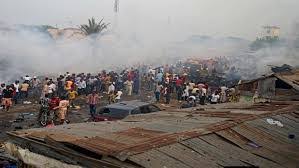
The Nigerian military has defended its recent airstrike on Jilli market along the Borno–Yobe border, insisting that the operation targeted a long-abandoned Boko Haram enclave and not civilian traders as alleged in some reports. The clarification follows growing controversy over casualties recorded during the strike, which occurred on Saturday, April 11, 2026.
According to the military’s statement under Operation Hadin Kai, the air operation was conducted after sustained intelligence, surveillance, and reconnaissance missions identified the Jilli axis as a movement corridor and logistics base for Boko Haram and ISWAP fighters. The military maintained that the strike was part of a broader counter-insurgency campaign responding to recent attacks in the region.
Officials further explained that the target area had been designated as a terrorist enclave and logistics hub, where insurgents were allegedly regrouping and coordinating movements. The military said aerial surveillance had detected motorcycles and vehicles converging in the area, which reinforced intelligence suggesting militant activity.
In its account, the military stated that the strike was carried out after what it described as a rigorous targeting process. It added that post-strike assessments indicated that the intended target was successfully hit and that “scores of terrorists were neutralised,” with several vehicles and operational equipment destroyed in the process.
However, the operation has sparked controversy due to reports of civilian casualties. Human rights groups, including Amnesty International, have alleged that more than 100 people may have been killed, including women and children, as residents had gathered for a weekly market at the time of the strike.
The Yobe State Government has also weighed in, supporting the military’s position that Jilli is a known Boko Haram stronghold located in neighbouring Borno State. Officials clarified that while the operation targeted insurgents, some civilians from nearby communities who had crossed into the market for trading activities were affected.
- Bournemouth Humiliate Manchester United 3-0 at Old Trafford as Carrick Faces Mounting Pressure
 Bournemouth delivered another painful blow to Manchester United on Sunday,…
- Tragedy in Kogi: Police Corporal Allegedly Kills Female Colleague, Takes Own Life After Reported Relationship Crisis
 A tragic shooting incident involving two serving police officers has…
State authorities added that many of the victims were residents of Geidam Local Government Area who routinely attend the cross-border market. They confirmed that injured persons have been evacuated to nearby hospitals for treatment, while emergency response teams continue assessments in the affected communities.
The incident has once again highlighted the complex security realities in Nigeria’s northeast, where military operations against Boko Haram and ISWAP frequently intersect with civilian movement in border communities. While authorities insist the strike achieved a strategic counter-terrorism objective, questions remain over intelligence accuracy and the protection of civilians in active conflict zones.