




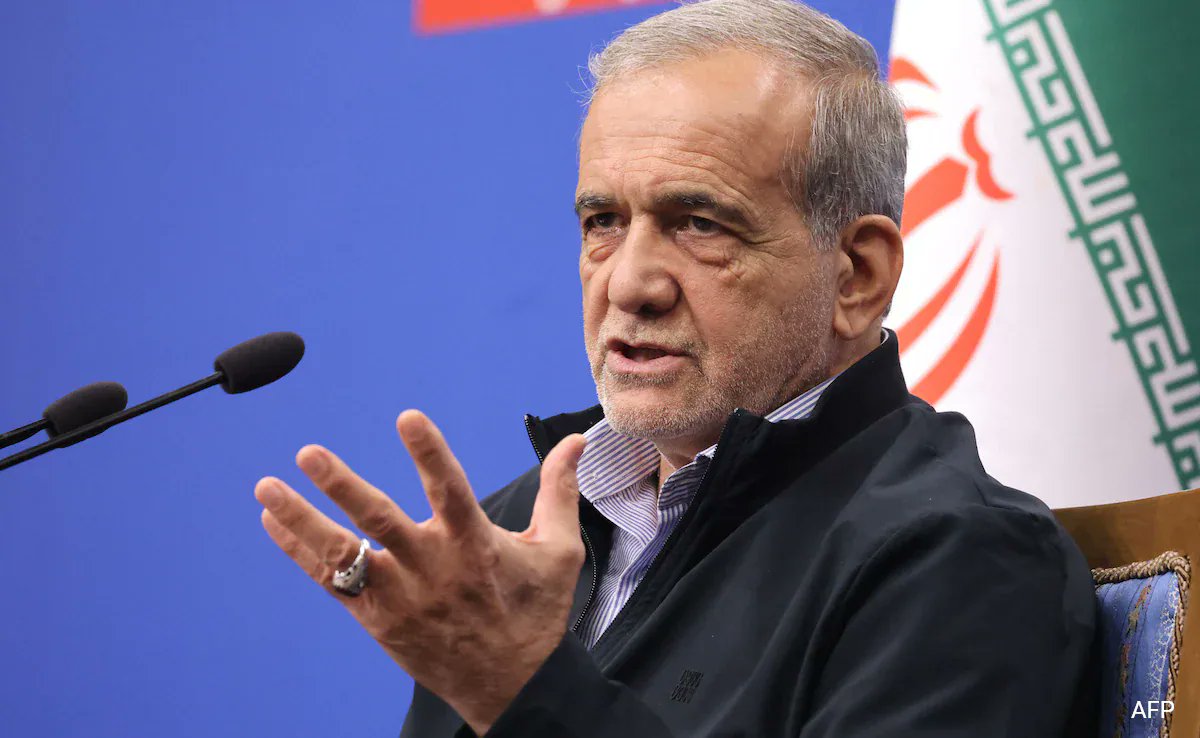
Iranian President Masoud Pezeshkian has declared that his country is facing what he described as a “full-scale” or “total” confrontation with the United States, Israel and European powers, reflecting the depth of Iran’s standoff with Western and regional rivals amid escalating tensions in the Middle East.
The remarks were made during an interview published on an official platform linked to Iran’s supreme leadership, where Pezeshkian portrayed recent military actions, economic sanctions and diplomatic pressure as interconnected elements of a broader campaign against Iran.
According to the Iranian leader, the challenges facing the country go beyond conventional warfare, encompassing economic restrictions, political isolation, intelligence operations and media influence, which he argued together amount to a comprehensive form of war.
Pezeshkian compared the current situation to the Iran-Iraq War of 1980–1988, noting that while that conflict was largely fought on the battlefield, the present confrontation is more complex and spans multiple fronts that directly affect Iran’s economy and internal stability.
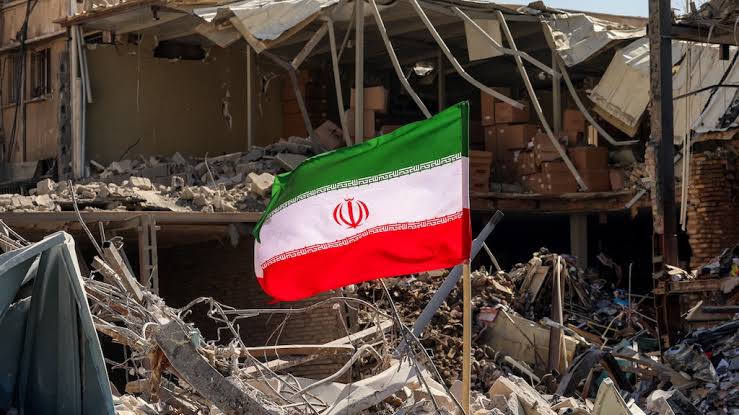
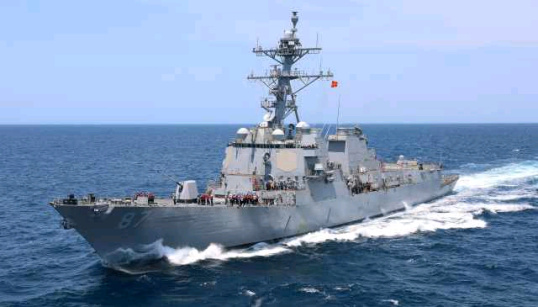
His comments come against the backdrop of months of heightened regional instability, including direct military exchanges involving Israel and Iran, as well as U.S. involvement in strikes on Iranian-linked targets during periods of intense escalation earlier in the year.
- Nigeria’s First Ebola Patient Identified as Wife of Swiss Diplomat as Authorities Probe Source of Infection
 Nigeria’s latest Ebola case has been traced to a 42-year-old…
- MURIC Seeks Police Probe into Alleged Killing of Man Inside Oyo Mosque
 The Muslim Rights Concern (MURIC) has petitioned the police over…
Read More “MURIC Seeks Police Probe into Alleged Killing of Man Inside Oyo Mosque” »
Iran has accused the United States and Israel of coordinating military pressure aimed at weakening Tehran’s strategic capabilities, particularly concerning its missile and nuclear programs, allegations both countries justify as measures to counter security threats.
European nations have also been drawn into the dispute, largely through their support for renewed sanctions and diplomatic pressure over Iran’s nuclear activities, moves Tehran sees as aligning Europe with U.S. and Israeli objectives.
Iran maintains that its nuclear program is strictly peaceful and conducted within its sovereign rights, while Western governments continue to express concern that Iran could develop nuclear weapons capability, a claim Iranian officials consistently deny.
The president’s statement coincided with renewed diplomatic activity between Washington and Tel Aviv, where Iran is expected to remain a central topic in discussions on Middle East security and future regional strategy.
Despite the strong rhetoric, analysts note that the declaration does not constitute a formal legal declaration of war, but rather reflects Iran’s political framing of sustained pressure as an existential struggle requiring national resilience.
Inside Iran, the ongoing tensions have been compounded by economic challenges, including inflation and currency weakness, which officials often attribute to sanctions and external hostility rather than domestic policy failures.
International observers say the language used by Tehran is intended both to rally domestic support and to signal resolve to foreign adversaries, while stopping short of announcing an immediate expansion of open military conflict.
As diplomatic channels remain strained and military posturing continues, the situation underscores the fragile state of relations between Iran and the West, with the risk of further escalation persisting amid unresolved disputes and deep mistrust on all sides.