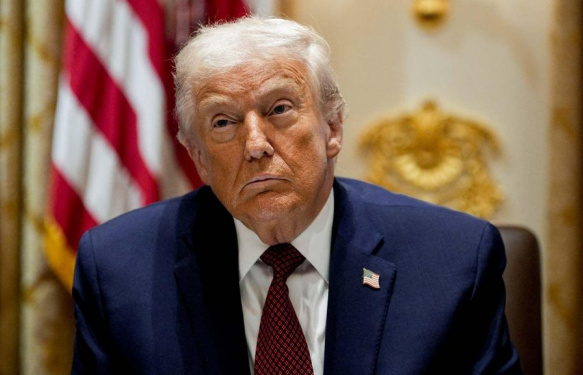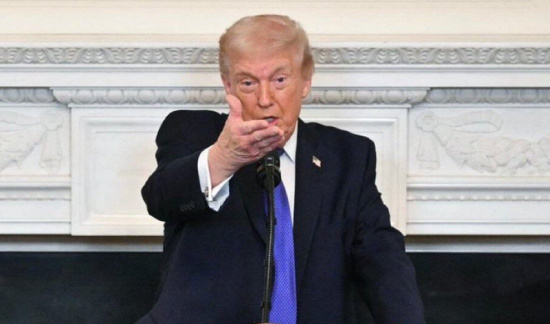




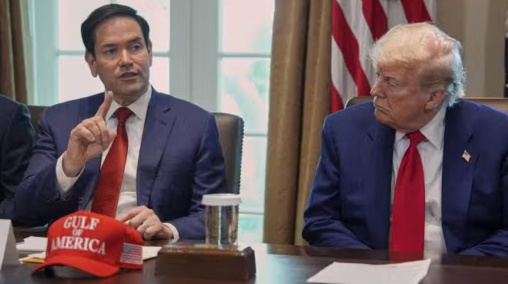
The administration of US President Donald Trump has announced a new international campaign targeting what it describes as the growing threat of far-left political violence and terrorism.
The initiative was unveiled on Thursday, July 16, during an international meeting hosted by Secretary of State Marco Rubio, with officials from more than 60 countries reportedly taking part.
According to the White House, the administration intends to treat violent far-left extremism with the same level of seriousness traditionally applied to jihadist terrorism. The move represents a significant shift in the US government’s counterterrorism priorities and seeks greater international cooperation against groups and networks accused of using violence for political purposes.
The Trump administration argues that extremist violence associated with the political left has received insufficient attention from governments and security agencies. Rubio said the US counterterrorism framework had developed a blind spot regarding politically motivated violence from the left and called for a stronger international response.
As part of the new strategy, the US State Department also announced a visa restriction policy targeting foreign nationals linked to groups identified by Washington as far-left terrorist or aligned organisations. The policy is aimed at individuals accused of financing, recruiting for, inciting, or providing logistical support to violent activities and networks.
The administration’s position has drawn criticism from some Democratic lawmakers and civil liberties advocates, who have raised concerns that counterterrorism powers could be politicised or applied too broadly against legitimate political dissent and peaceful protest.
Critics have also questioned whether the new focus could divert attention and resources from other established security threats. The US-based Center for Strategic and International Studies, in its 2026 terrorism assessment, described the country’s threat environment as increasingly complex, involving a range of formal organisations, loose networks and lone actors, with jihadist groups remaining a major threat in parts of Africa and the Middle East.
The administration, however, maintains that its new approach is directed at violent extremism rather than lawful political activity. It says the international campaign is intended to disrupt networks that organise or support politically motivated violence and to prevent such activities from escalating.
The initiative is expected to intensify international discussions over how governments define and respond to political extremism, while raising broader questions about the balance between counterterrorism measures, national security and the protection of legitimate political expression.
- Tinubu Flags Off $100m Southeast Gas Pipeline Project to Boost Industrial Growth
 President Bola Tinubu has flagged off a $100 million gas…
Read More “Tinubu Flags Off $100m Southeast Gas Pipeline Project to Boost Industrial Growth” »
- NCC Raises Alarm Over AI-Powered Cyberattacks, Warns of Threats to Telecoms, Banks and National Security
 The Nigerian Communications Commission (NCC) has warned that the growing…