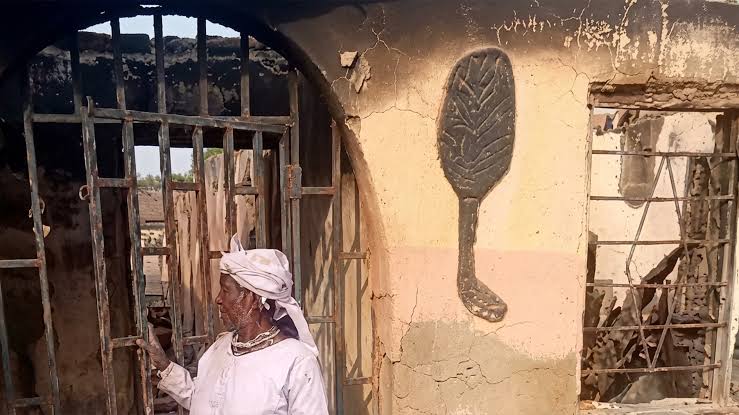

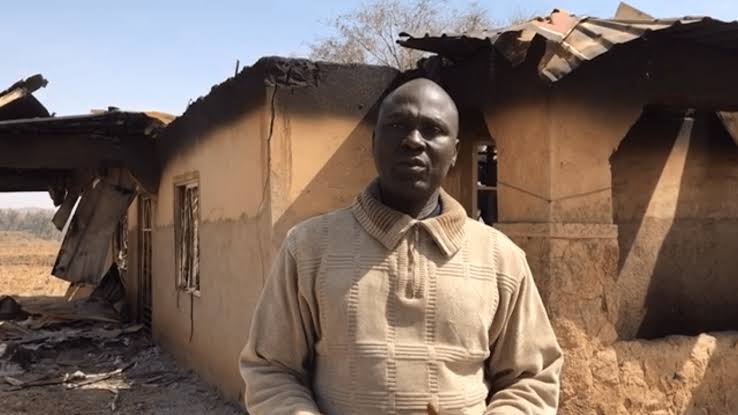
MAIYANGA VILLAGE, Bokkos LGA, PLATEAU STATE — In the quiet time before the festive season, this remote village became ground zero for violence the likes of which its residents say they had never seen. The night of 24 December 2024, meant for celebration, turned into a “mourning Christmas”, according to Rev. Yakubu Mutong of the Church of Christ in Nations (COCIN).
Pastor Mutong, whose church and home lie in Maiyanga, Bokkos Local Government Area, recounted the horrors. Bandits on the rampage murdered his seven brothers, slaughtered at least 150 church members and villagers, and burnt down his house, the church building and other properties.
He said the violence was part of a coordinated attack across more than 11 villages in the area. The death toll from that night alone is estimated at over 150 in Maiyanga and neighbouring villages.
“My name is Rev Yakubu Mutong… this is my village, Maiyanga… we are affected by this crisis,” he told reporters.
“From the records we collected, we have over 150 people who were killed in one day that is on the 24th of December.” He stood in front of his burnt down home and church, pointing out the ruin of what once was a peaceful community.
- Nigeria’s First Ebola Patient Identified as Wife of Swiss Diplomat as Authorities Probe Source of Infection
 Nigeria’s latest Ebola case has been traced to a 42-year-old…
- MURIC Seeks Police Probe into Alleged Killing of Man Inside Oyo Mosque
 The Muslim Rights Concern (MURIC) has petitioned the police over…
Read More “MURIC Seeks Police Probe into Alleged Killing of Man Inside Oyo Mosque” »
Pastor Mutong lost seven of his brothers in the attack. He described watching his house and church go up in flames, food-stores and furniture inside destroyed, while dozens of neighbours and congregants lay dead.
Many of the victims were said to be women, children or elderly, those least able to defend themselves. Homes, church buildings, farm produce and food stores were burnt. Survivors were left with no shelter, no livelihood, and deep trauma.
The attack did not occur in isolation. Plateau State’s Middle Belt region has long been marked by tension between largely Christian farming communities and nomadic herders, often of the Fulani ethnic group. Analysts say competition over land, grazing rights and resources has morphed into deadly violence.
According to one report, Christian-majority villages in the area suffered more than 160 deaths in coordinated attacks that included Maiyanga, on the same Christmas Eve period. The disruption of security, delayed response by authorities and the burning of villages have become frequent in the region.
For Pastor Mutong and his flock, the night of slaughter is not just a personal tragedy but an emblem of a community under siege. “What should have been a time of celebration turned into mourning,” he said. Survivors now face not just grief, but displacement, loss of their homes and livelihood, and uncertainty about the future. Local calls for government intervention, protection of vulnerable communities and prosecution of perpetrators are growing louder, yet many residents feel little has been done.