




President Bola Ahmed Tinubu has stepped decisively into the raging political crisis in Rivers State, effectively halting moves to impeach Governor Siminalayi Fubara and tilting the balance of power in favour of the embattled governor. The presidential intervention has calmed tensions, at least temporarily, and signaled Abuja’s preference for stability over prolonged political warfare in the oil-rich state.
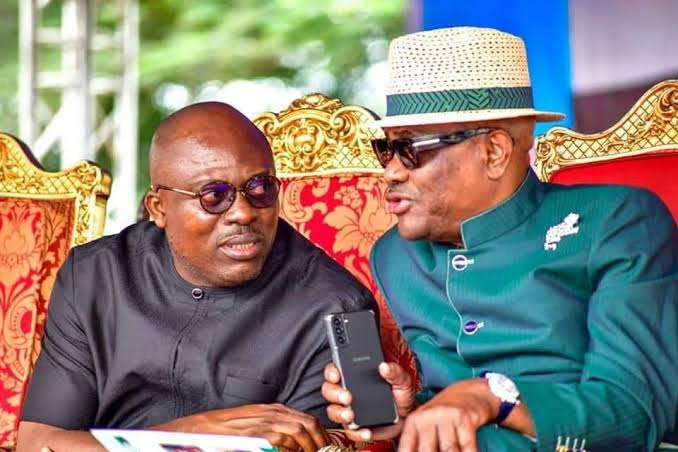
The intervention followed weeks of intense political maneuvering in Port Harcourt, where factions within the Rivers State House of Assembly, aligned with former governor and current FCT Minister Nyesom Wike, had initiated impeachment proceedings against Fubara over alleged misconduct and governance disputes. The development had raised fears of another prolonged constitutional crisis in the state.
Multiple political sources confirmed that President Tinubu personally directed that all impeachment actions against Governor Fubara be suspended, urging key actors to de-escalate hostilities and return focus to governance. The directive was reportedly issued shortly before the President embarked on an official foreign trip, underscoring the urgency attached to the matter.
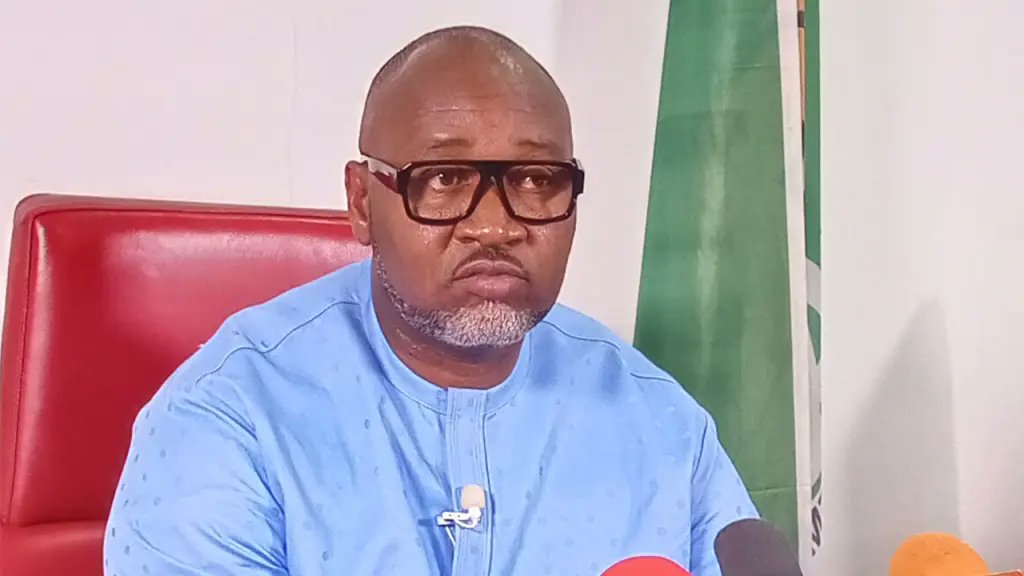
With Tinubu’s move, Governor Fubara emerges with renewed political leverage, as the impeachment process — his most serious threat since assuming office — has been effectively frozen. The decision has also reinforced Fubara’s legitimacy as the sitting governor, while weakening the immediate influence of pro-impeachment lawmakers.
The Rivers crisis has its roots in the fallout between Fubara and his political benefactor-turned-rival, Nyesom Wike. After taking office in May 2023, Fubara gradually asserted his independence, a shift that triggered resistance from lawmakers and political structures loyal to Wike, leading to repeated clashes between the executive and the legislature.
- Nigeria’s First Ebola Patient Identified as Wife of Swiss Diplomat as Authorities Probe Source of Infection
 Nigeria’s latest Ebola case has been traced to a 42-year-old…
- MURIC Seeks Police Probe into Alleged Killing of Man Inside Oyo Mosque
 The Muslim Rights Concern (MURIC) has petitioned the police over…
Read More “MURIC Seeks Police Probe into Alleged Killing of Man Inside Oyo Mosque” »
Tensions escalated further in early 2026 when impeachment threats resurfaced, reviving memories of earlier failed reconciliation efforts. The renewed push against Fubara raised concerns within national political circles about the impact of instability in Rivers State, a key economic and political hub.
Tinubu’s latest intervention is seen as a reset button rather than a final solution. While the President reportedly urged all sides to respect political hierarchy and party unity, he also emphasized the need for peace, warning that continued conflict could undermine governance and security in the Niger Delta region.
Political analysts say the move places Governor Fubara in a stronger negotiating position, allowing him room to consolidate authority and reassert control over state affairs. It also sends a clear signal that the presidency is unwilling to endorse a rapid impeachment that could inflame tensions ahead of future electoral contests.
Reactions across Rivers State have been mixed. Supporters of Fubara welcomed the development as a victory for democratic stability and the rule of law, while critics argue that the crisis exposes deeper structural issues within the state’s political system and the dominance of godfather-style politics.
Within the Rivers State House of Assembly, uncertainty now looms over the next steps. Although some lawmakers have insisted that the legislature retains its constitutional powers, the presidential directive has made any immediate impeachment move politically risky.
As the dust settles, attention turns to whether the fragile peace will hold or merely pause an ongoing power struggle. For now, however, the scales appear tipped in Governor Siminalayi Fubara’s favour, with presidential backing offering him breathing space and a clearer upper hand in Rivers State’s high-stakes political drama.