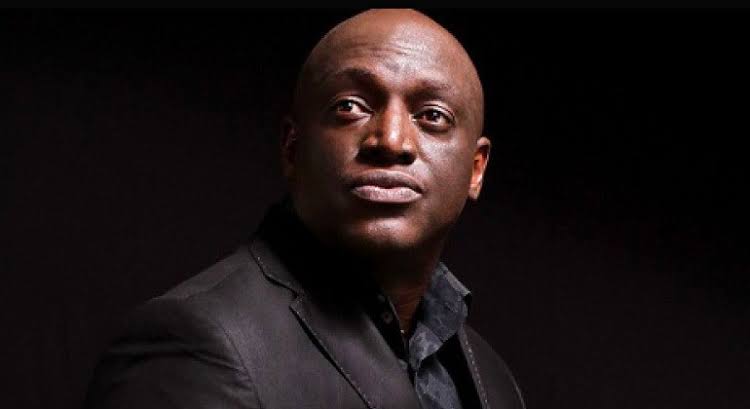


Human rights activist and former presidential candidate, Omoyele Sowore, has filed a ₦500 million lawsuit against the Nigeria Police Force, the Inspector General of Police, Kayode Egbetokun, and the Lagos State Commissioner of Police, Adegoke Fayoade, for allegedly violating his fundamental human rights by declaring him wanted. The legal action, instituted at the Federal High Court in Lagos, comes in response to what Sowore described as an unlawful and defamatory declaration made by the police without any lawful justification or due process.
In the suit, Sowore, who is also the publisher of Sahara Reporters, argued that the police’s public declaration of him as a “wanted person” amounted to an infringement of his constitutional rights to dignity, liberty, and freedom of movement as guaranteed under Sections 34, 35, and 41 of the 1999 Constitution of the Federal Republic of Nigeria (as amended). He described the police action as reckless, malicious, and politically motivated, insisting that it was designed to tarnish his reputation and silence his activism.
The activist explained that at no point was he invited by the police for questioning or served with any warrant of arrest before the declaration was made public. According to him, the statement by the Lagos Commissioner of Police falsely portrayed him as a fugitive or criminal suspect, which has subjected him to public ridicule, harassment, and psychological trauma. Sowore maintained that such a declaration without following lawful procedures was both unconstitutional and a direct abuse of power.
Through his counsel, the activist is asking the court to award ₦500 million in damages against the police authorities for the violation of his rights and for the reputational injury caused by the publication. He is also seeking a perpetual injunction restraining the respondents, their agents, or subordinates from further harassing, intimidating, or declaring him wanted in the future without a lawful court order or criminal charge.
- Bournemouth Humiliate Manchester United 3-0 at Old Trafford as Carrick Faces Mounting Pressure
 Bournemouth delivered another painful blow to Manchester United on Sunday,…
- Tragedy in Kogi: Police Corporal Allegedly Kills Female Colleague, Takes Own Life After Reported Relationship Crisis
 A tragic shooting incident involving two serving police officers has…
In addition, Sowore is praying the court to issue an interim injunction stopping the police from treating him as a fugitive pending the determination of the substantive suit. He is also asking the court for leave to serve the respondents through substituted means, citing the difficulty of directly serving the Inspector General and the Lagos Commissioner of Police.
The case has attracted significant public attention, with many Nigerians questioning the legality and motive behind the police declaration. Legal analysts have noted that the case could become a defining precedent for the protection of civil liberties and the boundaries of police authority in Nigeria. They argue that if the court upholds Sowore’s claims, it could strengthen citizens’ rights against arbitrary police actions and reinforce due process as a non-negotiable element of law enforcement.
Sowore’s legal team insists that the entire episode reflects a growing pattern of intolerance toward dissenting voices in the country. They warned that such acts of intimidation undermine democracy and the rule of law, especially when directed at individuals known for challenging government policies and demanding accountability. The activist, however, vowed not to be silenced, stating that his commitment to justice, good governance, and human rights remains unwavering.
On their part, the Nigeria Police Force has yet to officially respond to the lawsuit, though sources within the institution claim the “wanted” declaration was linked to Sowore’s involvement in a protest incident in Lagos. The activist, however, refuted the claim, insisting he was nowhere near the said protest scene and that the move was a deliberate smear attempt orchestrated to criminalize his activism.
The Federal High Court in Lagos is expected to fix a date for the hearing of the case in the coming days. Human rights organizations and civic groups across the country are already monitoring the development closely, describing it as a major test for judicial independence and the enforcement of constitutional freedoms in Nigeria.
If successful, the lawsuit could mark a major legal victory for civil society advocates and set a new standard for accountability among law enforcement agencies. Many observers believe the outcome of the case will have far-reaching implications for how the police handle public dissent, protests, and the constitutional rights of citizens in the years ahead.