



The United States House of Representatives has called on the Departments of State and Treasury to impose targeted sanctions on individuals and organisations, including the Miyetti Allah Cattle Breeders Association of Nigeria (MACBAN) and Miyetti Allah Kautal Hore (MAKH), over alleged violations of religious freedom in Nigeria. The resolution, introduced in early November 2025, reflects growing concern in Washington over persistent reports of violence and discrimination against religious groups, particularly in Nigeria’s Middle Belt and northern regions.
The House’s resolution, referenced as H.Res. 860, commends the designation of Nigeria as a “Country of Particular Concern” (CPC) under the International Religious Freedom Act of 1998 and urges the U.S. government to take firmer action against both state and non-state actors accused of perpetuating religious persecution. Lawmakers cited long-standing violence between herders and farmers, destruction of worship centres, and attacks on clergy as evidence of systemic and egregious violations. The proposed action would allow the United States to freeze assets and impose visa bans on individuals and entities deemed complicit.
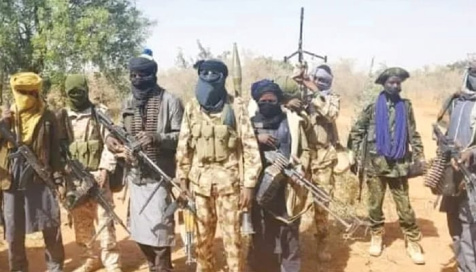
According to the sponsors of the resolution, the move is aimed at reinforcing the United States’ commitment to protecting global religious freedoms and ensuring that perpetrators of such abuses do not benefit from financial or diplomatic ties with America. They argue that groups like Miyetti Allah Cattle Breeders Association and its affiliate, Miyetti Allah Kautal Hore, have been repeatedly linked to violence against Christian communities, though the groups have consistently denied these allegations.
This legislative push follows earlier efforts by U.S. Senator Ted Cruz and other lawmakers who have urged the White House to take a stronger stance on Nigeria’s religious-freedom crisis. In previous congressional hearings, members of the U.S. Commission on International Religious Freedom (USCIRF) had criticised the decision to remove Nigeria from the CPC list in 2021, citing ongoing attacks that often target Christians and minority religious groups. The current resolution signals a renewed bipartisan determination to revisit those concerns.
- Bournemouth Humiliate Manchester United 3-0 at Old Trafford as Carrick Faces Mounting Pressure
 Bournemouth delivered another painful blow to Manchester United on Sunday,…
- Tragedy in Kogi: Police Corporal Allegedly Kills Female Colleague, Takes Own Life After Reported Relationship Crisis
 A tragic shooting incident involving two serving police officers has…
If approved, the proposed sanctions could have far-reaching implications for Nigeria-U.S. relations. The measures would not only affect individuals but could also influence U.S. foreign assistance, security cooperation, and trade relations with Nigeria. Analysts say the development underscores America’s readiness to hold local and non-state actors accountable for human-rights violations, regardless of political or diplomatic sensitivities.
The Nigerian government has, however, rejected claims that it condones or ignores religious persecution. Officials insist that the country’s conflicts are largely socio-economic and ethnic rather than religious, noting that both Christians and Muslims have suffered casualties in communal and terrorist attacks. Nigeria’s Minister of Information recently described the U.S. allegations as “unfair and based on incomplete data,” while reaffirming the government’s commitment to safeguarding all citizens’ rights and freedoms.
Miyetti Allah, one of the most influential herders’ associations in Nigeria, has also distanced itself from accusations of sponsoring or condoning violence. Its leaders argue that herder-farmer conflicts stem from competition over land and resources, not religious motives. They further claim that certain political actors and interest groups are using international platforms to unfairly label them as extremists. Despite these denials, international observers maintain that accountability remains weak in Nigeria’s conflict zones.
Human-rights organisations in both the U.S. and Nigeria have welcomed the congressional resolution, saying it could pressure authorities to act more decisively. Christian advocacy groups such as Open Doors USA and the International Christian Concern (ICC) have repeatedly listed Nigeria among the world’s most dangerous countries for believers, citing thousands of deaths linked to sectarian violence in recent years. They argue that sanctions may deter further abuses and push the Nigerian government toward more proactive conflict resolution.
At the same time, foreign-policy experts warn that the U.S. must tread carefully to avoid escalating diplomatic tensions or undermining Nigeria’s sovereignty. They emphasise the need for collaboration rather than confrontation, encouraging Washington to engage Abuja through dialogue, capacity-building, and humanitarian support. Sanctions, if imposed, could strain cooperation in critical areas like counter-terrorism, trade, and regional stability in West Africa.
The U.S. House’s move represents a pivotal moment in international advocacy for religious freedom and accountability. As lawmakers push for sanctions against entities like Miyetti Allah Cattle Breeders Association and Miyetti Allah Kautal Hore, Nigeria faces mounting pressure to demonstrate transparency, fairness, and equal protection for all faiths. Whether the government responds through reforms or resistance, the development marks a turning point in how the global community views Nigeria’s handling of religious and communal violence.