



Fresh cracks have emerged within Nigeria’s opposition ranks ahead of the 2027 general elections, as influential blocs within the Peoples Democratic Party (PDP) and the African Democratic Congress (ADC) have openly rejected a proposed joint presidential ticket.
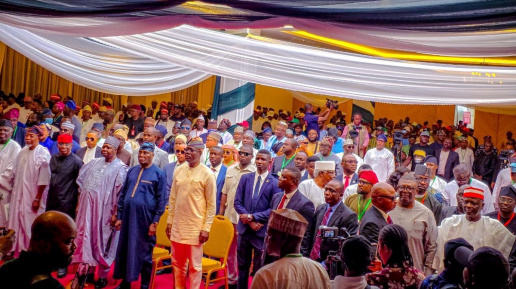
The controversy follows a high-profile opposition summit held in Ibadan, where some political leaders reportedly agreed to present a single presidential candidate to challenge President Bola Tinubu in 2027. However, multiple factions across key opposition parties have swiftly distanced themselves from the meeting and its resolutions.
In coordinated reactions, factions within the PDP, ADC, Labour Party, and Accord Party insisted that the Ibadan gathering did not reflect their official positions. They reaffirmed their commitment to fielding independent presidential candidates rather than collapsing into a unified ticket.
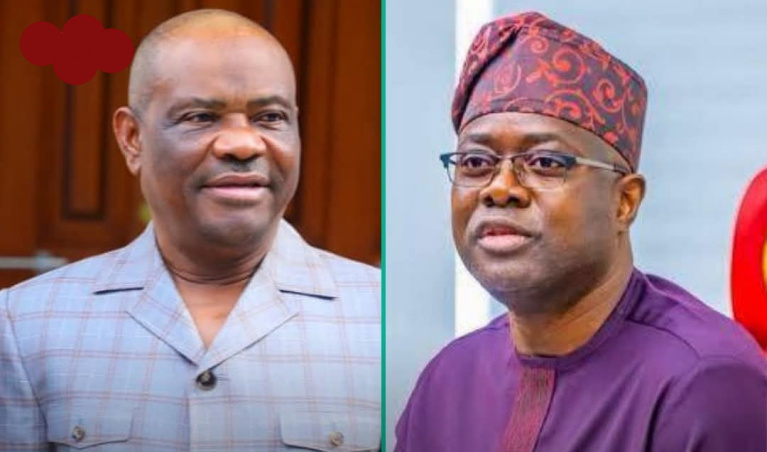
A PDP bloc aligned with Federal Capital Territory Minister Nyesom Wike reportedly dismissed the summit as illegitimate, alleging that prominent opposition figures who attended—including Atiku Abubakar, David Mark, Rabiu Kwankwaso, and Peter Obi—were misled by individuals they described as “impostors.”
Similarly, factions within the ADC rejected any association with the proposed coalition, stressing that the party would independently present candidates for all elective positions. Leaders within the party emphasized that ADC, as an established political platform, would not subordinate its ambitions to what they consider an unclear or unauthorized alliance.
The Labour Party also clarified that it neither participated in the Ibadan meeting nor endorsed the idea of a joint ticket, noting that its immediate focus remains internal consolidation ahead of future electoral engagements.
Adding to the pushback, the Accord Party warned that it could pursue legal action over what it described as the unauthorized use of its name and symbols at the summit, describing the development as a case of political misrepresentation rather than mere misunderstanding.
- Tinubu Flags Off $100m Southeast Gas Pipeline Project to Boost Industrial Growth
 President Bola Tinubu has flagged off a $100 million gas…
Read More “Tinubu Flags Off $100m Southeast Gas Pipeline Project to Boost Industrial Growth” »
- NCC Raises Alarm Over AI-Powered Cyberattacks, Warns of Threats to Telecoms, Banks and National Security
 The Nigerian Communications Commission (NCC) has warned that the growing…
The unfolding dispute underscores the persistent fragmentation within Nigeria’s opposition landscape, despite ongoing calls for unity to mount a formidable challenge against the ruling All Progressives Congress (APC). Analysts note that without a coherent coalition strategy, opposition parties may struggle to consolidate votes in what is expected to be a highly competitive 2027 presidential race.
For now, the rejection of a joint presidential ticket signals that negotiations for a united opposition front remain unresolved, with party loyalties, leadership tussles, and strategic differences continuing to shape the road to 2027.