




Promises faded. Funding lagged. And now, Lassa fever is killing more Nigerians than ever before.
When the Nigeria Centre for Disease Control (NCDC) declared Lassa fever a public health emergency on January 22, 2019, it was meant to be a turning point—a signal that the country was ready to confront a deadly but neglected disease.
Instead, six years on, the crisis has deepened.
Despite hopes that the emergency classification would marshal decisive national action, recent data shows Lassa fever is not only still with us—it’s killing more people, spreading faster, and exposing the country’s persistent public health vulnerabilities.
From Emergency to Epidemic
In just the first half of 2025, Nigeria recorded 766 confirmed cases and 145 deaths across 18 states—a case fatality rate of 18.9%, up from 17.6% during the same period in 2024. These figures, released by the NCDC, reflect a worsening pattern rather than improvement.
In the first quarter alone, 645 confirmed cases and 118 deaths were reported across 91 local government areas in 33 states.
- Bournemouth Humiliate Manchester United 3-0 at Old Trafford as Carrick Faces Mounting Pressure
 Bournemouth delivered another painful blow to Manchester United on Sunday,…
- Tragedy in Kogi: Police Corporal Allegedly Kills Female Colleague, Takes Own Life After Reported Relationship Crisis
 A tragic shooting incident involving two serving police officers has…
But beyond routine press statements and temporary containment measures, systemic solutions remain elusive. Six years after the emergency tag, what should have been a robust, data-driven national strategy has devolved into fragmented responses, underfunded surveillance, and recurring tragedy.
A Seasonal Killer, Poorly Contained
Lassa fever has entrenched itself as an annual epidemic, peaking during Nigeria’s dry season—typically from November to April. Its recurrence is as predictable as it is deadly.
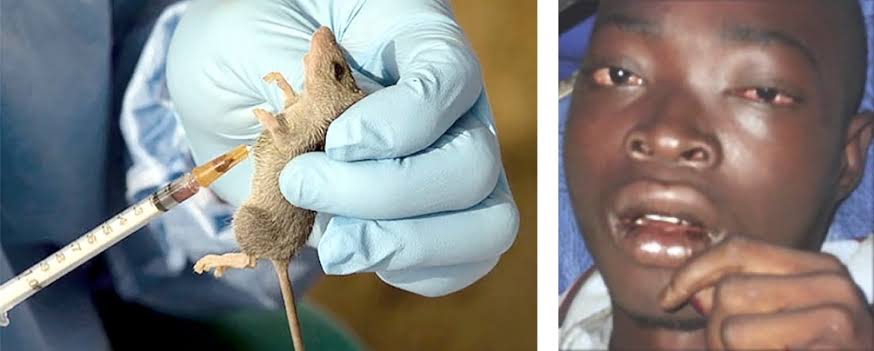
Originating from contact with the urine or feces of the multimammate rat—the virus’ natural host—Lassa fever spreads easily, both from rodents and human-to-human contact. Early symptoms mimic malaria: fever, headache, fatigue. In severe cases, the disease causes internal bleeding, vomiting, and death.
But despite this grim profile, Lassa fever has never quite captured the national urgency it deserves.
Same States, Same Scars
A few states remain chronically hit, year after year. Ondo, Edo, Bauchi, Taraba, and Ebonyi account for more than 70% of Nigeria’s Lassa fever cases. In these hotspots, a cocktail of ecological factors, poor sanitation, weak health infrastructure, and minimal government presence create the perfect breeding ground for annual outbreaks.
Instead of long-term interventions, many local health workers are left to manage the epidemic with limited tools, overstretched facilities, and delayed funding. Surveillance remains weak. Diagnostics are often late. And by the time action is taken, the virus has already spread—and lives have been lost.
A Healthcare System Under Strain
Health experts are alarmed by the rising fatality rate, viewing it as both a sign of an unchecked epidemic and a healthcare system under siege.
They warn that delays in diagnosis, absence of rapid testing centers, poor treatment protocols, and lack of funding for rural hospitals are compounding the crisis. With each wave of infections, the response remains reactive—rarely proactive.
Some experts now fear the country is growing desensitized to the disease’s toll, treating Lassa fever outbreaks as routine rather than preventable.
An Avoidable Tragedy
In 1969, Lassa fever was first identified in Nigeria. More than 50 years later, the virus continues to claim lives—needlessly.
While other countries have made progress against similar viral diseases, Nigeria’s Lassa fever trajectory underscores a deeper issue: public health is still not a national priority until it becomes a national emergency.
Without deliberate investment in public education, improved sanitation, rural health infrastructure, and sustained funding, Lassa fever will remain a seasonal killer. And Nigeria will continue to count its dead.