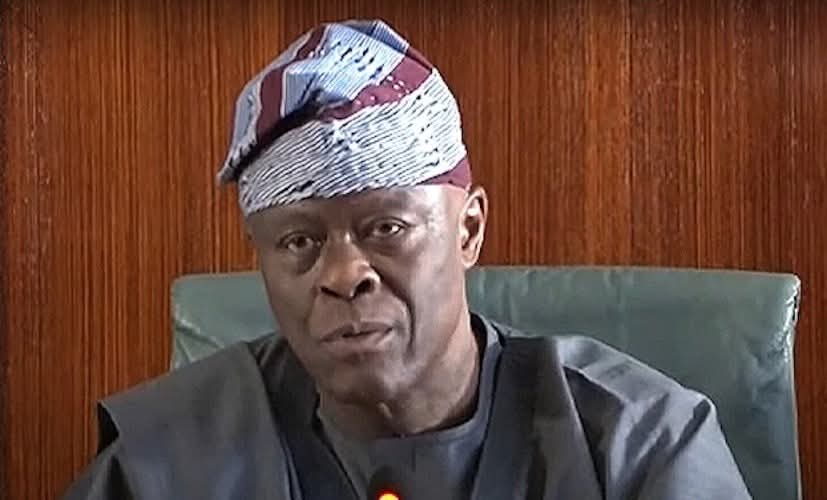


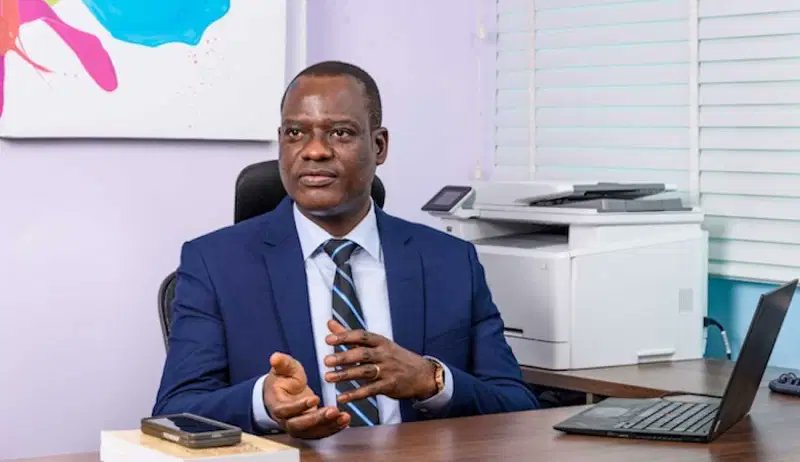
In what could become one of the most significant fiscal overhauls in Nigeria’s history, the Chairman of the Presidential Committee on Fiscal Policy and Tax Reforms, Dr. Taiwo Oyedele, has announced that an overwhelming 98 percent of Nigerians will experience either a sharp drop in personal income tax or total exemption beginning January 2026.
Speaking at the 31st Nigerian Economic Summit (NES31) in Abuja, Oyedele explained that the new tax framework is designed to ease the financial pressure on ordinary Nigerians while ensuring that high-income earners and large corporations bear a fairer share of the tax burden.
According to him, under the new system, about one-third of all workers across both public and private sectors will pay no Pay-As-You-Earn (PAYE) tax at all. A majority of others, roughly 65 percent will see their rates drastically reduced, leaving only about 2 percent of top earners to shoulder a slightly higher tax load.
“For 97 to 98 percent of Nigerians, they will either no longer pay PAYE, or they will pay far less,” Oyedele stated, emphasizing that the plan targets equity and economic empowerment rather than punishment.
He explained that the reform was guided by national poverty data, noting that a typical Nigerian household of five should earn between ₦100,000 and ₦120,000 per person monthly to stay above the poverty line. Workers earning below that threshold, he said, should not be taxed into deeper hardship.
For years, Nigeria’s tax system has been criticized as regressive, imposing levies even on citizens earning the minimum wage of ₦30,000 per month. The new proposal, according to Oyedele, seeks to end that imbalance and make taxation more humane, transparent, and efficient.
- Nigeria’s First Ebola Patient Identified as Wife of Swiss Diplomat as Authorities Probe Source of Infection
 Nigeria’s latest Ebola case has been traced to a 42-year-old…
- MURIC Seeks Police Probe into Alleged Killing of Man Inside Oyo Mosque
 The Muslim Rights Concern (MURIC) has petitioned the police over…
Read More “MURIC Seeks Police Probe into Alleged Killing of Man Inside Oyo Mosque” »
The 2026 reforms are part of a broader restructuring that includes the recently passed Nigeria Tax Act, Nigeria Tax Administration Act, Nigeria Revenue Service Act, and Joint Revenue Board Act. These laws will guide both federal and state tax operations in the years ahead.
Beyond personal income tax, the package also introduces a reduction in corporate tax rates from 30 percent to 25 percent to encourage business growth and job creation.
Companies with annual turnover below ₦100 million will be fully exempt from corporate tax, while small-scale entrepreneurs will enjoy simplified filing systems.
Oyedele added that capital gains tax will now be aligned with a taxpayer’s income status. This means that anyone exempted from PAYE will automatically pay zero capital gains tax, eliminating a long-standing contradiction in the system.
However, the sweeping reforms are not without challenges. Economists warn that state governments may experience temporary revenue shortfalls, since PAYE is a major component of their internally generated revenue. There are also concerns about implementation capacity, as the transition will require advanced data systems and taxpayer classification tools.
Despite these hurdles, Oyedele remains optimistic. He insists that the reform will expand Nigeria’s tax net, attract informal businesses into the formal economy, and ultimately generate sustainable revenue growth through fairness and compliance, not force.
The rollout of the new tax regime has been scheduled for January 2026, following necessary gazettes and administrative alignments. Analysts believe that if executed faithfully, it could redefine Nigeria’s fiscal landscape, stimulate productivity, and relieve millions of workers already burdened by high living costs and inflation.
For now, the message is clear, the era of squeezing the poor to fund the system may soon be over. As Oyedele put it, Nigeria’s new tax law is about “prosperity with fairness” where those who have less will keep more, and those who earn more will give a bit extra to keep the nation running.