

The United States government has frozen the assets and blocked financial interests of eight Nigerian individuals, accusing them of alleged links to extremist groups and cyber-enabled criminal activity in one of the latest global sanctions actions by Washington. The move, announced in an updated sanctions list by the U.S. Department of the Treasury’s Office of Foreign Assets Control (OFAC), underscores continued U.S. efforts to disrupt terror financing and cyber threats with international reach.
The designations appeared in a document dated February 10, 2026, released publicly as part of OFAC’s “Specially Designated Nationals and Blocked Persons List” (SDN List), a catalogue of individuals and entities whose property interests are blocked under U.S. sanctions law. The list now exceeds 3,000 pages and is meant to provide formal notice of actions taken under various sanctions authorities.
Under the sanctions, all property and interests in property belonging to the designated Nigerians that fall within U.S. jurisdiction are blocked. U.S. persons and entities are generally prohibited from engaging in transactions or financial dealings with them, further isolating these individuals from the U.S. and global financial systems.
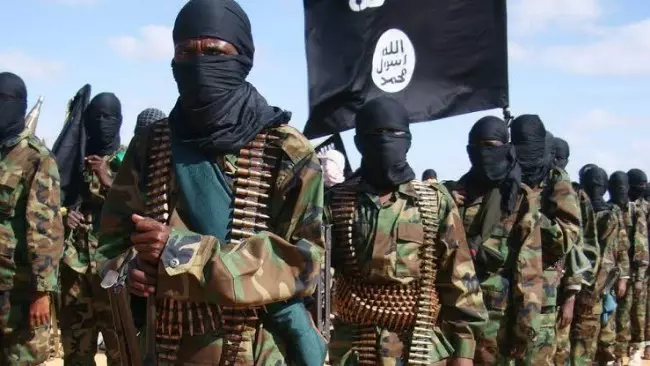
The action was taken under Executive Order 13224, a counter-terrorism authority that allows the U.S. government to target individuals who provide support to terrorism or who engage in activities that pose a threat to U.S. national security or foreign policy interests. Boko Haram has been designated a foreign terrorist organisation by the United States since 2013.
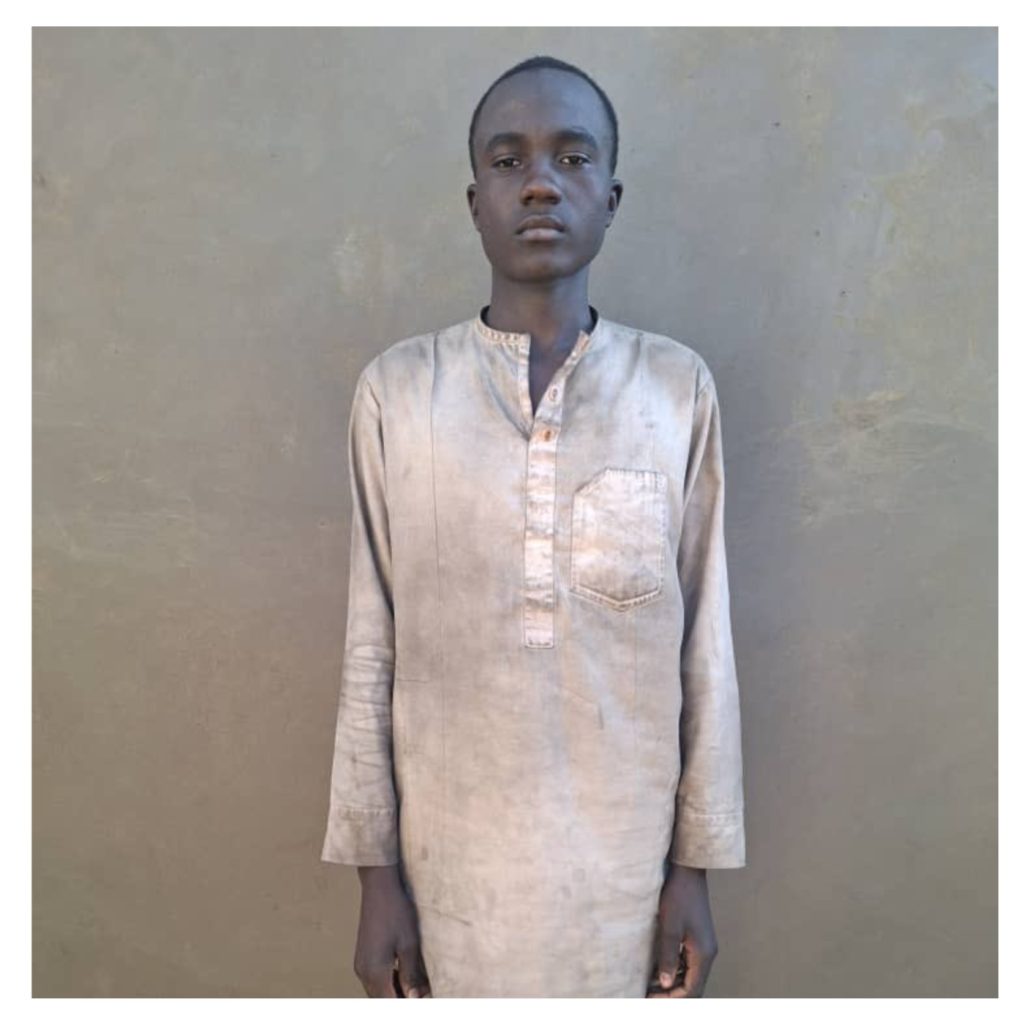
Among the eight Nigerians named was Salih Yusuf Adamu, also known as Salihu Yusuf, who was previously convicted in the United Arab Emirates in 2022 for attempting to transfer US$782,000 from Dubai to Nigeria to support Boko Haram insurgents.
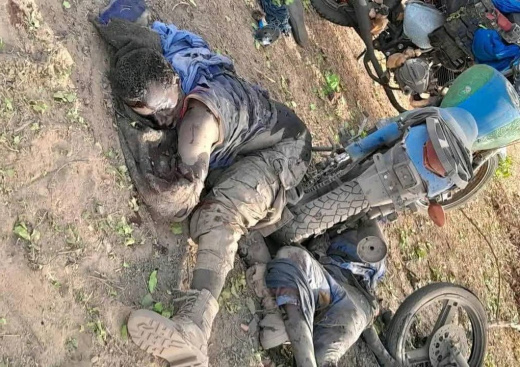
The list also includes several individuals linked by U.S. authorities to Boko Haram leadership: Abu Abdullah ibn Umar Al-Barnawi (also known as Ba Idrisa), Abu Musab Al-Barnawi (Habib Yusuf), and Khaled Al-Barnawi (Abu Hafsat), all described as having roles in extremist operations.
- EFCC Raids Four Illegal Lithium Plants in Ogun, Arrests 14 Chinese Nationals and Nigerian
 The Economic and Financial Crimes Commission (EFCC) has arrested 15…
- 2027 Elections: OK Movement Faults NDC’s Late Campaign Preparations, Questions Grassroots Strength
 The Obi-Kwankwaso (OK) Movement has criticised the Nigeria Democratic Congress…
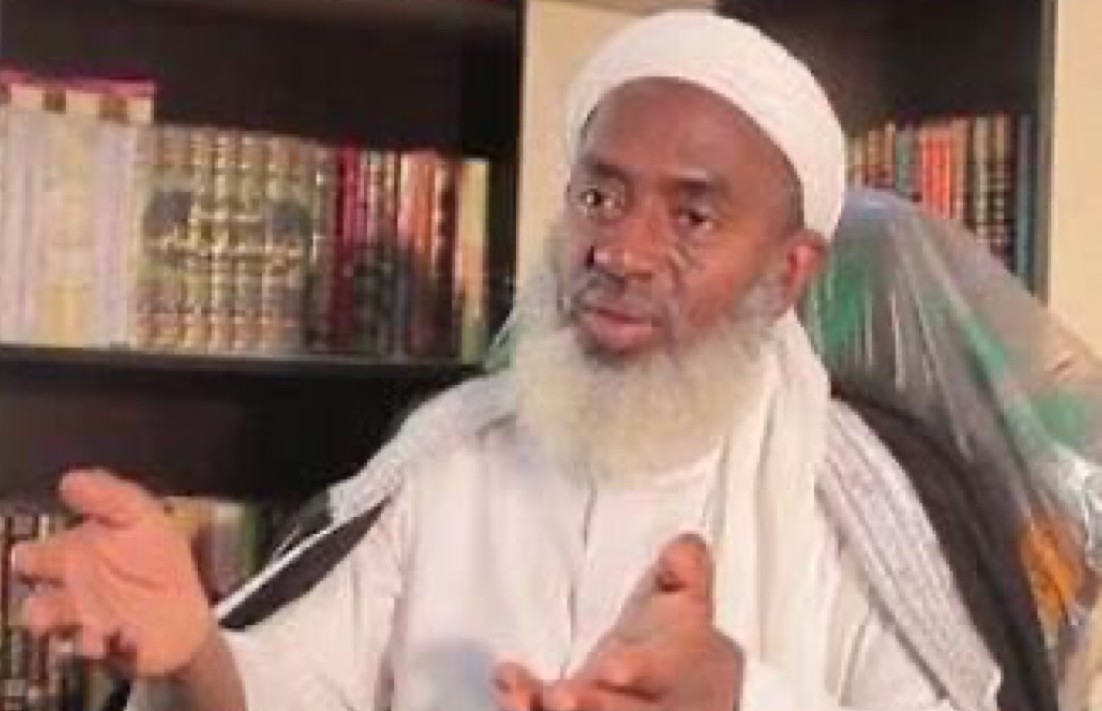
In addition, Ibrahim Ali Alhassan, reported to reside in Abu Dhabi, United Arab Emirates, was identified with alleged ties to Boko Haram activities. Abu Bakr ibn Muhammad ibn Ali Al-Mainuki — known as Abu-Bilal Al-Minuki — was named for alleged connections to the Islamic State of Iraq and the Levant (ISIL).
One of the designations reflects a different sanction category: Nnamdi Orson Benson, identified under the CYBER2 sanctions, which target individuals involved in significant cybercrime or cyber-enabled malicious activity.
Washington’s action comes amid heightened scrutiny by U.S. lawmakers of security challenges in Nigeria and the broader region, including recommendations from members of the U.S. Congress for visa bans and asset freezes on other individuals and groups accused of rights violations. Although separate from the latest OFAC designations, these congressional pressures add context to the evolving U.S.–Nigeria security dialogue.
The sanctions on the eight Nigerians reflect a broader strategy by the United States to leverage financial and legal tools to counter terrorism financing networks and cyber-enabled threats, and signal that individuals identified as facilitators of violence or crime may face significant restrictions on their international financial activities.