




In Cairo and at the United Nations(U.N.), talks about a possible , ceasefire between Israel and Hamas over the war in the Gaza Strip are making slow or no progress, as negotiators struggled to come up with plans for pausing the fighting, freeing hostages and speeding up help for Gazans.
A total cease-fire, without preconditions, would be unacceptable for Israel, since it would allow Hamas to remain in control of parts of Gaza.
Israel had vowed to topple the group after it launched the devastating Oct. 7 attack in which, the Israelis say, some 1,200 people were killed and about 240 abducted.
- Three Commercial Vessels Hit by Unknown Projectiles in Strait of Hormuz as Shipping Risks Escalate
 Three commercial vessels, including a crude oil tanker and a…
- Iran unveils 7-day roadmap to reopen Strait of Hormuz amid renewed US diplomatic pushIran has proposed a seven-day roadmap aimed at ending hostilities…
Read More “Iran unveils 7-day roadmap to reopen Strait of Hormuz amid renewed US diplomatic push” »
At the same time, pressure is mounting on Israel to stop its fierce military campaign in Gaza, where about 20,000 people have been killed according to health authorities.

Israel is also under pressure to allow more desperately needed aid into the devastated enclave.
Aid inspections have become a particular sticking point. The U.A.E. and Egypt say the current system is too cumbersome and have called for a U.N. inspection system that would leave Israel with no role in searching cargo entering Gaza — something Israel has urged the U.S. to reject.
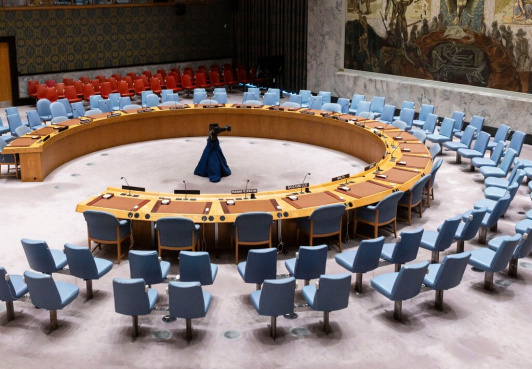
At the U.N. a planned resolution would call for extended pauses in the war, to allow more aid into Gaza by land, air and sea, and urge the immediate release of all the hostages being held by Hamas.
Council members have been fielding multiple last-minute requests by the Biden administration, and the U.S. vetoed two previous cease-fire resolutions.