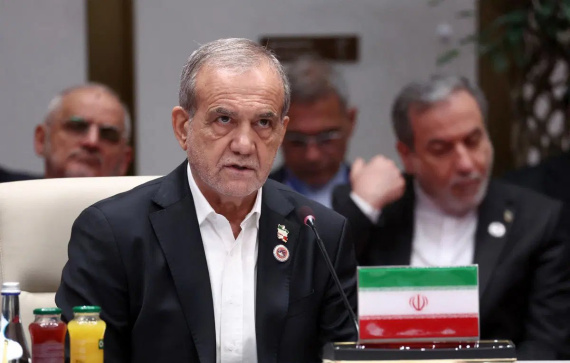





Iran has proposed a seven-day roadmap aimed at ending hostilities with the United States, reopening the strategically important Strait of Hormuz and restarting comprehensive negotiations over Tehran’s nuclear programme, Iranian Foreign Minister Abbas Araghchi has disclosed.
Araghchi announced the proposal on Thursday, September 24, while speaking to reporters on the sidelines of the United Nations General Assembly in New York. He said Tehran had transmitted the plan to Washington through intermediaries as diplomatic contacts between the two sides intensified.
Under the proposal, the Strait of Hormuz would be reopened at the end of the seventh day, provided specified conditions are met. Araghchi said negotiations between Iran and the United States would also resume as part of the proposed process.
The Iranian foreign minister indicated that the plan would require an end to hostilities across the region, including fighting involving Lebanon. Reports on the proposal further indicate that Tehran is seeking relief from US economic and military pressure as part of the arrangement.
Among the reported conditions are the lifting of US restrictions on Iranian oil exports, the release of frozen Iranian assets estimated at more than $12 billion and an end to the US naval blockade. Iran would then move to reopen the waterway on the seventh day of implementation.
Araghchi said Iran would be prepared to begin implementing the roadmap immediately if Washington accepts the proposal. He also described the initiative as being based on commitments previously discussed by the two countries in a June memorandum of understanding.
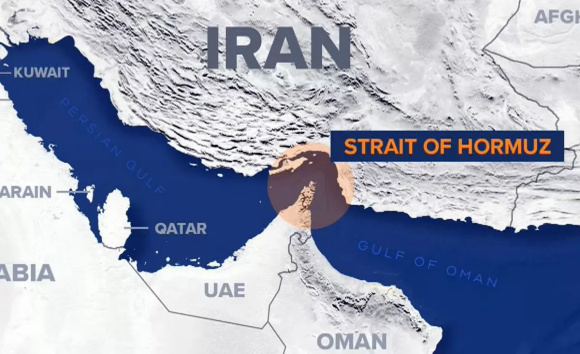
The Strait of Hormuz has become a major point of contention in the conflict because of its importance to international energy and shipping markets. Before the current conflict, the narrow waterway between Iran and Oman carried roughly one-fifth of global oil flows, making disruptions there a major concern for energy-importing countries.
The proposal comes amid renewed indirect contacts between Tehran and Washington during the UN General Assembly. Reuters reported that negotiators were exploring a phased arrangement under which Iran would reopen the strait while the United States eased its economic pressure and blockade.
However, there is no indication that Washington has accepted Tehran’s seven-day roadmap. The two governments remain divided over the conditions for ending the conflict and the future of Iran’s nuclear programme, while officials on both sides continue to use diplomacy alongside strong public statements.
The latest proposal therefore places the reopening of the Strait of Hormuz within a broader diplomatic framework involving a cessation of hostilities, economic concessions and renewed nuclear negotiations. Its implementation would depend on agreement between the parties and fulfillment of the conditions outlined by Tehran.
- Bournemouth Humiliate Manchester United 3-0 at Old Trafford as Carrick Faces Mounting Pressure
 Bournemouth delivered another painful blow to Manchester United on Sunday,…
- Tragedy in Kogi: Police Corporal Allegedly Kills Female Colleague, Takes Own Life After Reported Relationship Crisis
 A tragic shooting incident involving two serving police officers has…