


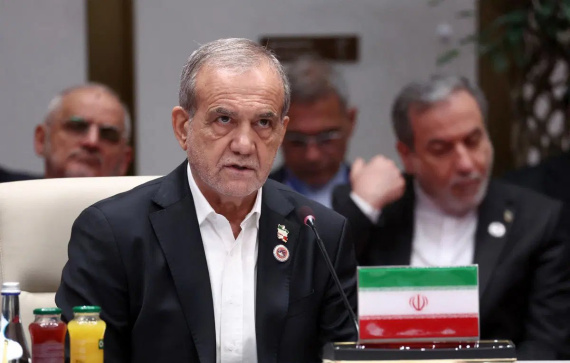
The Embassy of the Islamic Republic of Iran in Abuja has called on the United Nations, governments and the wider international community to speak out against what Tehran described as continued US military attacks on Iranian territory and the killing of civilians.
The embassy made the appeal in a statement issued on Friday, September 4, following what it said were US attacks carried out on August 30 and renewed strikes on September 1 in several parts of Iran.
According to the Iranian diplomatic mission, the attacks amounted to a violation of the country’s sovereignty and territorial integrity. It described the reported military action as an act of aggression against an independent state.
Iran also maintained that it did not initiate the conflict and invoked Article 51 of the United Nations Charter, which recognises the inherent right of states to individual or collective self-defence in the event of an armed attack.
The embassy said Iran’s military response was intended to halt the attacks, protect its population and territory, and prevent further strikes. It maintained that Tehran would continue to defend its security and territorial integrity.
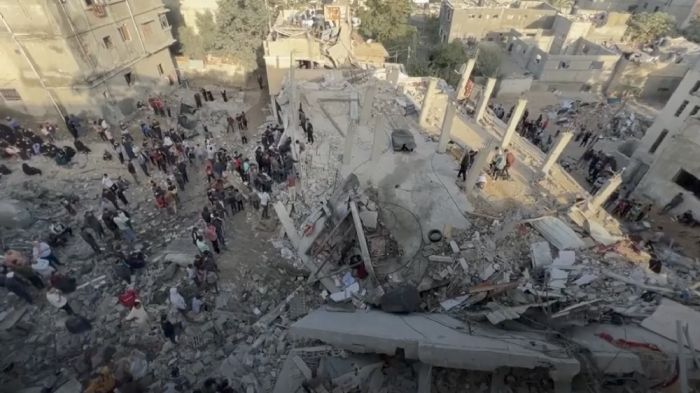
Civilian casualties featured prominently in the Iranian government’s appeal. The embassy said civilians had been among the major victims, particularly in southern Iran, as fighting between the two sides continues.
It specifically cited a September 1 attack that affected a wedding ceremony in Bandar Kuhestak, Sirik County. The embassy said 68 people attending the ceremony were killed or injured, describing the incident as a devastating tragedy for families gathered for the celebration.
The Iranian statement also referred to an earlier attack on Shajareh Tayyebeh School in Minab, alleging that a large number of Iranian children were killed. These casualty claims were presented by the Iranian embassy as part of its case for greater international scrutiny of the military campaign.
Tehran further accused Washington of advancing different explanations to justify its military actions. The embassy rejected those explanations and urged the international community to apply international law consistently to all countries while strengthening protections for civilians.
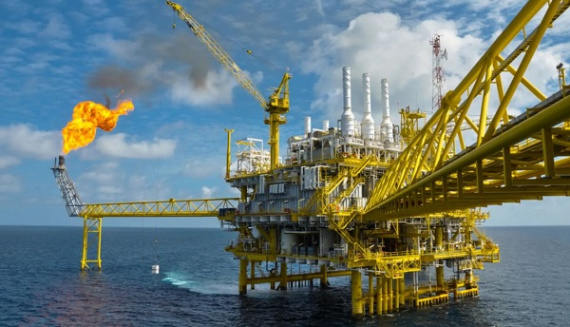
The appeal comes as the US-Iran conflict continues to fuel wider instability across the Middle East, with the confrontation also affecting energy markets and raising concerns about the security of vital regional trade routes. Iran’s latest diplomatic appeal therefore puts renewed pressure on the UN and world governments to respond to the escalating military confrontation.
- Tottenham Stun Chelsea at Stamford Bridge as Palmer Sees Red and Maddison Suffers Fresh Injury Blow
 Tottenham Hotspur delivered a statement victory over London rivals Chelsea…
- AFCOM-HS: New Military Medical College Listed on JAMB Portal for 2026/2027 Admission
 The Armed Forces College of Medicine and Health Sciences (AFCOM-HS),…
Read More “AFCOM-HS: New Military Medical College Listed on JAMB Portal for 2026/2027 Admission” »