




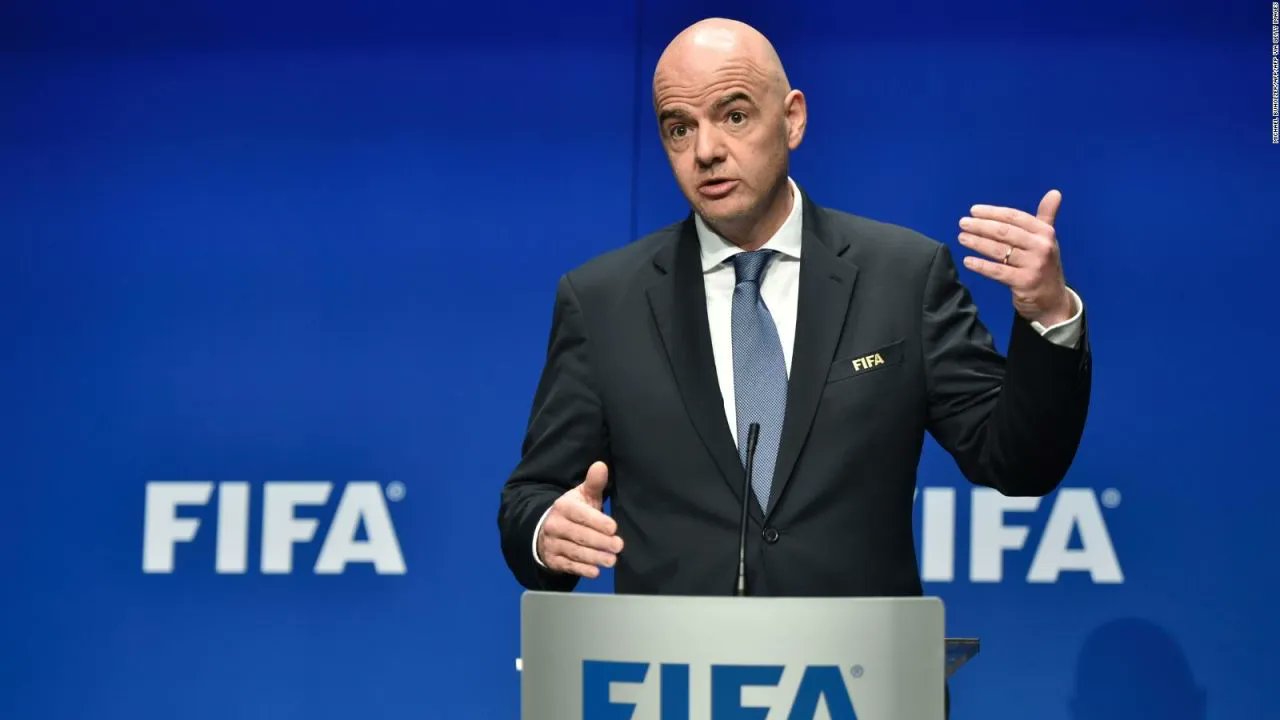
FIFA has officially announced December 15, 2025 as the mandatory release date for players selected to participate in the 2025 Africa Cup of Nations (AFCON). The decision, confirmed after a series of consultations with the Confederation of African Football (CAF), European clubs, and national associations, adjusts the earlier plan that required players to report to their national teams by December 8. The new timeline gives clubs one more week with their African stars before the continental tournament begins.
This development arrives ahead of the highly anticipated AFCON 2025, scheduled to take place in Morocco from December 21, 2025, to January 18, 2026. The tournament is expected to attract global attention, not only for its football significance but also for its unique timing during a congested European club football calendar. With the revised release date, African teams now have a shorter preparation window, creating both logistical and tactical challenges for coaches.

💰💰Donations can be made into 👇
ToyinOlomo Int’l Foundation FCMB 7616705014
Thank you.
please note that this is a broacast message
FIFA explained that the decision mirrors the approach used during the 2022 FIFA World Cup, where the mandatory release period was shortened to minimize the impact on club competitions. According to the governing body, the new arrangement aims to ensure fairness while recognizing the operational pressures faced by teams competing across domestic leagues, continental tournaments, and major festive-season fixtures.
For European clubs, the revised release date provides a significant advantage. Many top sides rely heavily on African players, and the extra week of availability means key names can take part in important mid-December league games. This includes clubs like Liverpool, Manchester United, Napoli, Bayer Leverkusen, and Marseille, all of which have core players likely to represent their nations at AFCON 2025.
- Tragedy in Kogi: Police Corporal Allegedly Kills Female Colleague, Takes Own Life After Reported Relationship Crisis
 A tragic shooting incident involving two serving police officers has…
- Tottenham Stun Chelsea at Stamford Bridge as Palmer Sees Red and Maddison Suffers Fresh Injury Blow
 Tottenham Hotspur delivered a statement victory over London rivals Chelsea…
However, for national teams, the move presents a different reality. Coaches will have less time to assemble their full squads, conduct tactical sessions, and finalize match readiness before the competition kicks off. With most teams expected to begin camp around December 10–12, the mandatory release date falling just three days before the tournament means preparation schedules must be dramatically compressed.
CAF has acknowledged the challenge but maintains that the new arrangement is in the broader interest of global football coordination. Many African coaches, while expressing concern about limited preparation time, have stated that they will adjust their plans accordingly. Pre-camp training with available players may become a widely adopted strategy in the weeks leading up to December 15.
FIFA has urged national associations and clubs to maintain healthy communication and uphold the spirit of sportsmanship throughout the release process. The governing body also indicated that it is willing to mediate in cases where conflicts arise between clubs and national teams, especially concerning travel, fitness management, and scheduling concerns.
The host nation, Morocco, continues to intensify preparations for the tournament. With the start date only days after the mandatory release, the country is expected to welcome a surge of early arrivals from national teams rushing to finalize arrangements. Stadium readiness, security, fan logistics, and accommodation are reportedly in advanced stages, with CAF expressing satisfaction over progress so far.
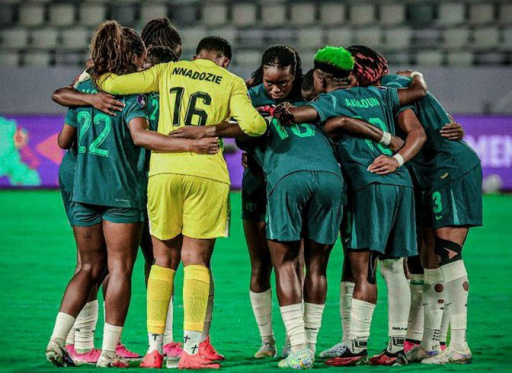
For the Super Eagles of Nigeria, as well as Ghana, Senegal, Egypt, and other top contenders, the shortened window means every training session will matter. Analysts have predicted that teams with well-established systems and minimal tactical overhauls may cope better than sides undergoing rebuilding or facing coaching transitions. The pressure on fitness coaches and medical staff will also increase as players arrive from packed club schedules.
As the countdown to AFCON 2025 intensifies, the December 15 release date will shape team selections, travel schedules, and tactical planning across the continent. While the decision eases the burden on club football, it sets the stage for one of the most logistically demanding tournament build-ups in recent AFCON history. Fans worldwide now look toward Morocco as Africa prepares to host another thrilling edition of the continent’s flagship competition.