



Nigeria is grappling with a deepening drug abuse crisis, with an estimated 14.3 million citizens consuming illicit substances within a single year, according to findings from a national drug use survey cited by the National Drug Law Enforcement Agency (NDLEA).
The figure represents about 14.4 percent of Nigerians aged between 15 and 64, placing the country’s drug use prevalence at nearly three times the global average.
Experts say the data underscores a growing public health emergency, particularly among young people who form a significant portion of the affected population. The survey, conducted in collaboration with international bodies including the United Nations Office on Drugs and Crime, highlights how deeply drug use has penetrated Nigerian society.
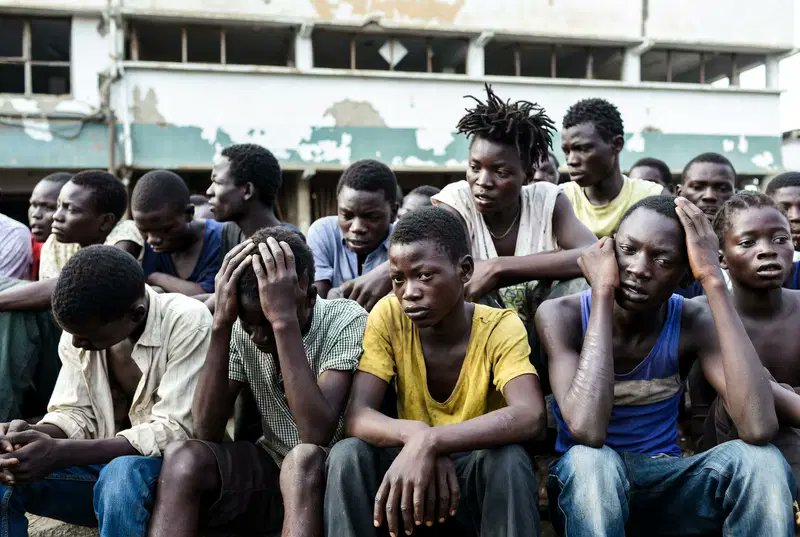
Beyond the sheer number of users, the implications are severe. Reports indicate that about one in five drug users—roughly three million Nigerians—suffer from drug use disorders, many requiring urgent medical intervention.
The pattern of substance use shows that while alcohol remains the most commonly consumed substance, cannabis is the most widely abused illicit drug, with millions of users nationwide. Pharmaceutical opioids such as tramadol and codeine-based syrups are also increasingly misused, especially among youths seeking quick psychoactive effects.
Recent updates from NDLEA-linked data reiterate that the problem is not static. Newer reports suggest the figure remains around 14.3 million, signaling that efforts to curb the trend have yet to significantly reduce prevalence.
- Dangote Refinery’s N2.15 Trillion IPO Closes Today as Investors Make Final Push
 LAGOS, Nigeria — The highly anticipated initial public offering (IPO)…
Read More “Dangote Refinery’s N2.15 Trillion IPO Closes Today as Investors Make Final Push” »
- NCAA to Probe Airline After Passenger Reportedly Bleeds Amid Extreme Heat on Abuja–Calabar Flight
 The Nigeria Civil Aviation Authority (NCAA) is set to investigate…
Analysts attribute the surge in drug abuse to a combination of factors, including unemployment, peer pressure, urbanization, and easy access to both illicit and prescription drugs. Young Nigerians, particularly those between ages 25 and 39, are identified as the most affected demographic.
The NDLEA, established in 1989 to combat drug trafficking and abuse, continues to intensify enforcement, public awareness campaigns, and rehabilitation initiatives. However, stakeholders warn that enforcement alone cannot solve the crisis without sustained investment in education, mental health support, and youth engagement programmes.
As Nigeria confronts this escalating challenge, the statistics serve as a stark reminder: drug abuse is no longer a fringe issue but a mainstream national concern with far-reaching social and economic consequences.