




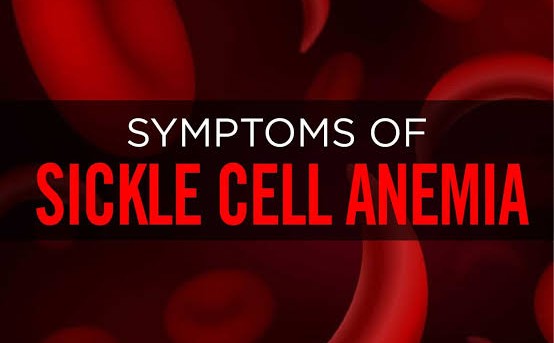
The Sickle Cell Foundation Nigeria (SCFN), in collaboration with the Lagos University Teaching Hospital (LUTH), has confirmed the availability of bone marrow transplantation — also known as stem cell transplantation — as a curative treatment option for eligible patients living with sickle cell disorder (SCD) in Nigeria.
The procedure, medically referred to as hematopoietic stem cell transplantation, is globally recognized as an established cure for sickle cell disorder in carefully selected patients. The treatment works by replacing defective bone marrow responsible for producing sickled red blood cells with healthy stem cells from a compatible donor.
SCFN and LUTH began active implementation of the transplant programme around 2024, marking a significant milestone in Nigeria’s efforts to combat sickle cell disorder, a genetic blood condition that affects millions across the country. Nigeria has one of the highest burdens of SCD globally, with thousands of children born annually with the condition.
Before the introduction of local transplant services, patients seeking curative treatment often had to travel abroad at significant financial cost. The availability of the procedure within Nigeria is expected to reduce medical tourism and improve access to advanced care for eligible patients.
Medical experts emphasize that bone marrow transplantation is not suitable for every patient with sickle cell disorder. Eligibility depends on several factors, including age, overall health status, severity of complications, and the availability of a suitably matched donor — often a sibling with compatible human leukocyte antigen (HLA) typing.
The transplant process involves extensive pre-transplant evaluation, conditioning therapy to prepare the patient’s body, the infusion of healthy stem cells, and close post-transplant monitoring to manage potential complications such as infections or graft-versus-host disease.
- Bournemouth Humiliate Manchester United 3-0 at Old Trafford as Carrick Faces Mounting Pressure
 Bournemouth delivered another painful blow to Manchester United on Sunday,…
- Tragedy in Kogi: Police Corporal Allegedly Kills Female Colleague, Takes Own Life After Reported Relationship Crisis
 A tragic shooting incident involving two serving police officers has…
Officials at SCFN note that the programme operates under strict medical protocols and international best practices to ensure patient safety. Multidisciplinary teams of hematologists, transplant specialists, nurses, and laboratory scientists are involved in the process at LUTH.
Health advocates have described the development as a breakthrough for families affected by sickle cell disorder, offering renewed hope beyond routine management approaches such as blood transfusions, pain management, infection prevention, and hydroxyurea therapy.
While the transplant is considered a cure when successful, experts caution that it carries risks and requires thorough counseling for patients and families. Long-term follow-up care is also essential after the procedure.
Prospective patients and caregivers are advised to contact the Sickle Cell Foundation Nigeria or Lagos University Teaching Hospital directly for verified information on eligibility criteria, evaluation processes, costs, and scheduling of assessments.