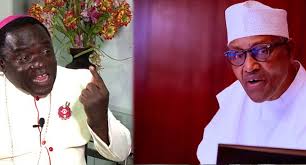






A Sokoto-based Islamic scholar, Sheikh Musa Lukuwa, on Thursday led his followers in observing the Eid al-Fitr prayer, going against the official directive of the Sultan of Sokoto, Alhaji Muhammad Sa’ad Abubakar III, who had declared Friday as the day for the celebration across Nigeria.
The cleric conducted the two-unit Eid prayer at his mosque in the Mabera area of Sokoto at about 9:10 a.m., only hours after the Sultan announced that the Shawwal crescent moon had not been sighted anywhere in the country, thereby extending the Ramadan fast by an additional day.
Explaining his decision, Lukuwa cited reports of confirmed moon sightings in neighbouring Niger Republic, arguing that geographical proximity makes such reports credible. He maintained that if sightings from distant Nigerian cities are accepted, those from a nearby country should not be dismissed.
The cleric stressed that his action was not intended to challenge the authority of the Sultan but was based on his understanding of Islamic teachings regarding moon sighting. He noted that while he and his followers usually adhere to the Sultan’s announcements, they felt compelled to act differently in this instance due to what they considered reliable evidence.
Lukuwa also referenced historical precedents in northern Nigeria, pointing out that before the centralisation of moon sighting announcements under the Sultan, prominent Islamic scholars independently declared the beginning and end of Ramadan.
In Nigeria, the Sultan of Sokoto—who doubles as the President-General of the Nigerian Supreme Council for Islamic Affairs—is widely recognised as the central authority for declaring the start and end of Ramadan, a role intended to ensure unity among Muslims nationwide.
- Bournemouth Humiliate Manchester United 3-0 at Old Trafford as Carrick Faces Mounting Pressure
 Bournemouth delivered another painful blow to Manchester United on Sunday,…
- Tragedy in Kogi: Police Corporal Allegedly Kills Female Colleague, Takes Own Life After Reported Relationship Crisis
 A tragic shooting incident involving two serving police officers has…
However, اختلافات (differences) over moon sighting—particularly when reports emerge from neighbouring countries—have occasionally led to divergent observances among some clerics and communities, especially in northern parts of the country.
Thursday’s development highlights ongoing jurisprudential debates within Islamic practice on whether moon sightings should be determined strictly within national borders or can be validated across nearby regions.