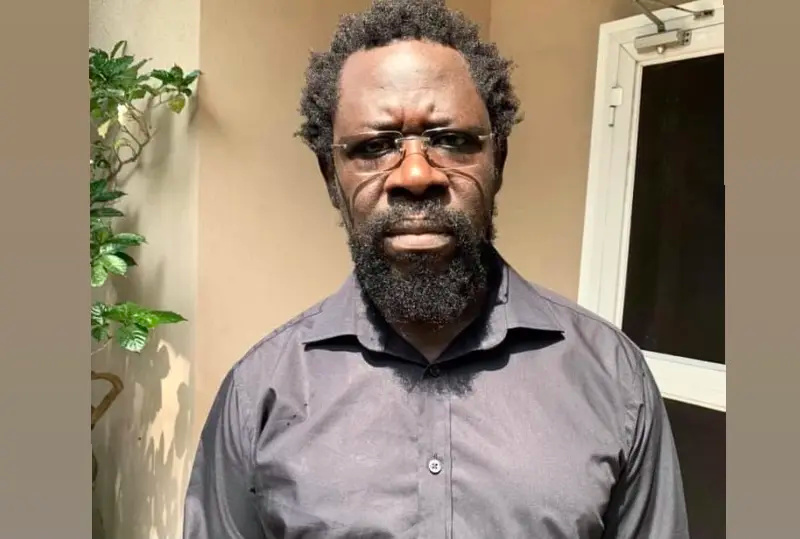



Islamic cleric Sheikh Ahmad Gumi has defended President Bola Ahmed Tinubu’s economic reforms, arguing that improvements in key macroeconomic indicators suggest that Nigeria’s economy is gradually recovering, despite the continuing hardship confronting millions of citizens.
Gumi made the observations during an interview with PAPShow, where he assessed the Tinubu administration’s economic policies, particularly the removal of petroleum and electricity subsidies, increased government revenue and the broader impact of the reforms on the Nigerian economy.
Responding to questions about whether President Tinubu had taken the wrong economic decisions, the cleric maintained that the fundamental direction of the administration’s policies was largely consistent with recommendations that many economists would make. He said there was little fault to find with the economic direction in principle, although the implementation and social consequences required greater attention.
Gumi specifically defended the removal of the petrol subsidy, describing the decision as an inevitable consequence of the economic circumstances in which Nigeria found itself. He also noted that international financial institutions, including the International Monetary Fund (IMF), had welcomed some of the reforms introduced by the administration.
Assessing the country’s economic performance, the Islamic scholar identified increases in gross domestic product (GDP), government revenue and financial allocations to state and local governments as important indicators suggesting that the economy was making progress.
“At the macroeconomic level, GDP has increased, government revenue has increased, and allocations have also increased. Virtually all the major indicators suggest that the Nigerian economy is recovering,” Gumi said.
He, however, cautioned that improvements in economic indicators should not be mistaken for an end to the difficulties experienced by ordinary Nigerians, noting that households continued to bear the consequences of the economic adjustments. According to him, the scale of government intervention to cushion vulnerable citizens remained inadequate compared with the level of hardship.
The cleric acknowledged that the Federal Government had introduced poverty alleviation programmes and other social intervention initiatives but stressed that their effectiveness depended largely on implementation, transparency and the proper distribution of resources to intended beneficiaries. He argued that even well-designed government policies could fail to achieve their objectives without effective implementation and accountability.
Gumi also advocated free education from primary through secondary school, insisting that Nigeria possessed sufficient resources to provide children with access to education irrespective of their families’ financial circumstances. He described education as fundamental to national development and argued that greater investment in human capital was necessary to create an environment where qualified Nigerians could prosper at home rather than seek better opportunities abroad.
On infrastructure and educational development, the cleric cited the resumption of substantial construction work on the Abuja-Kaduna Road, which he said had virtually stalled under the previous administration, as well as the establishment of additional federal, state and private universities. He identified these developments as areas where progress had been recorded, while maintaining that more attention was required to improve the welfare of ordinary citizens, particularly those in underserved communities.
Gumi’s remarks come amid continuing national debate over the consequences of the Tinubu administration’s economic reforms, which have included the removal of petrol and electricity subsidies and changes to the foreign exchange regime. While the administration has pointed to improved economic indicators as evidence of progress, concerns persist over inflation, the cost of living and the purchasing power of households. The cleric maintained that the government should consolidate the reforms while strengthening social protection programmes, improving accountability and ensuring that the gains of economic recovery translate into tangible improvements in the lives of Nigerians.
- Gumi Backs Tinubu’s Economic Reforms, Says Key Indicators Signal Nigeria’s Recovery Despite Widespread Hardship
 Islamic cleric Sheikh Ahmad Gumi has defended President Bola Ahmed…
- 2027 Elections: CJN Swears In 375 Tribunal Judges, Warns Politicians Against Meddling in Judicial Process
 Chief Justice of Nigeria (CJN), Justice Kudirat Kekere-Ekun, has sworn…