





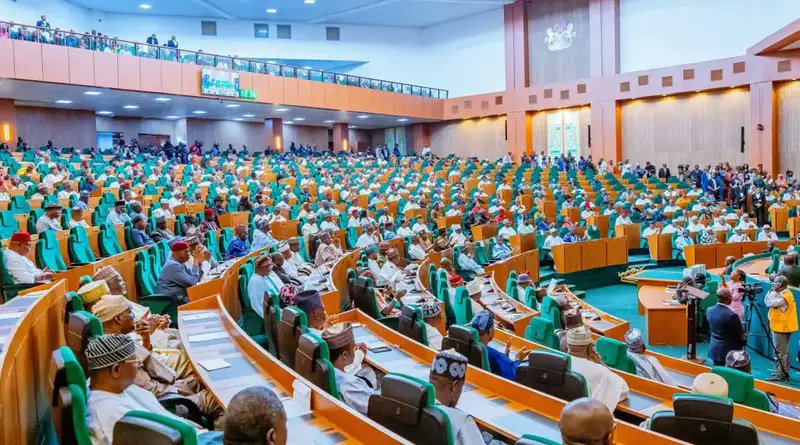
In a firm diplomatic stance, the Nigerian House of Representatives has called on the United States government to reinstate the 5-year multiple entry visa policy for Nigerian citizens, citing the potential erosion of long-standing bilateral relations between the two nations.
The resolution, adopted during Tuesday’s plenary session, followed a motion of urgent public importance raised by several lawmakers who decried the challenges faced by Nigerian travelers and professionals due to the current restrictive U.S. visa regime.
The House expressed concern that the discontinuation of the 5-year multiple entry arrangement, which had previously eased travel for Nigerian businessmen, students, and diaspora families, could undermine the mutual trust and partnership cultivated over decades.

Lawmakers emphasized that Nigeria remains one of America’s strategic allies on the African continent in terms of trade, regional security, and democratic cooperation. They stressed that the current visa policy, which now limits Nigerian travelers to shorter-term single-entry visas, sends an unfriendly signal, potentially dampening investor confidence and complicating academic and medical exchanges.
The House resolved to mandate its Committees on Foreign Affairs and Diaspora Matters to engage directly with the U.S. Embassy in Nigeria and the Ministry of Foreign Affairs to explore diplomatic channels for restoring the policy. Members of the House insisted that reciprocity and mutual respect must guide international visa frameworks, especially between historically allied nations.
- Bournemouth Humiliate Manchester United 3-0 at Old Trafford as Carrick Faces Mounting Pressure
 Bournemouth delivered another painful blow to Manchester United on Sunday,…
- Tragedy in Kogi: Police Corporal Allegedly Kills Female Colleague, Takes Own Life After Reported Relationship Crisis
 A tragic shooting incident involving two serving police officers has…
With thousands of Nigerians contributing meaningfully to American society in education, health, technology, and business sectors, lawmakers reiterated that denying longer-term visa access undermines the shared vision of global mobility, diversity, and economic collaboration.
The motion received unanimous support on the floor, reflecting a national consensus on the need to protect the dignity and mobility rights of Nigerian citizens abroad.
As of press time, there has been no official response from the United States Embassy in Abuja. However, analysts say sustained parliamentary and diplomatic engagement could rekindle discussions on the matter in Washington.