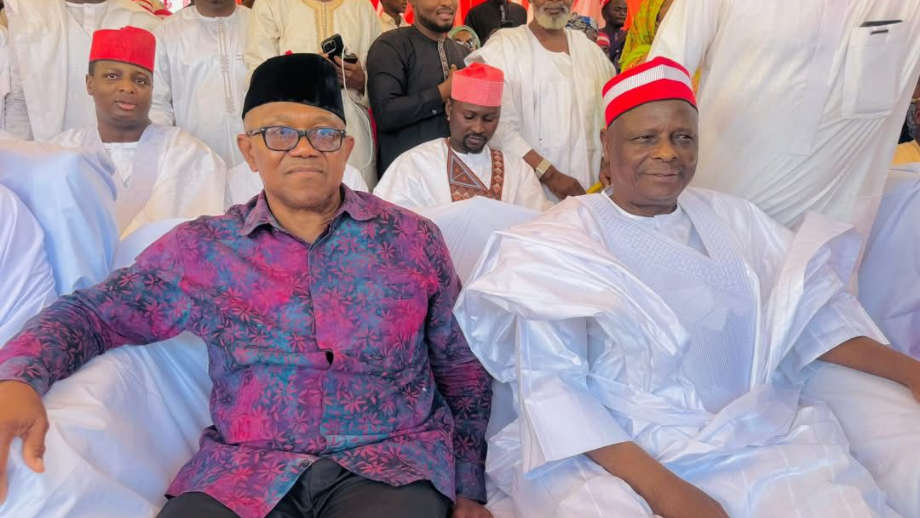
Former presidential media aide Bashir Ahmad has suggested that key opposition figures, Peter Obi and Rabiu Kwankwaso, could eventually part ways with the Nigeria Democratic Congress (NDC) if internal disagreements within the party continue to deepen.
Ahmad’s comments come against the backdrop of increasing political realignments ahead of Nigeria’s 2027 general elections and reports of growing friction among influential blocs within the opposition coalition. According to him, recent developments within the NDC indicate that both Obi and Kwankwaso may find it difficult to remain in the party should unresolved leadership and structural issues persist.
The former presidential aide particularly referenced concerns surrounding Senator Rabiu Kwankwaso’s political style, arguing that the former Kano State governor has historically preferred political platforms where he enjoys significant influence over party structures. Ahmad maintained that any situation perceived as limiting that influence could trigger fresh political calculations.
His remarks follow reports of disagreements within the NDC over party control, candidate selection, and the implementation of internal power-sharing arrangements. Recent reports indicated that some members of the Kwankwasiyya movement expressed dissatisfaction with decisions affecting party structures in Kano State, fueling speculation about the long-term stability of the coalition.
The comments also come at a time when opposition politics is witnessing major shifts. Obi and Kwankwaso recently emerged as central figures in efforts to build a stronger opposition platform capable of challenging the ruling party in the next presidential election. Their political movements have attracted significant public attention and have triggered discussions about the future shape of opposition alliances.
Despite the speculation, neither Obi nor Kwankwaso has publicly indicated plans to leave the NDC. Both leaders have remained active within opposition consultations aimed at strengthening the party’s prospects ahead of 2027. Kwankwaso recently reiterated his willingness to support any presidential candidate eventually produced by the party, emphasizing the importance of collective decisions within the opposition movement.
Political analysts believe the coming months will be crucial for the NDC as it seeks to manage competing interests among its leading figures while presenting a united front ahead of the next electoral cycle. Whether the party can successfully maintain cohesion among its influential members may ultimately determine its effectiveness as a major opposition force.
As political negotiations continue, observers will be closely watching developments within the NDC to see whether the coalition can overcome internal challenges or whether further realignments will reshape Nigeria’s opposition landscape before the 2027 elections.
- EFCC Raids Four Illegal Lithium Plants in Ogun, Arrests 14 Chinese Nationals and Nigerian
 The Economic and Financial Crimes Commission (EFCC) has arrested 15…
- 2027 Elections: OK Movement Faults NDC’s Late Campaign Preparations, Questions Grassroots Strength
 The Obi-Kwankwaso (OK) Movement has criticised the Nigeria Democratic Congress…