



The European Union (EU) has raised the alarm over growing incidents of election-related violence, hate speech, political intimidation and restrictions on fundamental freedoms in Nigeria, warning that the developments could undermine democratic institutions and discourage citizens from participating in the 2027 general elections.
The EU expressed its concerns against the backdrop of increasing reports of hostility surrounding political activities, stressing that a credible electoral process requires an environment where citizens, political parties, journalists and civil society organisations can freely exercise their democratic rights without fear of harassment or retaliation.
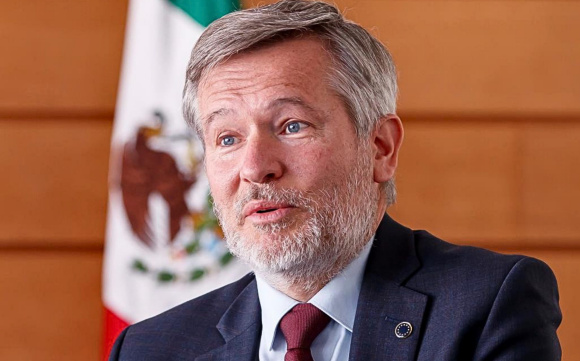
The EU Ambassador and Head of Delegation to Nigeria and the Economic Community of West African States (ECOWAS), Gautier Mignot, raised the concerns on Wednesday at the opening of the 2026 Civil Society and Human Rights Defenders Forum on the State of Human Rights in Abuja. The forum was organised by the National Human Rights Commission (NHRC) with support from the European Union.
Mignot emphasised that an open civic and political environment was indispensable to credible elections, noting that independent media, peaceful assemblies, public debates and active civil society organisations provide citizens with opportunities to scrutinise candidates, evaluate campaign promises and hold political leaders accountable.
He warned that weakening these democratic safeguards would directly affect citizens’ ability to participate meaningfully in elections and erode public confidence in the political system. The EU envoy consequently reaffirmed the bloc’s commitment, alongside its member states, to supporting the protection of civic and political freedoms in Nigeria.
Clarifying the EU’s position, Mignot said its involvement was not intended to interfere in Nigeria’s electoral process but to strengthen the capacity of legitimate domestic stakeholders to contribute to free, fair and credible elections. He pledged continued collaboration with the NHRC and civil society organisations in advancing human rights, democratic governance and institutional accountability.
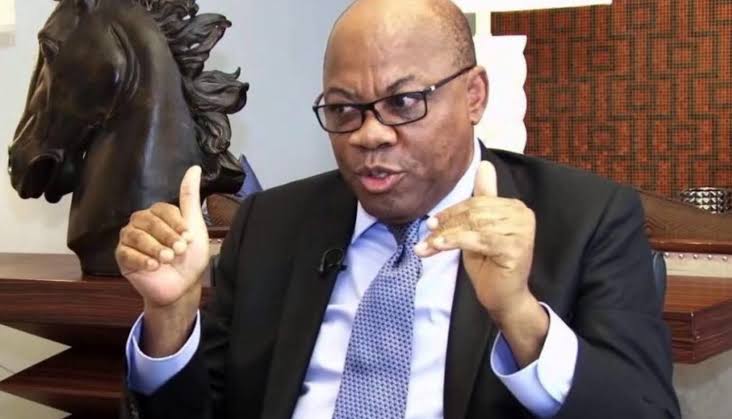
In his address, NHRC Executive Secretary, Dr Anthony Ojukwu, SAN, warned that Nigeria’s democracy could gradually deteriorate if citizens, journalists, human rights defenders and civil society organisations were prevented from exercising their constitutional freedoms. He identified harassment, arbitrary arrests, political and voter intimidation, hate speech, incitement and alleged misuse of the Cybercrimes Act to suppress legitimate civic engagement as disturbing developments requiring urgent attention.
Ojukwu also raised concerns over prohibitive political nomination fees, which he said could exclude women, young people and persons with disabilities from participating in electoral contests. He further criticised the absence of adequate accountability for electoral offences, warning that perpetrators who escape punishment could become emboldened to commit further violations. He renewed the commission’s call for the establishment of a dedicated Electoral Offences Commission in line with recommendations of the Justice Mohammed Uwais Electoral Reform Committee.
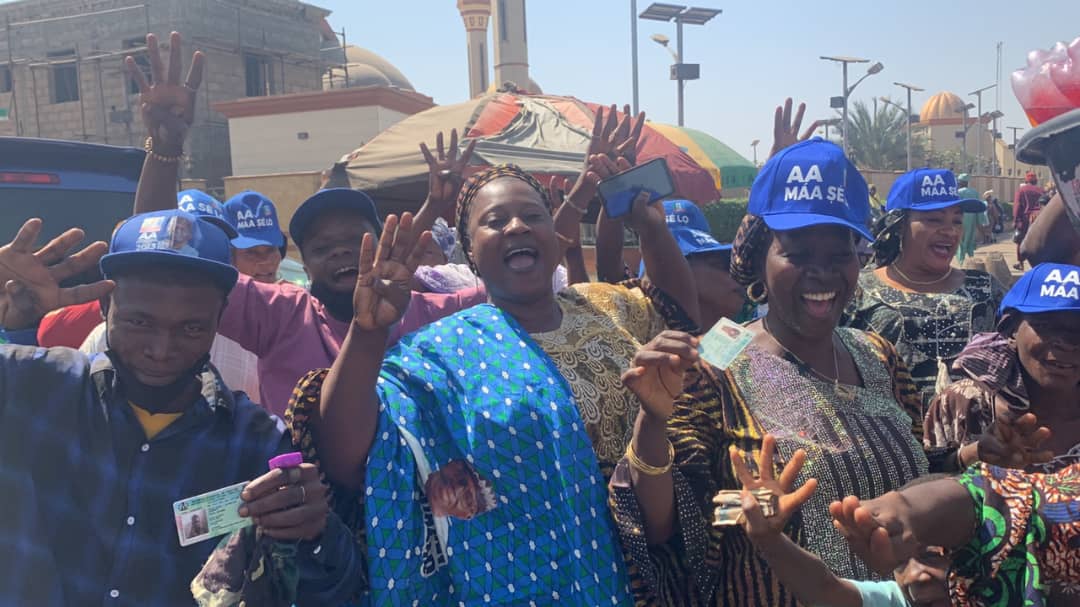
The warning comes amid reported attacks on political supporters and campaign activities in different parts of the country. Among the incidents cited were an October attack on supporters of the All Progressives Congress travelling to a campaign flag-off in Funtua, Katsina State, which left a female passenger injured and vehicles damaged, as well as an attack on the convoy of Nigeria Democratic Congress presidential candidate, Peter Obi, in Calabar, Cross River State, on November 4. Another reported attack on an NDC political procession in Asaba, Delta State, on November 7, left one person dead and five others injured.
Meanwhile, the National Chairman of the Inter-Party Advisory Council (IPAC), Dr Yusuf Dantalle, urged political parties, candidates and their supporters to reject violence, inflammatory rhetoric and voter suppression as preparations for the 2027 elections intensify. He maintained that political competition must not degenerate into hostility, insisting that electoral victory should never be pursued at the expense of human lives, national unity and public peace. The EU, NHRC and other stakeholders have consequently called for collective action to safeguard democratic freedoms and ensure that the entire electoral process, from campaigns and voter mobilisation to voting and the declaration of results, is peaceful, transparent and credible.
- Seyi Tinubu Leads City Boy Delegation to Sultan of Sokoto in Fresh Push for National Reach
 Seyi Tinubu, son of President Bola Ahmed Tinubu and Patron…
- IGP Disu Gives Police Commissioners 72 Hours to Submit Security Threat Reports, Orders Urgent Reinforcement of Banditry-Hit Communities
 Inspector-General of Police, Olatunji Disu, has given Commissioners of Police…