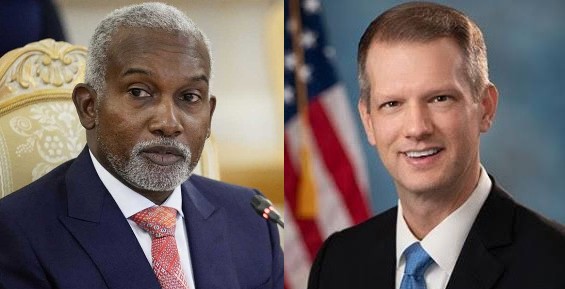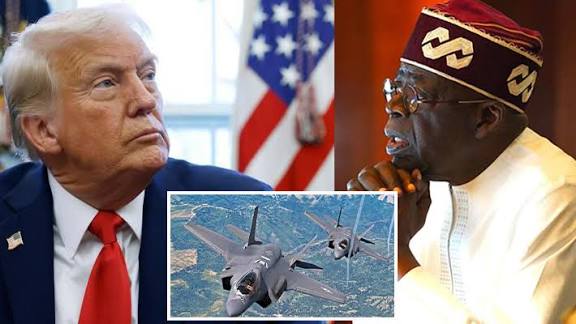




A growing chorus of U.S. lawmakers has issued a stark ultimatum to the government of Federal Republic of Nigeria: disarm militias and armed groups, prosecute those responsible for religious-based attacks, and immediately strengthen protections for vulnerable communities, particularly Christians.
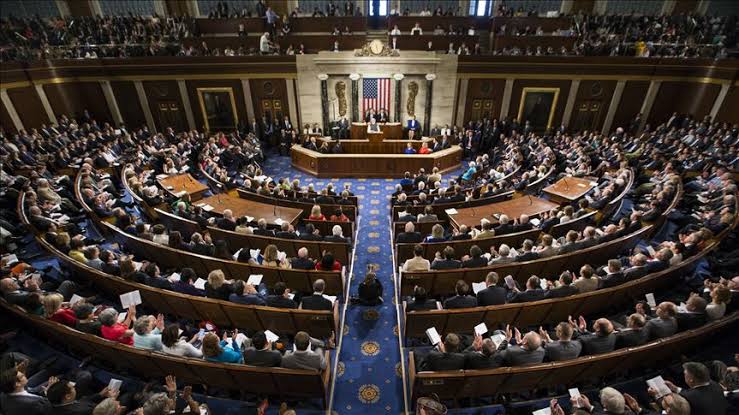
During a joint briefing convened by the U.S. House Appropriations Committee and the Foreign Affairs Committee, lawmakers voiced deep concern over what they describe as a campaign of violence targeting Christian communities across various Nigerian states. They argued that recent attacks, including killings, kidnappings, church burnings, and mass displacement, reflect systemic failure, not just isolated incidents.

💰💰Donations can be made into 👇
ToyinOlomo Int’l Foundation FCMB 7616705014
Thank you.
please note that this is a sponsored broacast message
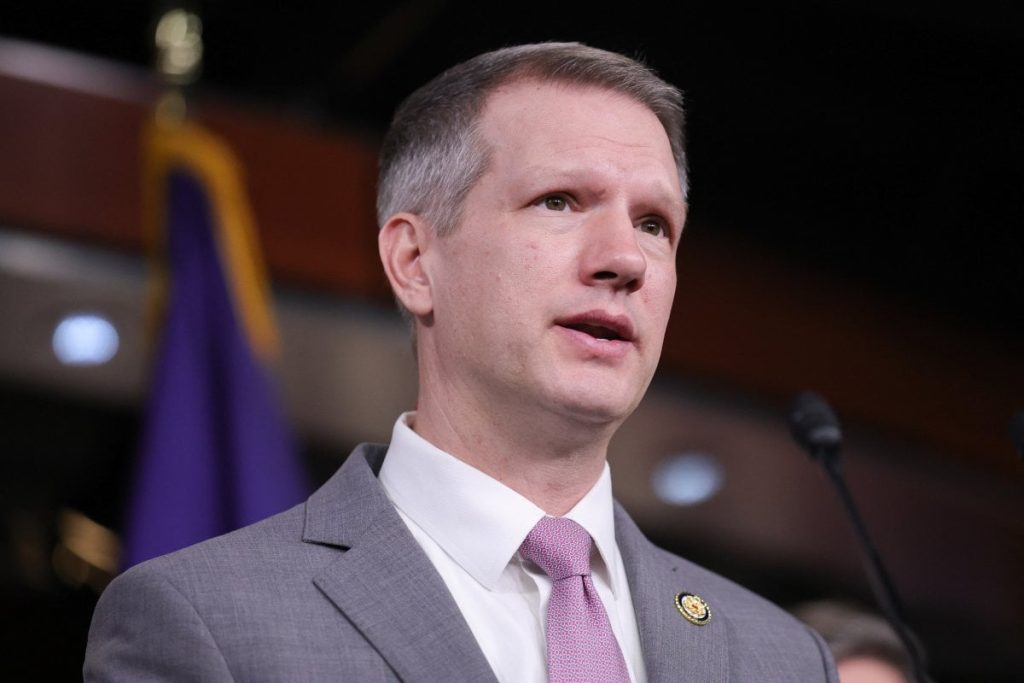
Among the most vocal was Riley Moore (R-WV), who introduced a resolution condemning the persecution of Christians and calling for tougher U.S. response. The resolution supports a re-designated “Country of Particular Concern” status for Nigeria under the International Religious Freedom Act, aiming to trigger diplomatic, economic, security and humanitarian measures.
Lawmakers also outlined concrete steps: targeted sanctions and visa bans on individuals and groups linked to violent militias; conditioning U.S. aid to Nigeria on verified improvements in religious freedom and security for minority communities; and increased oversight of security-sector cooperation with Nigeria.
- Nigeria’s First Ebola Patient Identified as Wife of Swiss Diplomat as Authorities Probe Source of Infection
 Nigeria’s latest Ebola case has been traced to a 42-year-old…
- MURIC Seeks Police Probe into Alleged Killing of Man Inside Oyo Mosque
 The Muslim Rights Concern (MURIC) has petitioned the police over…
Read More “MURIC Seeks Police Probe into Alleged Killing of Man Inside Oyo Mosque” »
In response, the Nigerian government has strongly rejected the designation and the allegations of systematic religious persecution. At a press briefing on November 5, 2025, Mohammed Idris, Nigeria’s Information Minister described the U.S. designation as based on “misinformation and faulty data.”
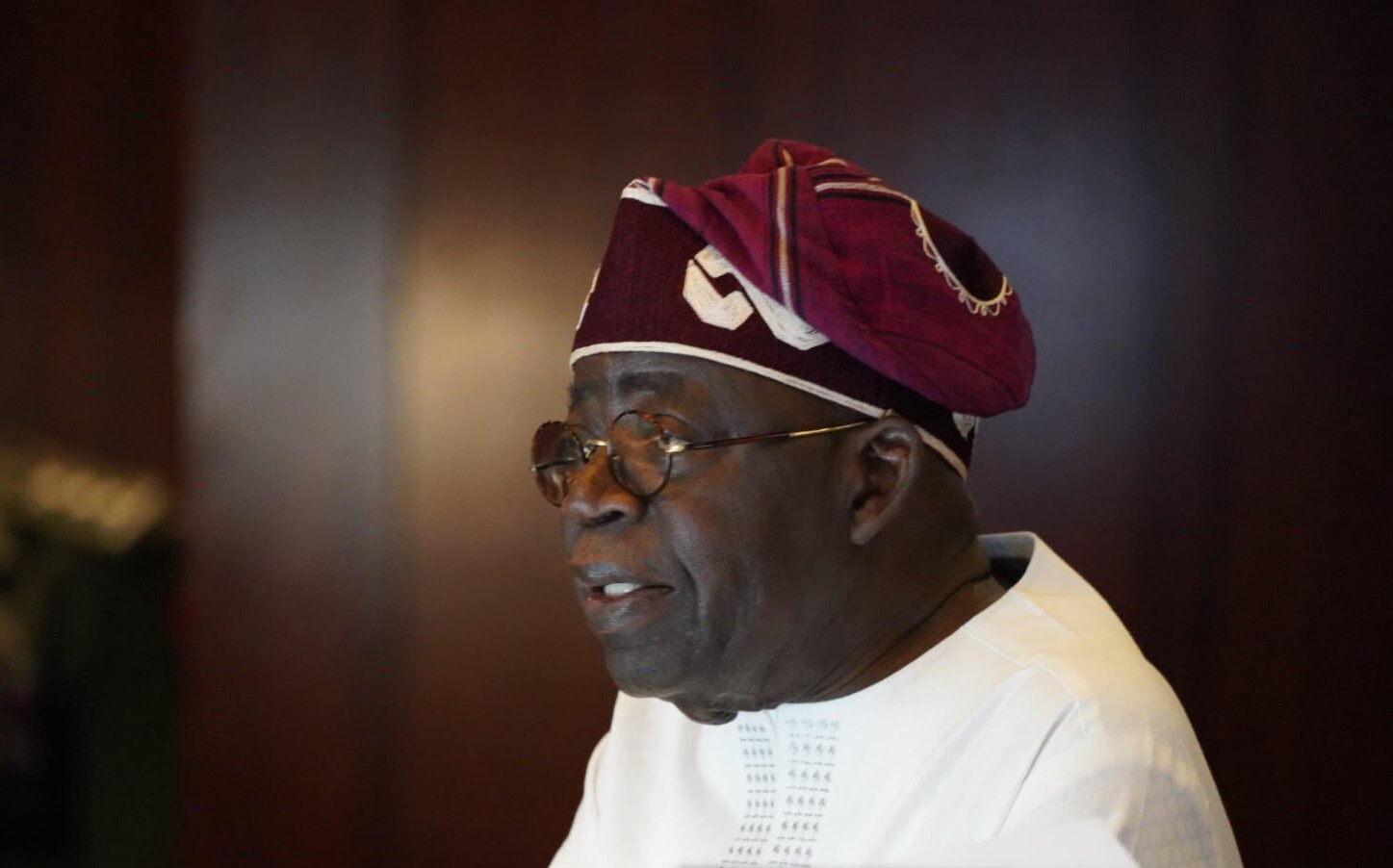
Officials argue that Nigeria’s security challenge is complex and affects all Nigerians, regardless of faith, not selective persecution of Christians. They point to years of efforts under President Bola Ahmed Tinubu’s administration to tackle terrorism, insurgency and banditry including arrests, militant-kills, and rescues as evidence of commitment to national security.
Yet advocates who testified before Congress dismissed excuses rooted in security-sector complexity. They insisted the data show disproportionate targeting of Christian communities, calling for justice through disarmament of militias, land-return for displaced persons, transparent investigations, and prosecution of perpetrators.
With the U.S. moving to leverage diplomatic and economic pressure, Nigeria now finds itself at a crossroads forced to choose between external pressure for reform or enduring growing global scrutiny. The stakes go beyond religious freedom: they touch on national stability, interfaith relations, human rights, and Nigeria’s global reputation.
As the debate intensifies, many Nigerians, Christian and Muslim alike watch closely, hoping that what begins as pressure from Washington might push Abuja to take decisive action. Because if justice is delayed by willful inaction, the cost may be measured in lives, communities lost, and a deepening cycle of distrust.