


Middle East Analysis & Conflict Watch
By Oyez Olatunde Rex
In the early hours of June 13, 2025, the fragile balance of deterrence between Israel and Iran exploded into open confrontation.
Under the codename Operation Rising Lion, the Israeli military launched a precision air campaign that struck more than 100 high-value targets deep within Iranian territory.
This was not a symbolic flex, it was a full-scale, multi-pronged military action aimed at crippling Iran’s nuclear infrastructure, missile development hubs, and military command centers.
Among the key targets were the nuclear sites at Natanz, Fordow, and Isfahan. Above-ground structures at these locations suffered severe destruction. Although Iran’s fortified underground centrifuge halls remained intact, operations have reportedly ground to a halt.

The assault also claimed high-ranking casualties. Dozens of IRGC commanders, military technicians, and nuclear scientists were among the dead.
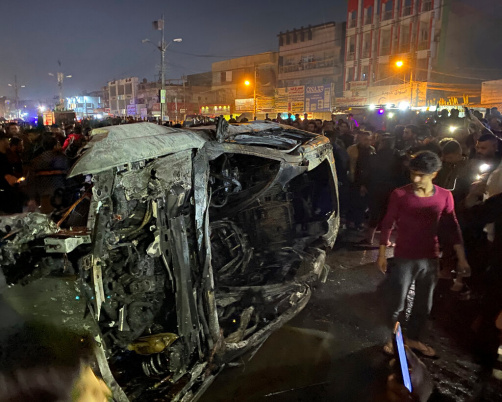
Tragically, the precision strikes also spilled over into civilian zones, resulting in over 100 fatalities and hundreds of injuries, many of them non-combatants, including children in residential districts of Tehran.
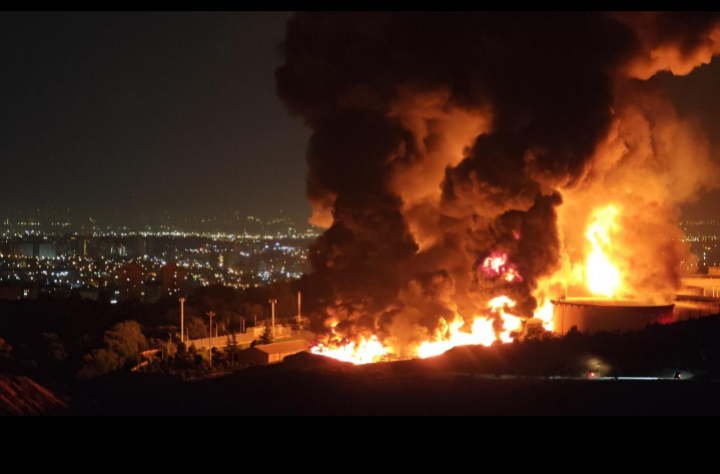
In a shocking follow-up, Israeli drones ignited a massive fire at South Pars, Iran’s most strategic natural gas field. The energy blow dealt a sharp economic hit, further complicating Iran’s ability to withstand growing international sanctions.
The Response: Operation True Promise III
Iran’s retaliation was both rapid and formidable.
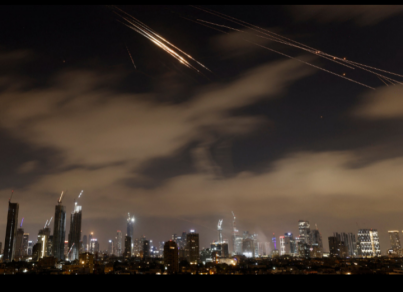
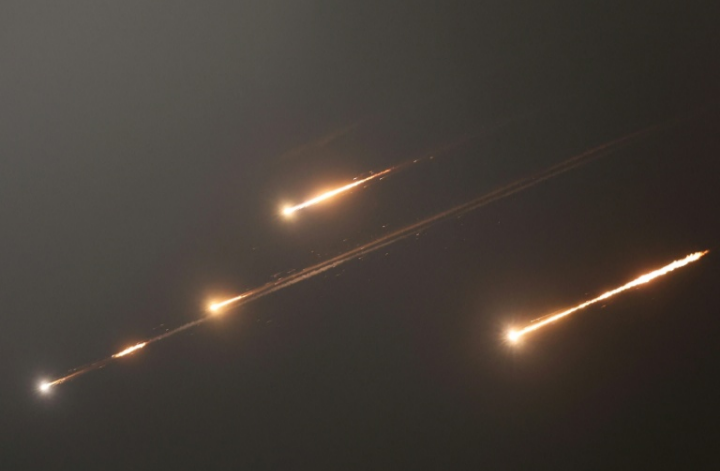
Within 18 hours of the Israeli operation, Tehran initiated Operation True Promise III, a barrage of over 150 ballistic missiles and more than 100 drones, targeting Israel’s urban centers, military assets, and scientific facilities.
- Nigeria Evacuates First Ebola Patient to Switzerland as Health Minister Confirms Medical Flight
 ABUJA, Nigeria — Nigeria’s first confirmed Ebola patient in more…
- EFCC Raids Four Illegal Lithium Plants in Ogun, Arrests 14 Chinese Nationals and Nigerian
 The Economic and Financial Crimes Commission (EFCC) has arrested 15…
The missiles thundered over Tel Aviv, Jerusalem, and Bat Yam, destroying residential towers and disabling defense outposts.
Despite interception efforts by Israel’s Iron Dome and U.S. Patriot systems deployed in the region, many of the projectiles broke through. The Israeli death toll rose to 14, with more than 350 injured.
Fireballs lit the Israeli sky. Air-raid sirens wailed across major cities. Hospitals went into emergency mode. And yet, both sides made it clear: this was only the beginning.
Diplomacy Frozen, Markets Rattled
As the missiles fell, diplomacy crumbled.
Iran immediately suspended its participation in nuclear talks that were to resume in Oman. Iranian officials accused the U.S. of complicity, while Washington maintained its support for Israeli defense but distanced itself from the initial strikes.
Oil markets reacted in panic. Prices surged nearly 9% in 24 hours. Fears of a shutdown in the Strait of Hormuz, through which nearly 20% of global oil passes, caused a spike in energy-related equities worldwide.
While no regional actor has officially joined the conflict, the threat remains. Iran’s network of proxies, from Hezbollah in Lebanon to the Houthis in Yemen, have issued stern warnings. Intelligence suggests many of them are on high alert. The question is no longer if but when another front may open.
The Outlook: Fire Beneath the Ashes
For now, Israel maintains it has “unfinished targets,” while Iran warns that its retaliation will continue if further attacks occur. With no clear de-escalation framework, the region remains perched on a dangerous precipice.
Observers fear this may spiral into a broader regional war, pulling in Gulf powers, igniting proxy conflicts across Iraq and Syria, and forcing a new era of militarized diplomacy in the Middle East.
One where drones, missiles, intelligence strikes, and cyber warfare collide. And where the line between defense and destruction grows ever more fragile.
Oyez Olatunde Rex is an observer and regional analyst, focused on Middle Eastern conflicts, energy geopolitics, and social impact narratives. He writes with a poetic edge, committed to unpacking the stories behind the headlines.