





The United States has resumed intelligence, surveillance, and reconnaissance operations over Nigeria’s Sambisa Forest following recent joint airstrikes targeting Islamic State-linked militants in Sokoto State, marking a renewed phase of security cooperation between Washington and Abuja.
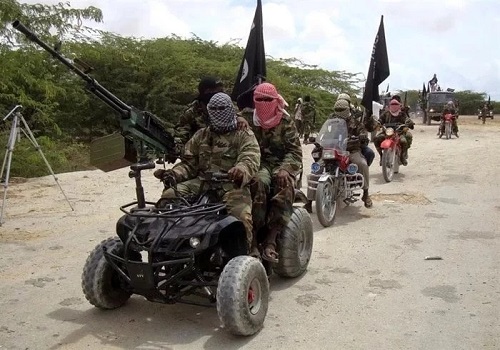
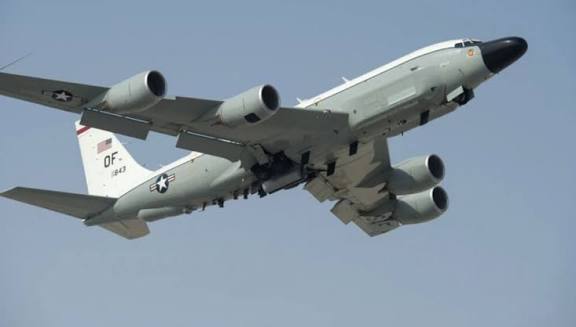
The surveillance missions involve high-altitude aircraft configured for intelligence gathering, tracking militant movements and communications linked to the Islamic State West Africa Province (ISWAP) and other insurgent elements operating in Nigeria’s North-East. The flights are aimed at improving situational awareness across known insurgent corridors.
Available flight-tracking and security analysis indicate that the surveillance operations restarted shortly after the US-led precision airstrikes carried out in parts of Sokoto State, suggesting a coordinated effort to assess the impact of the strikes and monitor possible militant regrouping or relocation.
The Sokoto airstrikes, conducted in collaboration with Nigerian authorities, reportedly targeted camps linked to Islamic State fighters operating near the Bauni Forest area. Security officials said the strikes were intelligence-driven and focused on preventing imminent attacks planned by the militants.
- Bournemouth Humiliate Manchester United 3-0 at Old Trafford as Carrick Faces Mounting Pressure
 Bournemouth delivered another painful blow to Manchester United on Sunday,…
- Tragedy in Kogi: Police Corporal Allegedly Kills Female Colleague, Takes Own Life After Reported Relationship Crisis
 A tragic shooting incident involving two serving police officers has…
Nigerian authorities confirmed that the air operations were precise and did not result in civilian casualties, although debris from the munitions was later reported in parts of neighbouring communities, prompting official clarification from the Federal Government.
The resumption of surveillance over Sambisa Forest underscores the strategic importance of the vast forest, which has for years served as a hideout and operational base for insurgent groups, including ISWAP and Boko Haram factions, due to its difficult terrain and limited accessibility.
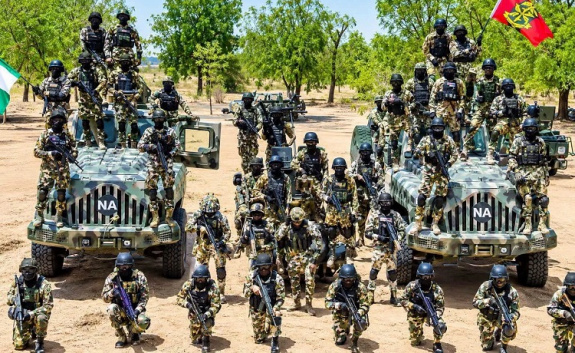
Security analysts note that continuous aerial surveillance over Sambisa is critical to disrupting supply routes, identifying leadership movements, and supporting Nigerian ground forces engaged in counter-insurgency operations across Borno State and surrounding areas.
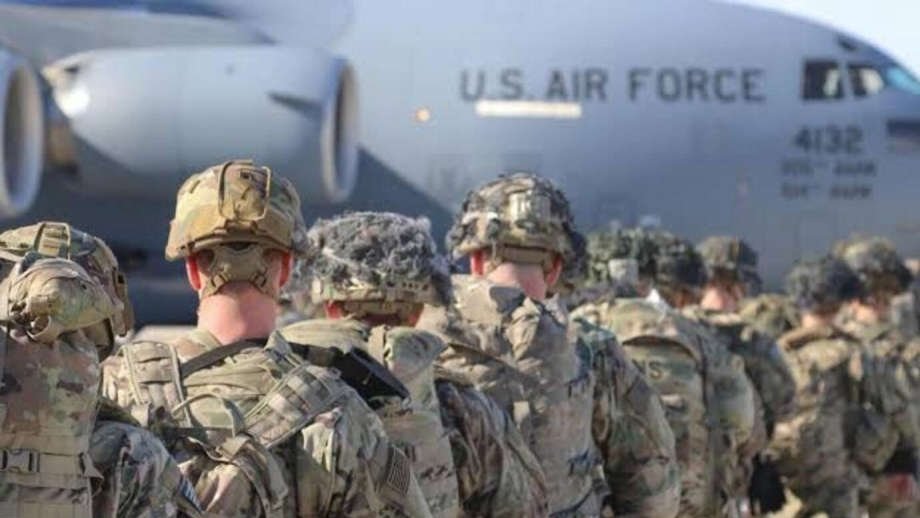
The intelligence flights are believed to be operating from US facilities in West Africa, reflecting Washington’s broader regional security posture amid growing concerns over the spread of extremist violence across the Sahel and coastal West African states.
The renewed surveillance effort also aligns with recent high-level engagements between Nigerian and US defence officials, where both sides reaffirmed commitments to intelligence sharing, counter-terrorism cooperation, and capacity building for Nigeria’s armed forces.
As military operations continue, officials say the combination of precision strikes and sustained surveillance is intended to weaken insurgent networks, limit their freedom of movement, and enhance Nigeria’s ongoing efforts to restore security in long-troubled regions of the country.