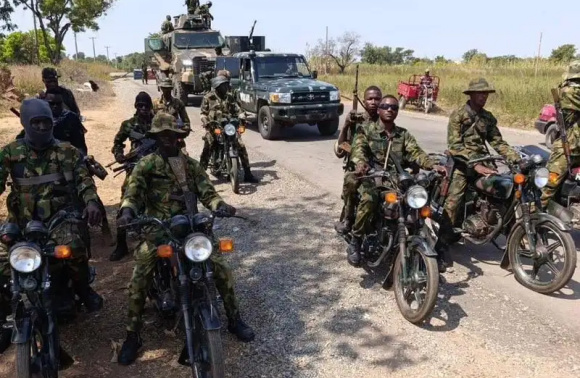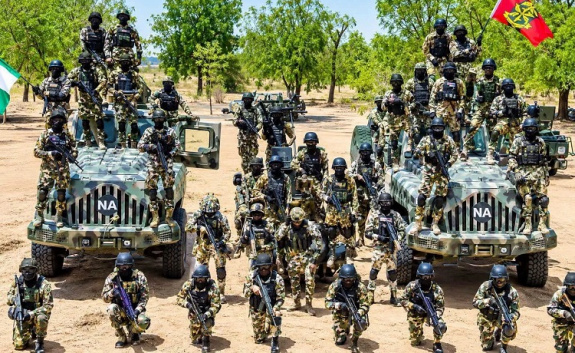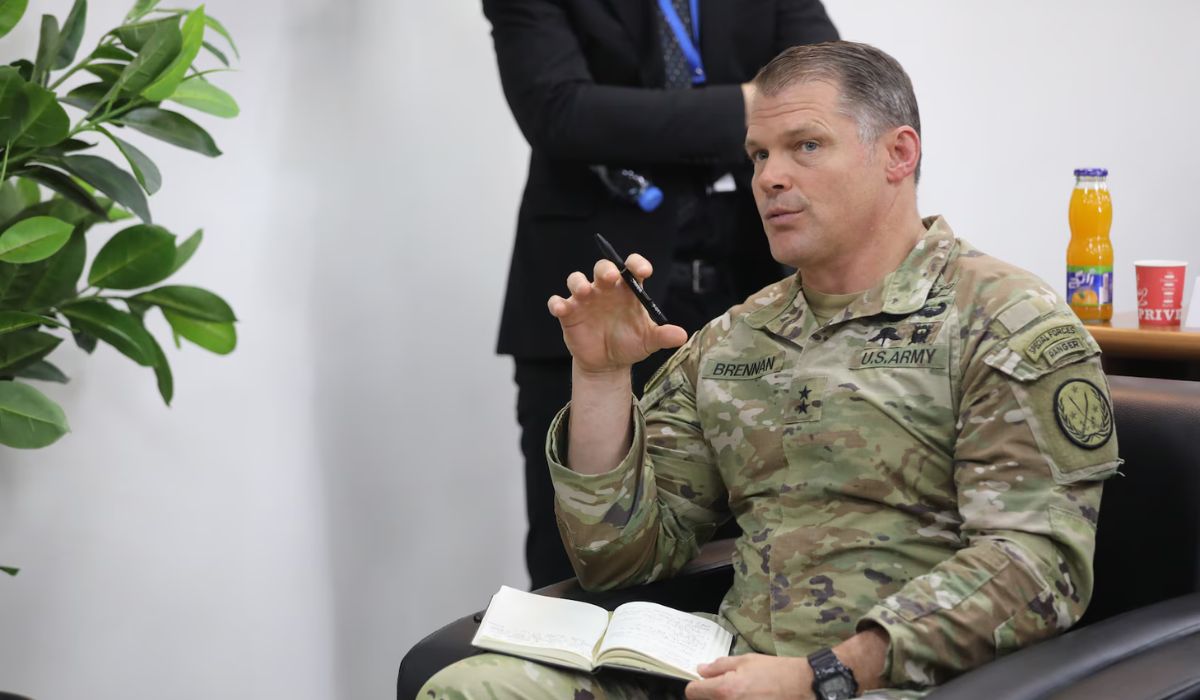



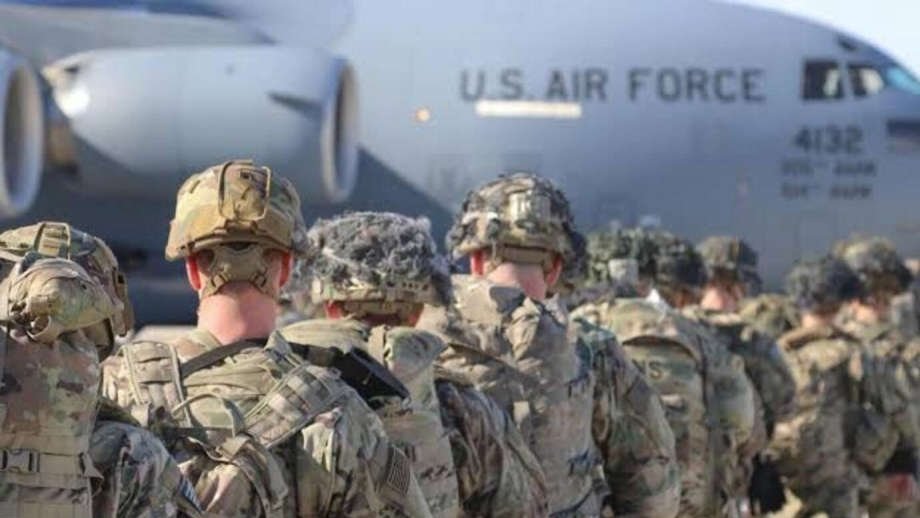
Not less than 100 United States military personnel and associated equipment have landed in Nigeria’s Bauchi Airfield as part of a defence cooperation initiative between Abuja and Washington. The arrival was confirmed in a statement by the Defence Headquarters (DHQ) in Abuja on Monday, which said the deployment came after deliberations between Nigerian and U.S. defence officials during a bilateral working group engagement.
According to Major General Samaila Uba, Director of Defence Information, the deployment followed a formal request by the Government of Nigeria to the United States for assistance in addressing specific military training needs, technical support and intelligence-sharing capabilities. The statement emphasised that the personnel are technical specialists serving purely in advisory and training roles, not as combat forces.
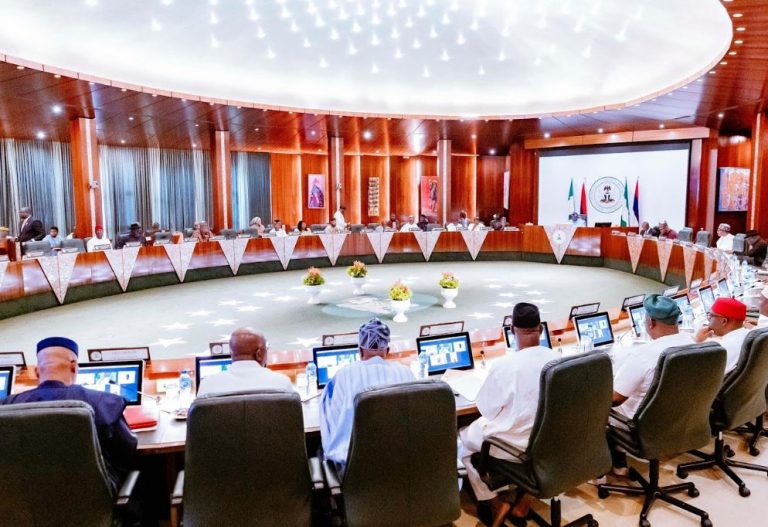
The DHQ made clear that all activities involving U.S. personnel will be conducted under the authority, direction and control of the Nigerian Government and in close coordination with the Armed Forces of Nigeria. The collaboration is designed to help strengthen Nigeria’s operational readiness and improve its ability to counter terrorist threats across the country.
Under the arrangement, Nigerian troops are expected to take part in a series of joint training exercises and intelligence-focused cooperation initiatives with the visiting U.S. advisers. These engagements are aimed at enhancing tactical proficiency, intelligence analysis and strategic planning in the fight against various armed groups operating within Nigerian territory.
Security analysts say the arrival of these personnel signals a deeper level of military cooperation between Nigeria and the United States, moving beyond sporadic aid to more structured and sustained defence assistance. Though U.S. troops will not engage in direct combat, their presence reflects a shared interest in addressing complex security challenges in the region.
The deployment comes amid years-long efforts by Nigeria to control violent extremist organisations, including Boko Haram, Islamic State West Africa Province (ISWAP) and other armed groups involved in kidnapping, banditry and terrorism. These groups have devastated large parts of northern Nigeria and continue to pose serious threats to national stability.
- 2027 Elections: OK Movement Faults NDC’s Late Campaign Preparations, Questions Grassroots Strength
 The Obi-Kwankwaso (OK) Movement has criticised the Nigeria Democratic Congress…
- Bournemouth Humiliate Manchester United 3-0 at Old Trafford as Carrick Faces Mounting Pressure
 Bournemouth delivered another painful blow to Manchester United on Sunday,…
Late last year, the United States carried out airstrikes in northwest Nigeria, with Nigerian government approval, targeting Islamic State-linked militants. That marked a notable escalation in U.S. involvement after months of cooperation at the intelligence level.
The deployment also follows a period of heightened diplomatic engagement between the two countries. In late 2025 and early 2026, tensions had risen after comments by U.S. leaders criticising Nigeria’s security response; Abuja rejected allegations that its forces were failing to protect certain communities, emphasising that its focus remains on confronting all armed threats equally.
Despite occasional political friction, Nigerian officials have maintained that additional foreign assistance is welcomed when it supports Nigeria’s own security strategy and respects the country’s sovereignty. Federal authorities have pledged to keep the public informed with timely and transparent updates about ongoing military cooperation with the United States.
For Nigeria, which is Africa’s most populous nation and a key regional power, the expanded training mission underscores both the severity of its security crisis and the importance of sustained international partnerships. With improved training, intelligence sharing and technical support, Abuja hopes to build stronger capabilities that can better protect communities and restore stability across affected regions.