




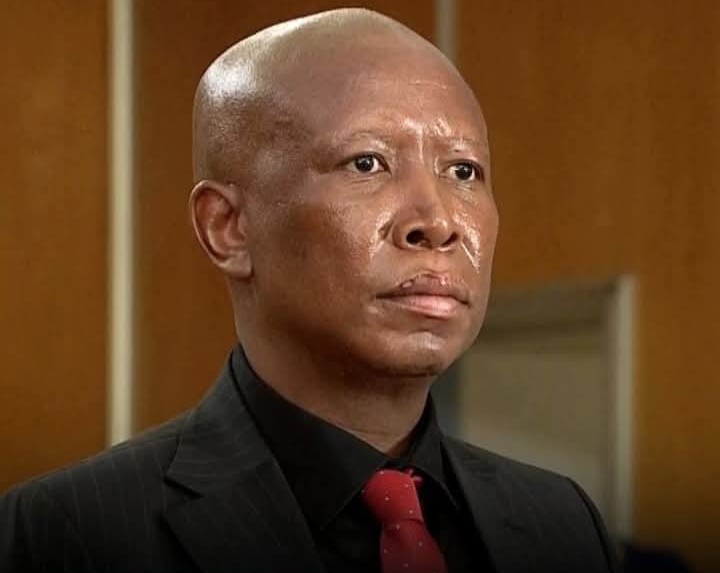
South African opposition figure Julius Malema, leader of the Economic Freedom Fighters (EFF), has been sentenced to five years in prison following his conviction on multiple firearm-related charges.
The ruling, delivered on April 16, 2026, stems from a 2018 political rally where Malema fired a rifle into the air during an event attended by thousands of supporters. The court found him guilty of offences including unlawful possession of a firearm and ammunition, discharging a weapon in a public space, and reckless endangerment.
Delivering the sentence, Magistrate Twanet Olivier emphasized the seriousness of the offence, noting that gun violence remains a critical issue in South Africa and cannot be trivialized as a celebratory act. The court rejected arguments by Malema’s defence team that the shots were harmless or symbolic.
Malema, 45, had earlier been found guilty in 2025 on five counts linked to the incident, which gained widespread attention after video footage of the rally circulated online.
Prosecutors had initially sought a harsher sentence of up to 15 years, arguing that as a prominent political leader, Malema’s actions set a dangerous precedent. However, the court opted for a five-year custodial sentence.
The EFF leader has consistently maintained that the charges are politically motivated, pointing to longstanding tensions with lobby group AfriForum, which initiated the case. His legal team has already indicated plans to appeal the ruling.
- Tragedy in Kogi: Police Corporal Allegedly Kills Female Colleague, Takes Own Life After Reported Relationship Crisis
 A tragic shooting incident involving two serving police officers has…
- Tottenham Stun Chelsea at Stamford Bridge as Palmer Sees Red and Maddison Suffers Fresh Injury Blow
 Tottenham Hotspur delivered a statement victory over London rivals Chelsea…
The development carries significant political implications. If the sentence stands after appeal, Malema could lose his eligibility to serve as a Member of Parliament, dealing a major blow to the EFF, one of South Africa’s most vocal opposition parties with strong youth backing.
Hundreds of supporters gathered outside the court during sentencing, underscoring the high political stakes and the polarizing influence Malema continues to wield in South African politics.
The case marks one of the most consequential legal setbacks in Malema’s career, reinforcing ongoing debates around political accountability, gun control, and the conduct of public office holders in South Africa.