


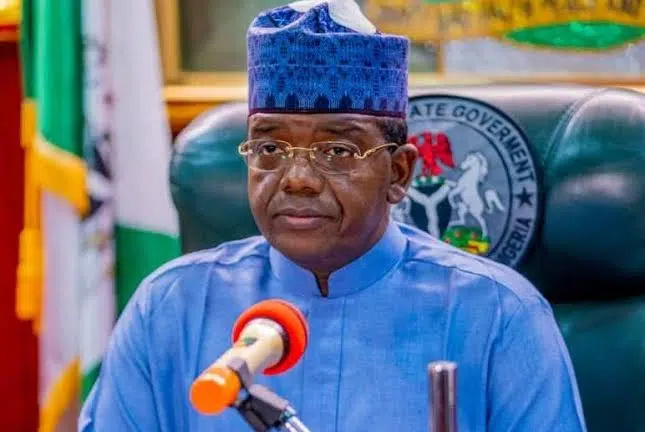
A United States lawmaker has called on President Bola Ahmed Tinubu to redeploy or remove Nigeria’s Minister of State for Defence, Bello Matawalle, citing serious concerns raised in a recent international security assessment.
The call was made by Kimberly Daniels, a member of the Florida House of Representatives and chairwoman of the United World Congress of Diplomats (UN-WCD), following renewed violence in parts of northern Nigeria.
Daniels’ position is based on findings from a report examining Nigeria’s worsening security situation, particularly attacks recorded during the 2026 Easter period in Plateau, Kaduna, and Nasarawa states. The report noted that several of the incidents targeted religious gatherings during Palm Sunday and Easter services, leading to multiple casualties.
According to the lawmaker, testimonies from local leaders and survivors reveal a growing disconnect between official assurances and the reality on the ground, with many communities still exposed to persistent violence.
Central to her recommendation are what she described as “red flags” surrounding Matawalle’s continued role in Nigeria’s defence leadership. These concerns include allegations linked to his tenure as governor of Zamfara State, questions about his security expertise, and claims of possible complicity or association with bandit groups—issues she said require urgent scrutiny.
Daniels urged the Nigerian government to undertake an immediate leadership review within the defence ministry, stressing that redeploying or removing Matawalle would help restore credibility and integrity to the country’s security architecture.
She also called for a transparent investigation into allegations of high-level complicity in banditry, alongside stronger protective measures for vulnerable communities in affected regions.
- Bournemouth Humiliate Manchester United 3-0 at Old Trafford as Carrick Faces Mounting Pressure
 Bournemouth delivered another painful blow to Manchester United on Sunday,…
- Tragedy in Kogi: Police Corporal Allegedly Kills Female Colleague, Takes Own Life After Reported Relationship Crisis
 A tragic shooting incident involving two serving police officers has…
Beyond Nigeria, the US lawmaker appealed to Washington and other international partners to increase diplomatic pressure to ensure accountability for individuals accused of enabling terrorism. She referenced ongoing legislative efforts in the United States, including support for measures that could redesignate Nigeria as a country of particular concern over religious freedom violations.
Daniels said her intervention was driven partly by appeals from Nigerians and her engagement with international diplomatic and religious communities, warning that insecurity—especially when perceived as internally enabled—poses a deeper threat to public trust and national stability.
Her remarks add to mounting scrutiny of Nigeria’s security leadership amid continued attacks in parts of the country, intensifying calls for decisive reforms to address the crisis.