

Nigeria’s electricity supply could worsen in the coming weeks following the decision by gas suppliers to halt gas deliveries to thermal power plants over an estimated N3.3 trillion debt owed within the power sector.
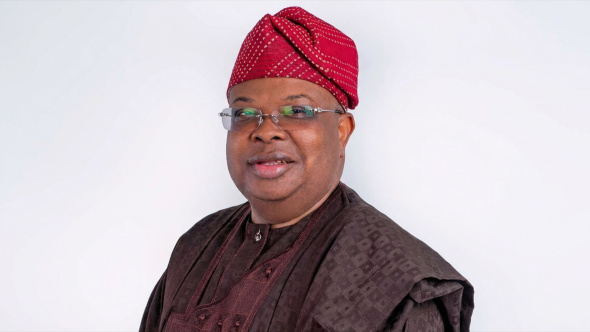
The development was disclosed by Dr. Joy Ogaji, Chief Executive Officer of the Association of Power Generation Companies (APGC), who warned that the financial crisis in the electricity value chain is threatening power generation across the country.
According to Ogaji, the debt crisis stems from long-standing payment shortfalls by the Nigerian Bulk Electricity Trading Plc (NBET), the government-backed agency responsible for purchasing electricity from generation companies (GenCos) and selling it to distribution companies (DisCos).
She explained that since the power sector was privatised in 2013, NBET has consistently failed to pay generation companies in full for electricity supplied to the national grid. As a result, the sector’s outstanding debt has accumulated to about N6.8 trillion as of early 2026.
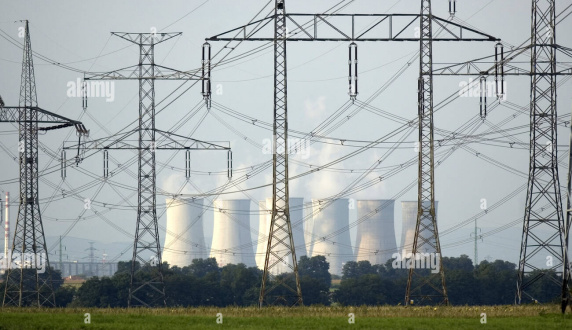
Ogaji noted that thermal power plants which depend on natural gas to generate electricity account for the majority of Nigeria’s electricity supply. She said a significant portion of the sector’s debt is owed to gas suppliers because around 70 percent of electricity generation in the country comes from gas-fired plants.
“On the grid we have about 30 power plants, and roughly 70 percent of the electricity generated comes from thermal plants that rely on gas,” she said.
She explained that when power plants invoice NBET for electricity generated, a large portion of the payment is meant for gas suppliers that provide the fuel used for generation. With NBET failing to settle the invoices fully, the unpaid obligations have cascaded through the electricity value chain, leaving gas producers owed about N3.3 trillion.
As a result, gas suppliers have reportedly informed generation companies that they will stop supplying gas unless the outstanding debts are settled, raising fears of a deeper power shortage nationwide.
- Nigeria Evacuates First Ebola Patient to Switzerland as Health Minister Confirms Medical Flight
 ABUJA, Nigeria — Nigeria’s first confirmed Ebola patient in more…
- EFCC Raids Four Illegal Lithium Plants in Ogun, Arrests 14 Chinese Nationals and Nigerian
 The Economic and Financial Crimes Commission (EFCC) has arrested 15…
Industry data also shows that Nigeria’s power generation has already been affected by declining gas supply. The Nigerian Independent System Operator reported that thermal plants require about 1,629.75 million standard cubic feet of gas per day to operate optimally, but actual supply recently dropped to about 692 million standard cubic feet per day, less than 43 percent of the required volume.
The shortage has already forced some power plants to shut down operations, while the Transmission Company of Nigeria has resorted to load shedding, distributing limited electricity among the country’s distribution companies.
Electricity distribution firms have also warned customers of persistent outages due to the gas constraints affecting power generation on the national grid.
Energy experts say the situation highlights a major contradiction in Nigeria’s energy sector, as the country possesses vast natural gas reserves yet struggles to supply enough gas to power plants needed to sustain electricity generation.
If the debt crisis remains unresolved, stakeholders warn that gas shortages could further cripple the nation’s already fragile power supply, worsening blackouts for households and businesses across the country.