



The Federal Government has indicated that it is preparing to review Nigeria’s national minimum wage, acknowledging that the current N70,000 benchmark no longer adequately reflects the country’s prevailing economic realities.
The disclosure was made by the Chief of Staff to the President, Femi Gbajabiamila, during the Good Governance Summit 2026 held in Abuja. He stated that while the N70,000 minimum wage represented a significant milestone when it was approved in 2024, persistent inflation and the rising cost of living have reduced its purchasing power, making a fresh review necessary.
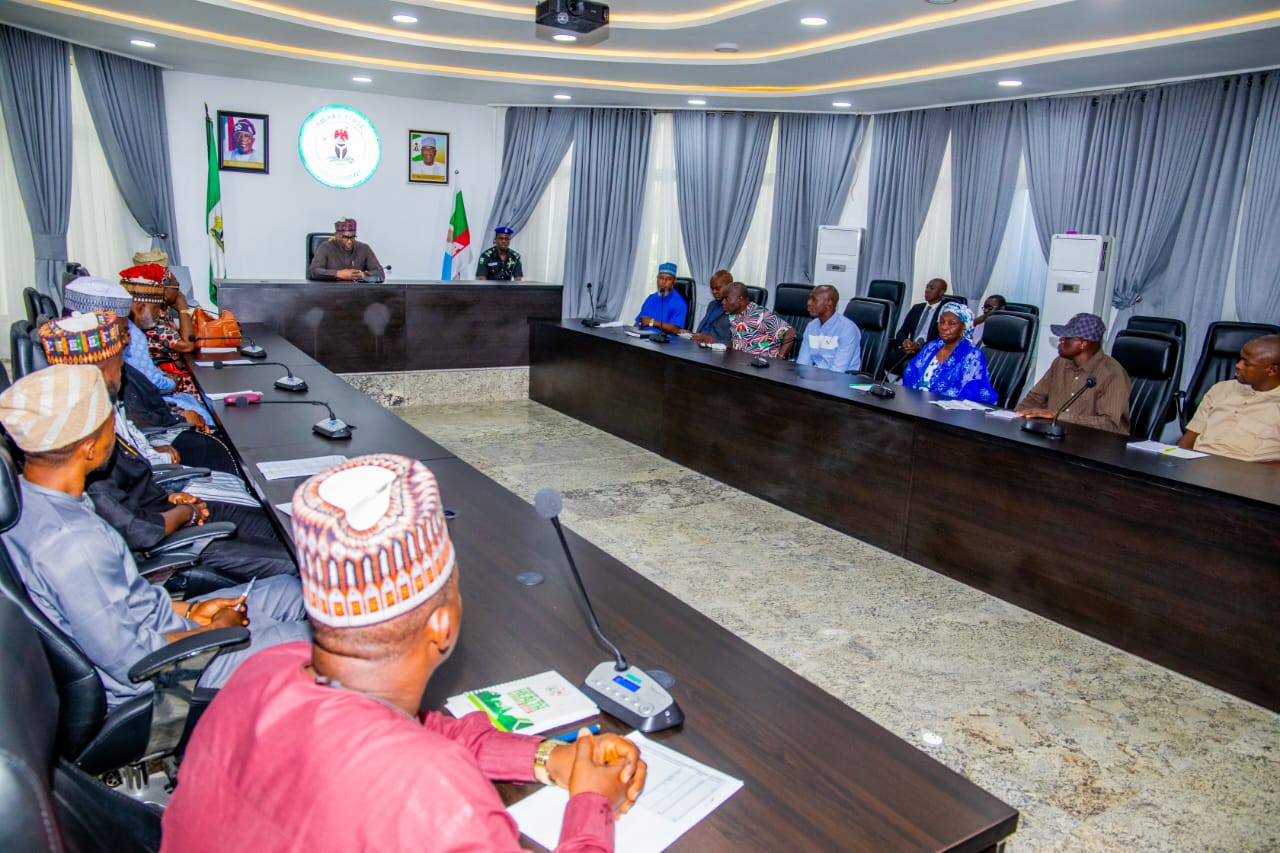
Gbajabiamila said the Federal Government recognises the financial pressures facing Nigerian workers and intends to approach the next wage review through dialogue and collaboration with organised labour.
According to him, the administration remains committed to ensuring that workers receive fair compensation that aligns with current economic conditions while balancing the country’s fiscal realities.
The N70,000 national minimum wage was signed into law by President Bola Tinubu in July 2024 following negotiations between the Federal Government, the Nigeria Labour Congress (NLC) and the Trade Union Congress (TUC). At the time, the government assured workers that the wage would be reviewed periodically to reflect changing economic conditions.
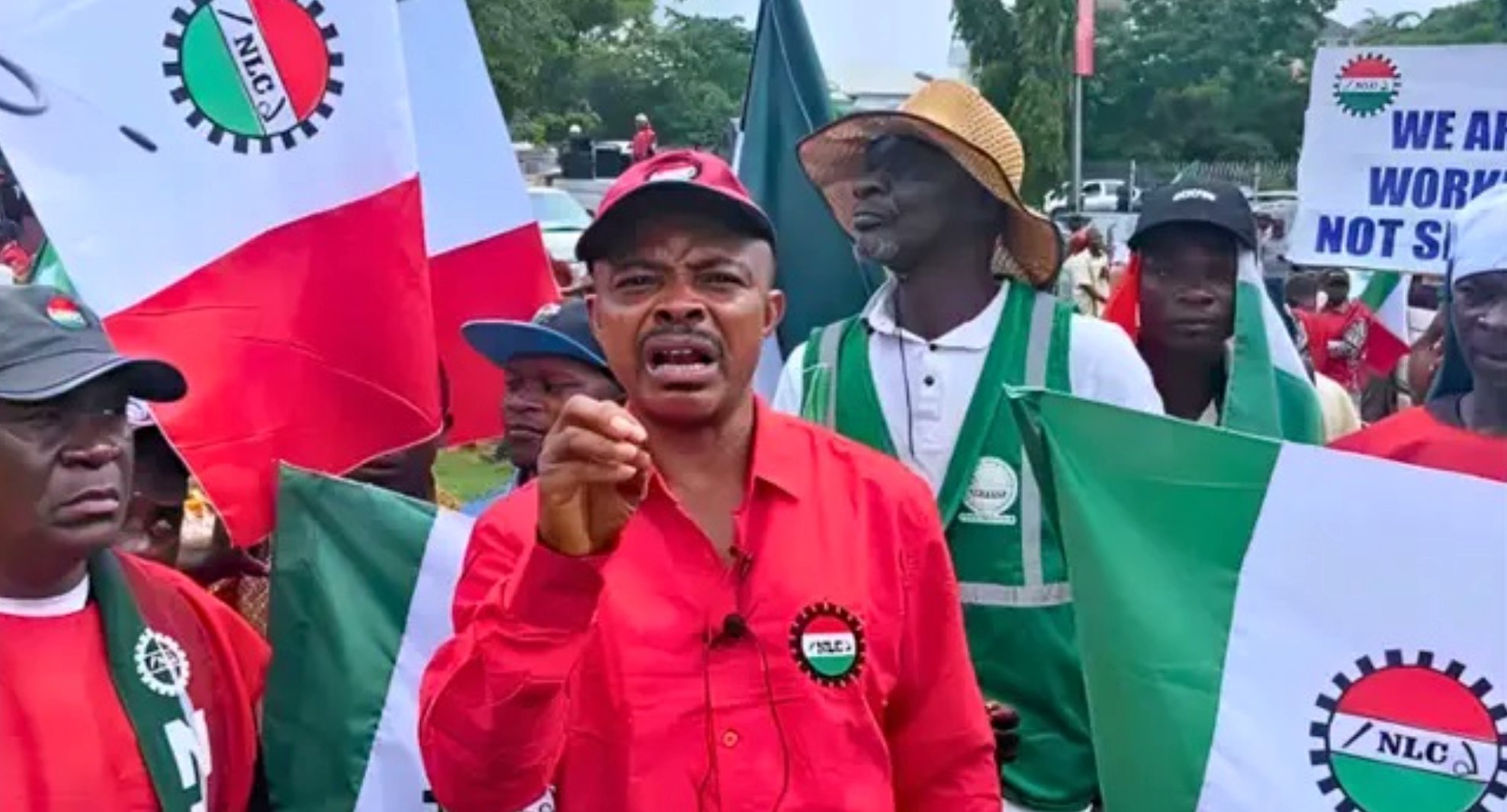
Labour unions have repeatedly argued that soaring inflation, food prices, transportation costs and other living expenses have eroded the value of the current wage, making an upward review necessary. In recent weeks, both the NLC and TUC renewed calls for negotiations on a new national minimum wage.
Although the Federal Government has confirmed that a review is being considered, no new minimum wage figure or implementation timeline has been announced. Further consultations with organised labour, state governments and other stakeholders are expected before a final decision is reached.
- Dangote Refinery’s N2.15 Trillion IPO Closes Today as Investors Make Final Push
 LAGOS, Nigeria — The highly anticipated initial public offering (IPO)…
Read More “Dangote Refinery’s N2.15 Trillion IPO Closes Today as Investors Make Final Push” »
- NCAA to Probe Airline After Passenger Reportedly Bleeds Amid Extreme Heat on Abuja–Calabar Flight
 The Nigeria Civil Aviation Authority (NCAA) is set to investigate…