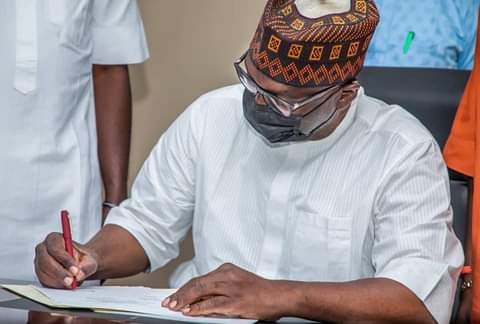




President Bola Ahmed Tinubu has directed Nigeria’s top economic managers to urgently design measures aimed at cushioning the impact of the ongoing Middle East crisis on citizens, as rising fuel prices tighten pressure on households and businesses.
The directive, conveyed in an official statement by presidential spokesman Bayo Onanuga, followed the President’s remarks during a civic reception in Yenagoa, Bayelsa State.
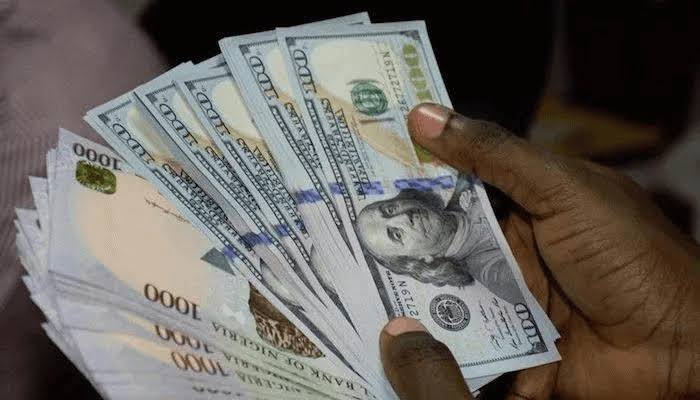
According to the Presidency, the move is a direct response to escalating geopolitical tensions in the Middle East, which have disrupted global oil markets and triggered a sharp increase in the cost of petroleum products in Nigeria. Pump prices have reportedly climbed to around ₦1,350 per litre in recent days, intensifying the cost-of-living burden on Nigerians.
Tinubu acknowledged the strain the situation is placing on citizens and emphasized the need for proactive economic interventions. The economic team—comprising key fiscal and monetary authorities—is expected to develop strategies that will ease inflationary pressures, stabilize prices, and protect vulnerable populations from further shocks.
The latest development reflects Nigeria’s exposure to global energy market volatility, despite being a major crude oil producer. Analysts note that external shocks, particularly conflicts affecting oil supply routes, often translate into higher domestic fuel costs due to Nigeria’s continued reliance on refined fuel imports.
- Dangote Refinery’s N2.15 Trillion IPO Closes Today as Investors Make Final Push
 LAGOS, Nigeria — The highly anticipated initial public offering (IPO)…
Read More “Dangote Refinery’s N2.15 Trillion IPO Closes Today as Investors Make Final Push” »
- NCAA to Probe Airline After Passenger Reportedly Bleeds Amid Extreme Heat on Abuja–Calabar Flight
 The Nigeria Civil Aviation Authority (NCAA) is set to investigate…
Recent global assessments have also linked the Middle East tensions to rising inflationary pressures in Nigeria. The crisis has contributed to higher fuel costs and broader price increases, posing risks to consumer purchasing power and poverty reduction efforts.
The President’s directive signals a continuation of his administration’s interventionist posture in managing economic headwinds, especially following earlier reforms such as the removal of fuel subsidies and currency adjustments aimed at stabilizing public finances.
While specific policy measures are yet to be announced, expectations are high that the government will unveil targeted relief mechanisms in the coming days to mitigate the ripple effects of the global crisis on Nigeria’s already fragile economic landscape.