





Nigeria is set to deploy artificial intelligence-powered surveillance systems and anti-drone technology as part of a broader effort to modernise military operations and strengthen national security architecture.
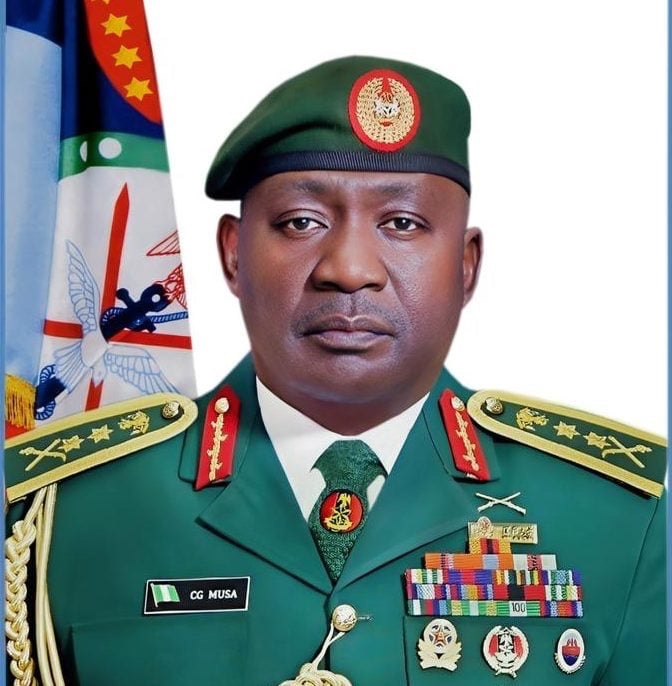
The initiative was disclosed by Nigeria’s Minister of Defence, Christopher Musa, during engagements with international defence technology partners in Europe. According to officials, the planned upgrade will introduce AI-enabled threat detection systems, anti-drone interception platforms and integrated command-and-control centres aimed at improving military response to emerging security threats.
The Federal Government said the project is expected to improve border surveillance, urban security and real-time coordination among security agencies. The AI-powered systems are designed to rapidly identify suspicious movements and security threats through advanced algorithms, while anti-drone technology will help detect, intercept and neutralise hostile unmanned aerial vehicles.
Officials also revealed plans to establish national and regional command-and-control centres to enhance communication and operational coordination during security emergencies.
The move comes amid growing concerns over the increasing use of drones by insurgent and criminal groups across parts of Africa, including the Lake Chad Basin region. Security analysts have warned that armed groups are increasingly deploying drones for surveillance, propaganda and attacks, forcing governments to strengthen counter-drone capabilities.
Nigeria has in recent months intensified efforts to develop indigenous defence technology and reduce dependence on foreign military hardware. Earlier this year, the Defence Industries Corporation of Nigeria (DICON), in partnership with technology firm UNICCON, demonstrated an integrated drone detection and defence system capable of identifying and countering aerial threats.
The Nigerian military has also backed local technology startups producing interceptor drones, battlefield intelligence software and mine-clearing unmanned vehicles for counter-insurgency operations.
- Tragedy in Kogi: Police Corporal Allegedly Kills Female Colleague, Takes Own Life After Reported Relationship Crisis
 A tragic shooting incident involving two serving police officers has…
- Tottenham Stun Chelsea at Stamford Bridge as Palmer Sees Red and Maddison Suffers Fresh Injury Blow
 Tottenham Hotspur delivered a statement victory over London rivals Chelsea…
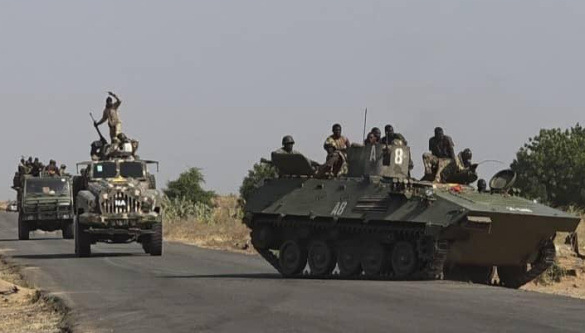
Military authorities say the adoption of modern surveillance tools, drone warfare systems and intelligence-driven operations has become necessary due to the evolving nature of terrorism, banditry and other asymmetric security threats confronting the country.
Analysts believe the latest AI and anti-drone initiative signals Nigeria’s determination to build a technology-driven defence structure capable of responding more effectively to modern warfare challenges while strengthening local defence manufacturing and technological sovereignty.