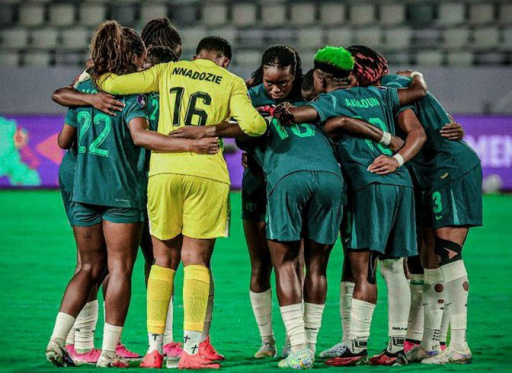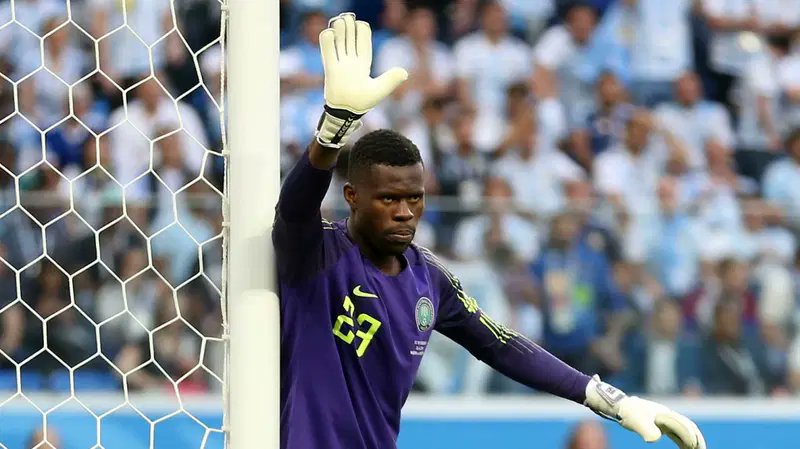

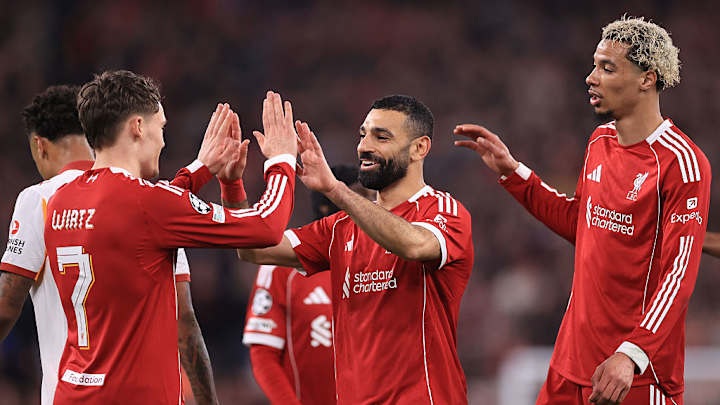


Nigeria’s national football team, the Super Eagles, have boycotted training just two days before their crucial World Cup playoff clash, protesting against unpaid bonuses and allowances owed by the Nigeria Football Federation (NFF). The 24-man squad and technical crew reportedly refused to show up for Tuesday’s training session in Rabat, Morocco, where they are camped ahead of their first-leg encounter against Gabon.
Reports indicate that the dispute centers on long-standing financial obligations dating as far back as 2021, including bonuses from the 2023 Africa Cup of Nations (AFCON) and recent 2026 World Cup qualifiers. According to team insiders, the players and officials have repeatedly appealed to the NFF to settle these debts, but their concerns have gone unresolved, prompting the latest protest.
₦5k can open classroom doors.
ToyinOlomo Int’l Foundation | FCMB | 7616705014
Sources close to the team revealed that frustration had been brewing for weeks, as the federation allegedly made promises of payment before the playoffs that were not fulfilled. The players, after a closed-door meeting on Monday night, collectively decided to suspend training until their allowances and match bonuses were cleared. The technical staff, in solidarity, also joined the boycott.
The development comes at a highly sensitive time for the Super Eagles, whose preparation for the decisive playoff match is now in jeopardy. The team was scheduled to have a tactical training session and a closed-door practice game on Tuesday evening, both of which were canceled due to the protest. Team morale, sources say, is low, and uncertainty looms over whether the situation will be resolved before Thursday’s match.
- Nigeria’s First Ebola Patient Identified as Wife of Swiss Diplomat as Authorities Probe Source of Infection
 Nigeria’s latest Ebola case has been traced to a 42-year-old…
- MURIC Seeks Police Probe into Alleged Killing of Man Inside Oyo Mosque
 The Muslim Rights Concern (MURIC) has petitioned the police over…
Read More “MURIC Seeks Police Probe into Alleged Killing of Man Inside Oyo Mosque” »
This is not the first time the Super Eagles have been caught in a pay-related dispute. Similar episodes occurred before previous international tournaments, including the 2014 FIFA World Cup in Brazil, when players threatened to boycott training over unpaid bonuses. Critics have blamed poor financial management and lack of accountability within the NFF for the recurring crisis.
Public reaction to the incident has been mixed. While many Nigerians have condemned the timing of the boycott, urging the players to prioritize national pride, others argue that the players have every right to demand what is duly owed to them. Social media platforms have been flooded with comments, with fans calling on the federal government to intervene and ensure that players’ welfare is treated with the seriousness it deserves.
As of Wednesday morning, the NFF had not released an official statement addressing the ongoing standoff. Efforts to reach the federation’s spokesperson for clarification were unsuccessful, though sources within the football body suggest that emergency meetings are being held to find a quick resolution. It remains unclear whether funds have been made available to settle the arrears or if further negotiations are underway.
Analysts fear that the disruption could affect the team’s focus and physical readiness, especially given the short window before the playoff match. The Super Eagles are under immense pressure to qualify for the 2026 World Cup after missing out on the last edition in Qatar. Any setback at this stage could dampen the country’s hopes and spark another wave of criticism against the NFF.
The ongoing impasse has also reignited calls for a total reform of Nigeria’s football administration. Observers say the repeated financial disputes between the federation and players reflect deeper systemic failures that require urgent overhaul. Many are urging the Ministry of Sports to take firmer oversight roles to prevent future crises that could damage Nigeria’s sporting reputation.
With the clock ticking towards the playoff showdown, Nigerians are watching closely to see how swiftly the NFF can resolve the crisis. The coming hours will determine whether the Super Eagles can return to training, rebuild morale, and focus on securing victory. For now, the spotlight remains on the federation’s ability to handle the crisis and restore trust between players and administrators ahead of a match that could shape the future of Nigerian football.