




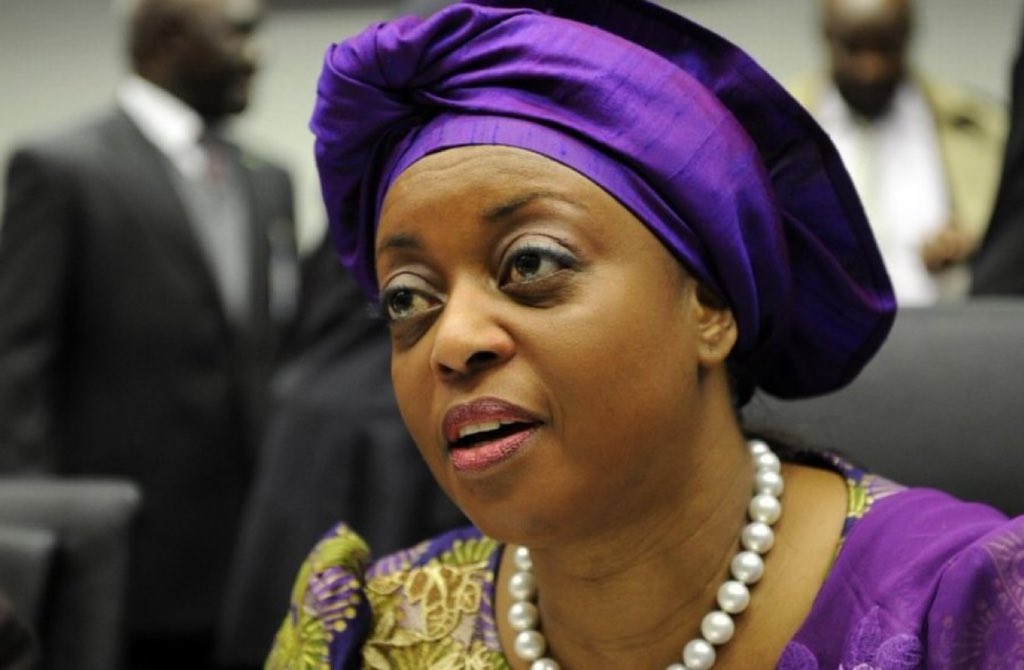
Former Nigerian Minister of Petroleum Resources, Diezani Alison-Madueke, has been acquitted of all six bribery charges brought against her by British prosecutors, bringing to a close one of the most closely watched international corruption trials involving a former Nigerian public official.
The verdict was delivered on Wednesday at London’s Southwark Crown Court after jurors spent more than 46 hours deliberating on the case, which stemmed from a lengthy investigation by United Kingdom authorities that began over a decade ago.
Alison-Madueke, who served as Nigeria’s petroleum minister between 2010 and 2015 under former President Goodluck Jonathan, had faced five counts of accepting bribes and one count of conspiracy to commit bribery. Prosecutors alleged that she received luxury benefits, including access to high-end properties, private jet travel, chauffeur-driven vehicles, designer shopping and other expensive perks from oil industry figures seeking business advantages in Nigeria’s petroleum sector.
Throughout the trial, Alison-Madueke consistently denied the allegations, maintaining that she neither solicited nor accepted bribes during her tenure in office. She argued that she had limited influence over the award of oil contracts and that many of the expenses highlighted by prosecutors were either reimbursed through official channels or paid personally.
The case attracted significant international attention because of Alison-Madueke’s prominent role in Nigeria’s oil industry and her historic position as the first woman to serve as president of the Organization of the Petroleum Exporting Countries. It also formed part of broader anti-corruption investigations conducted in multiple jurisdictions, including the United Kingdom and the United States.
The jury also acquitted co-defendants Olatimbo Ayinde and Doye Agama, who had faced related bribery charges and conspiracy allegations connected to the case.
Following the verdict, Alison-Madueke’s legal team welcomed the decision, stating that the former minister had endured years of scrutiny and legal battles and was now free to resume her public and private life. British authorities had not immediately issued a detailed response to the acquittal at the time of reporting.
The outcome represents a significant setback for British prosecutors and investigators who spent years pursuing the case. It also marks the conclusion of a legal saga that has remained a major point of discussion in debates surrounding governance, accountability and corruption within Nigeria’s oil sector.
- Tinubu Flags Off $100m Southeast Gas Pipeline Project to Boost Industrial Growth
 President Bola Tinubu has flagged off a $100 million gas…
Read More “Tinubu Flags Off $100m Southeast Gas Pipeline Project to Boost Industrial Growth” »
- NCC Raises Alarm Over AI-Powered Cyberattacks, Warns of Threats to Telecoms, Banks and National Security
 The Nigerian Communications Commission (NCC) has warned that the growing…