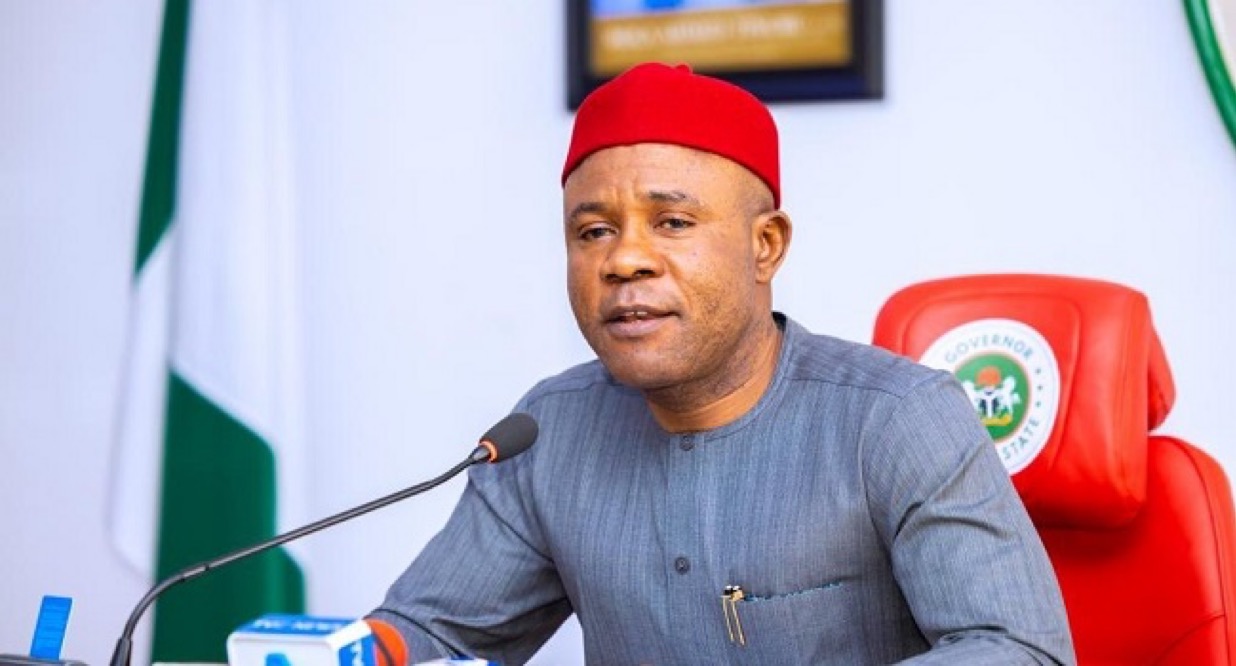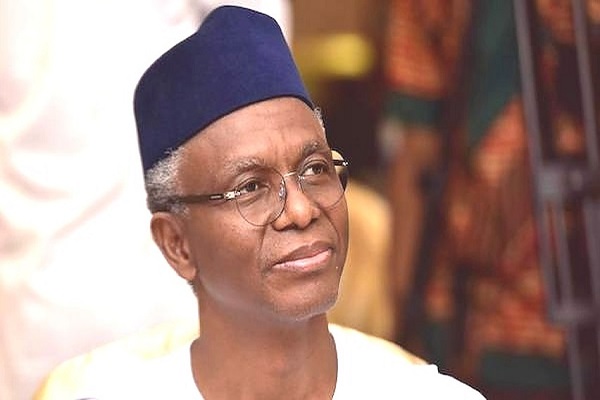







A significant shift may be brewing within Nigeria’s opposition political landscape as former Obidient movement figure and youth mobiliser, Isaac Balami, has declared plans to transfer a substantial portion of his political structure to the ruling All Progressives Congress (APC).
Balami, who previously served as a key figure within the Obidient movement aligned with Peter Obi, disclosed that over 70 percent of his political base could soon align with the APC. His declaration marks a dramatic pivot for a figure who, in 2022, exited the APC in protest and joined the Labour Party, citing concerns over governance and national inclusivity.
In his latest remarks, Balami also extended congratulations to Nentawe Yilwatda, reaffirming confidence in the party’s current leadership and direction. Yilwatda, who emerged as APC national chairman in 2025, has consistently attributed the party’s growing strength to grassroots mobilisation, internal cohesion, and organisational discipline.
Balami’s vow is not an isolated political statement but reflects a broader trend of realignments ahead of the 2027 general elections. The APC has, in recent months, witnessed a steady influx of defectors from opposition parties, including the Labour Party and the Peoples Democratic Party (PDP), a development the party leadership attributes to its perceived organisational superiority and governance record.
Political analysts note that Balami’s influence, particularly among northern youth networks and segments of the Obidient movement, could have immeasurable implications if such a large-scale shift materialises. His earlier role in mobilising youth support for both APC and later the Obidient movement underscores his capacity as a political organiser.
Balami’s political trajectory has been marked by high-profile transitions. After playing a role in youth mobilisation for the APC in earlier election cycles, he defected in 2022 to join the Obidient movement, aligning with calls for reform and alternative leadership.
- Tinubu Flags Off $100m Southeast Gas Pipeline Project to Boost Industrial Growth
 President Bola Tinubu has flagged off a $100 million gas…
Read More “Tinubu Flags Off $100m Southeast Gas Pipeline Project to Boost Industrial Growth” »
- NCC Raises Alarm Over AI-Powered Cyberattacks, Warns of Threats to Telecoms, Banks and National Security
 The Nigerian Communications Commission (NCC) has warned that the growing…
His latest pronouncement, therefore, represents a full-circle moment, suggesting either a reassessment of political strategy or a response to shifting political realities within Nigeria’s opposition space.
Under Yilwatda’s leadership, the APC has continued to emphasise grassroots expansion, digital membership systems, and internal party reforms as drivers of its dominance. The party maintains that its appeal cuts across demographics, with increasing support among youths, professionals, and rural communities.
Yilwatda has also dismissed concerns about Nigeria drifting toward a one-party state, insisting that the movement of politicians into the APC is a function of political competition rather than coercion.
Balami’s statement introduces a new variable into Nigeria’s evolving political equation. If executed, the proposed migration of Obidient-aligned structures could weaken opposition cohesion while strengthening APC’s grassroots machinery ahead of the next electoral cycle.
Whether this declaration translates into actual political movement remains to be seen. However, it unmistakably signals intensifying competition for influence, structure, and voter alignment as Nigeria inches closer to the 2027 elections.