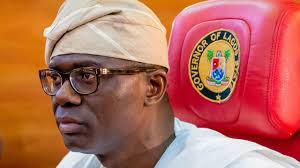


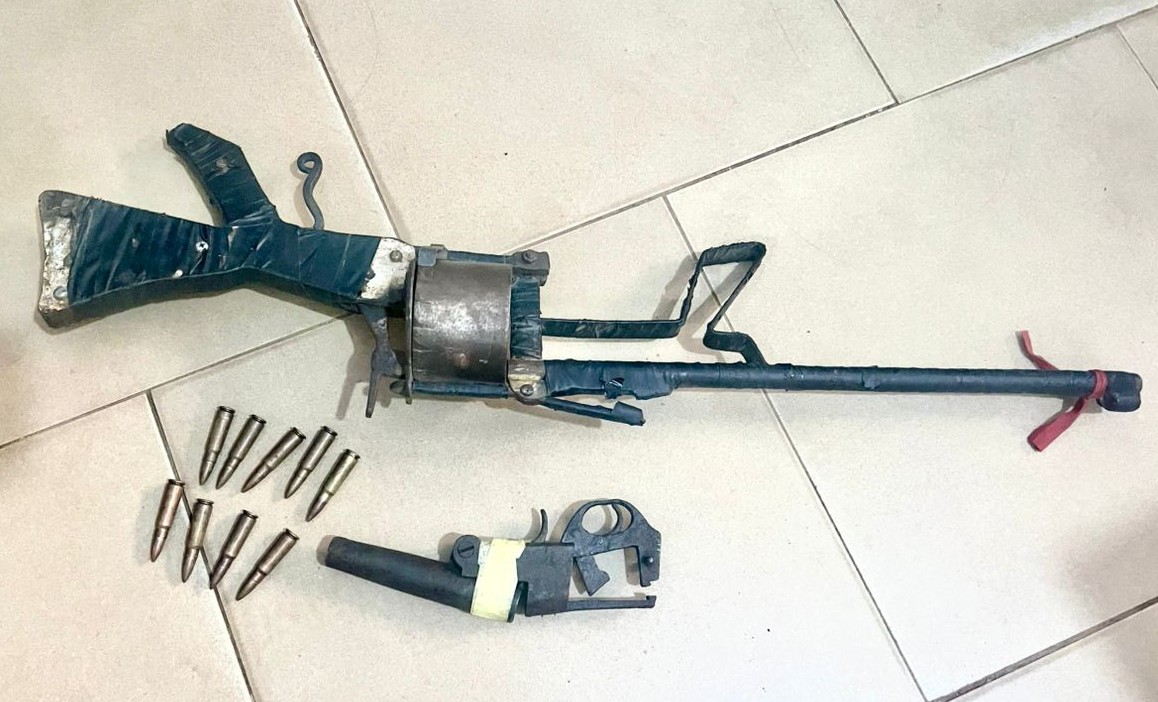


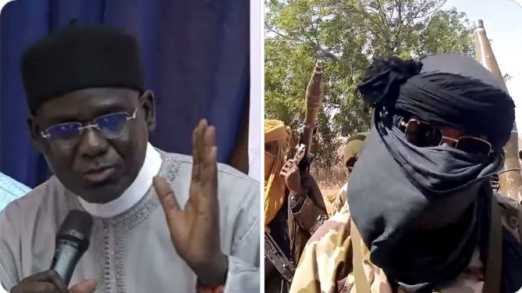
Former Chief of Army Staff, Lt.-Gen. Tukur Buratai (retd.), has raised fresh concerns over Nigeria’s worsening security situation, warning that senior political office holders could become direct targets of bandits, kidnappers, and insurgent groups if the country’s insecurity is not decisively addressed.
Buratai issued the warning while speaking on the state of national security, stressing that the threat posed by armed criminal groups continues to evolve beyond attacks on rural communities and vulnerable citizens. According to him, the persistent activities of terrorists, bandits, and kidnappers have the potential to escalate to a point where high-profile government officials, including ministers, senators, and governors, may no longer be insulated from direct attacks.
The retired Army chief noted that insecurity should not be viewed as a challenge affecting only certain regions or social groups. He argued that if criminal networks continue to expand unchecked, the consequences could reach the highest levels of political leadership and governance.
Buratai, who served as Nigeria’s Chief of Army Staff from 2015 to 2021, reiterated his long-held position that insurgency and banditry require a comprehensive, long-term national strategy. He recalled earlier warnings that the security crisis could persist for many years if decisive and coordinated action was not taken.
He emphasized that military operations alone cannot completely eliminate the threat. According to him, defeating terrorism and banditry requires the collective efforts of government institutions, security agencies, community leaders, the media, and ordinary citizens. He called for a nationwide mobilization similar to the coordinated response witnessed during major national emergencies.
The warning comes amid renewed debates over Nigeria’s security architecture following recent attacks in several parts of the country. Security concerns have also prompted calls from lawmakers for stronger measures against armed groups and their financiers.
Analysts say Buratai’s remarks highlight growing fears that the country’s security challenges could become even more complex if criminal organizations continue to strengthen their operational capabilities. They argue that sustained intelligence gathering, improved coordination among security agencies, and stronger action against sponsors of terrorism remain critical to reversing the trend.
As Nigeria continues to confront insurgency, banditry, and kidnapping, Buratai’s warning serves as a reminder that insecurity is a national challenge whose consequences could eventually affect every level of society, including those occupying the highest public offices.
- Nigeria’s First Ebola Patient Identified as Wife of Swiss Diplomat as Authorities Probe Source of Infection
 Nigeria’s latest Ebola case has been traced to a 42-year-old…
- MURIC Seeks Police Probe into Alleged Killing of Man Inside Oyo Mosque
 The Muslim Rights Concern (MURIC) has petitioned the police over…
Read More “MURIC Seeks Police Probe into Alleged Killing of Man Inside Oyo Mosque” »