




The National Economic Council (NEC) has endorsed a 90-day economic action plan aimed at easing Nigeria’s cost-of-living crisis, improving food affordability and ensuring that the benefits of ongoing economic reforms translate into tangible improvements in citizens’ lives.
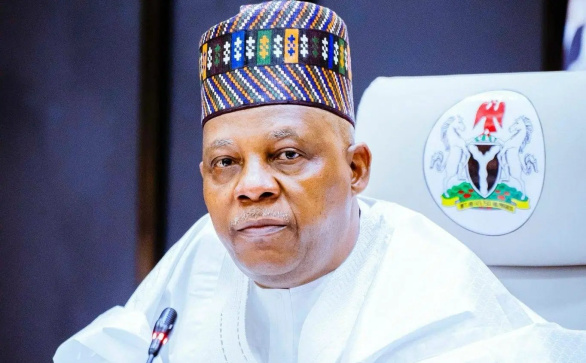
The decision was reached during the Council’s 161st meeting, held virtually on Thursday, October 22, 2026, and chaired by Vice President Kashim Shettima. The plan was presented by the Minister of Finance and Coordinating Minister of the Economy, Taiwo Oyedele, as part of efforts to consolidate the gains of President Bola Tinubu’s economic reform programme.
The initiative comes amid sustained concerns over the high cost of essential commodities and the financial pressures facing households and businesses across the country. Although the Federal Government has defended its economic reforms as necessary for long-term stability, many Nigerians continue to struggle with the rising cost of food, transportation and other basic necessities.
According to details released after the meeting, the proposed 90-day plan will concentrate on five priority areas: improving food affordability, harmonising taxes, completing high-impact projects, removing obstacles to investment and providing regulated support to households. These measures are intended to strengthen economic activity while directing greater attention towards the immediate needs of ordinary Nigerians.
A major component of the initiative is the proposed national dashboard for monitoring ongoing projects across the federation. NEC approved the tracking mechanism to promote transparency, strengthen accountability and provide more accurate information on how funds, including proceeds from the removal of petrol subsidies, are being utilised. The system is expected to help government and the public assess whether spending commitments are producing measurable results.
Oyedele expressed optimism about the direction of the economy and the prospects for further recovery. Among the policy objectives highlighted during his presentation was a reduction in headline inflation and interest rates to single-digit levels by 2027. He stressed the importance of coordinated action by federal and state authorities to translate broader economic improvements into meaningful benefits for households and businesses.
Shettima, in his remarks, charged state governors and relevant public institutions to ensure that economic reforms deliver practical improvements in living conditions. He identified affordable transportation, accessible healthcare, employment opportunities and greater financial security as essential outcomes by which the success of government policies should be judged. He also emphasised that cooperation between the different tiers of government would be crucial to achieving these objectives.
The Vice President also called for greater attention to the affordability of public transportation under the National Affordable Compressed Natural Gas Transit Programme. NEC resolved to establish a joint financing framework involving the Federal Government and state governments to accelerate the deployment of compressed natural gas and electric vehicles. The Council further agreed to constitute a committee to coordinate the initiative and engage transport unions and operators to ensure that savings from alternative-energy vehicles are reflected in lower fares for commuters.
Beyond economic policy, the Council considered other issues affecting national welfare, including public health preparedness, polio eradication and livestock development. Following a briefing by the Minister of Health and Social Welfare, Professor Muhammad Ali Pate, NEC urged states to strengthen their preparedness and response mechanisms against Ebola. It also called for improved immunisation coverage, timely release of counterpart funding and closer cooperation among state governments, traditional institutions and security agencies to support polio eradication efforts.
The endorsement of the 90-day plan marks another policy commitment by the Tinubu administration to address the economic pressures confronting Nigerians. However, the announcement does not, by itself, establish that food prices, transport fares or household expenses will fall within the next three months. The plan’s success will ultimately depend on the details of its implementation, the speed with which federal and state governments act on their commitments, and whether the interventions deliver measurable relief to citizens. For millions of households facing difficult financial choices, the central expectation is clear: economic reforms must produce tangible improvements in daily life, not merely better indicators on government reports.
- Tinubu Flags Off $100m Southeast Gas Pipeline Project to Boost Industrial Growth
 President Bola Tinubu has flagged off a $100 million gas…
Read More “Tinubu Flags Off $100m Southeast Gas Pipeline Project to Boost Industrial Growth” »
- NCC Raises Alarm Over AI-Powered Cyberattacks, Warns of Threats to Telecoms, Banks and National Security
 The Nigerian Communications Commission (NCC) has warned that the growing…