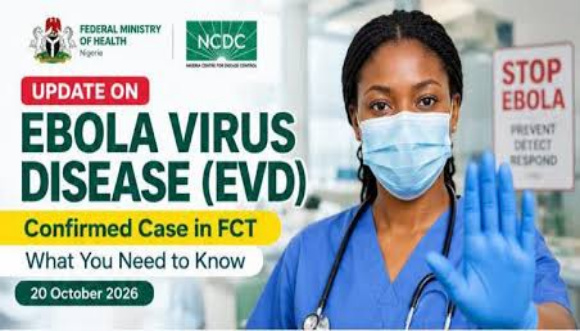


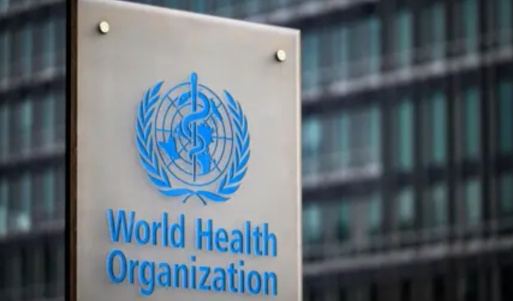
Former Nigeria Centre for Disease Control (NCDC) Director-General and current senior official at the World Health Organization (WHO), Dr. Chikwe Ihekweazu, has cautioned that Nigeria may face significant challenges containing a future Ebola outbreak if longstanding weaknesses in the country’s healthcare system are not addressed.
His warning comes at a time when health authorities across Africa are closely monitoring ongoing Ebola outbreaks in parts of Central and East Africa, particularly in the Democratic Republic of Congo (DRC) and Uganda, where the disease continues to pose serious public health concerns.
According to Ihekweazu, effective containment of Ebola depends heavily on strong healthcare infrastructure, rapid disease detection systems, well-equipped medical facilities, trained health personnel, and public confidence in health institutions. He noted that countries with fragile healthcare systems often struggle to identify and isolate cases quickly enough to prevent wider transmission.
The WHO official stressed that Nigeria must continue investing in disease surveillance, laboratory capacity, emergency response mechanisms, and healthcare workforce development to reduce the risk posed by highly infectious diseases such as Ebola.
Recent assessments by Nigerian health authorities have already highlighted concerns about the country’s preparedness level. The Director-General of the Nigeria Centre for Disease Control and Prevention (NCDC), Dr. Jide Idris, recently disclosed that Nigeria is only about 59 percent prepared for a potential Ebola outbreak, despite ongoing efforts to strengthen surveillance and response systems.
The NCDC has also warned healthcare workers nationwide to remain vigilant, describing the risk of Ebola importation into Nigeria as high due to increased international travel, cross-border movement, and continuing outbreaks in neighbouring regions. However, the agency has clarified that no confirmed Ebola case linked to the current outbreaks has been recorded in Nigeria as of late May 2026.
Public health experts have repeatedly emphasized that Ebola outbreaks become harder to contain when health systems are underfunded or lack adequate personnel and equipment. Global health agencies are also expressing concern about the current outbreak in the DRC, which has been complicated by insecurity, limited resources, and difficulties in tracking contacts of infected individuals.
Ihekweazu’s remarks serve as a reminder of the lessons learned from previous Ebola outbreaks in West Africa, where early detection, swift intervention, and coordinated public health responses proved critical in preventing widespread transmission.
As health authorities continue preparedness efforts, experts maintain that strengthening Nigeria’s healthcare system remains one of the most important safeguards against future infectious disease emergencies.
- Tottenham Stun Chelsea at Stamford Bridge as Palmer Sees Red and Maddison Suffers Fresh Injury Blow
 Tottenham Hotspur delivered a statement victory over London rivals Chelsea…
- AFCOM-HS: New Military Medical College Listed on JAMB Portal for 2026/2027 Admission
 The Armed Forces College of Medicine and Health Sciences (AFCOM-HS),…
Read More “AFCOM-HS: New Military Medical College Listed on JAMB Portal for 2026/2027 Admission” »