



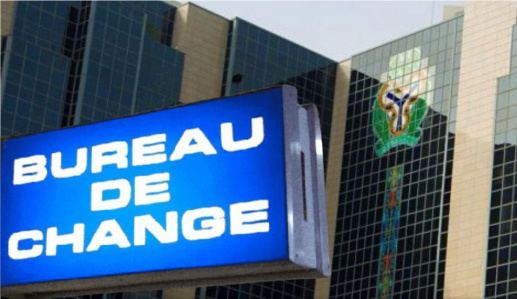
The Central Bank of Nigeria (CBN) has introduced a new set of operational guidelines for Bureau De Change (BDC) operators, unveiling a centralized electronic platform that will monitor foreign exchange purchases in real time as part of efforts to strengthen transparency and compliance in the retail foreign exchange market.
The new framework, contained in a circular dated July 15, 2026, was signed by the Director of the CBN’s Trade and Exchange Department, Aderinola Shonekan, and takes immediate effect for all authorised dealer banks and licensed BDC operators. It builds on the apex bank’s earlier policy allowing BDCs to purchase foreign exchange through authorised dealer banks in the Nigerian Foreign Exchange Market (NFEM).
At the heart of the new measures is the FX BDC Purchase Tracker (FXBT), an electronic portal through which all requests for foreign exchange purchases must now be processed. The platform is designed to provide the CBN with transaction-level visibility from the point of request through approval, settlement and eventual sale, helping to curb abuse and improve regulatory oversight.
Under the guidelines, only BDCs holding valid and active CBN licences will be eligible to access foreign exchange through the framework. Operators whose licences have been suspended or restricted will remain ineligible until the sanctions are lifted.
The CBN also directed authorised dealer banks to carry out enhanced Know-Your-Customer (KYC) and due diligence checks before processing any foreign exchange transaction for BDCs. Banks must maintain updated corporate records, beneficial ownership information and other regulatory documents, while reviewing customers’ records at least once annually or whenever significant changes occur.
In addition, the regulator reaffirmed that BDCs may purchase foreign exchange from any authorised dealer bank of their choice, prohibiting banks from imposing exclusivity arrangements, referral fees or any restrictions that could limit operators’ freedom to select their preferred banking partners.
The operational guidance retains the existing weekly foreign exchange purchase ceiling of $150,000 per BDC. Banks are required to acknowledge purchase requests within two business hours and must provide reasons for any rejection, including incomplete documentation, exhaustion of the weekly allocation limit or unresolved compliance concerns.
The apex bank also introduced stricter settlement procedures, directing that all foreign exchange transactions between banks, BDCs and their customers must pass through registered settlement accounts maintained with licensed financial institutions. Third-party transactions have been expressly prohibited.
Furthermore, the CBN ordered that any foreign exchange purchased but left unused after the approved utilisation period must be sold back into the Nigerian Foreign Exchange Market within 24 hours. Failure to comply could attract sanctions, including forfeiture of the unused funds and suspension of the operator’s access to the market.
Licensed BDCs will also be required to continue filing weekly electronic returns detailing foreign exchange purchases, sales, unused balances and settlement records, while the CBN said it would conduct both on-site and off-site compliance inspections to ensure adherence to the new rules.
The central bank said violations of the new operational framework could attract sanctions under the Banks and Other Financial Institutions Act (BOFIA) 2020 and the Foreign Exchange Act, including financial penalties, suspension of market access, withdrawal of operating licences and possible referral to law enforcement agencies where criminal infractions are suspected.
- Bournemouth Humiliate Manchester United 3-0 at Old Trafford as Carrick Faces Mounting Pressure
 Bournemouth delivered another painful blow to Manchester United on Sunday,…
- Tragedy in Kogi: Police Corporal Allegedly Kills Female Colleague, Takes Own Life After Reported Relationship Crisis
 A tragic shooting incident involving two serving police officers has…