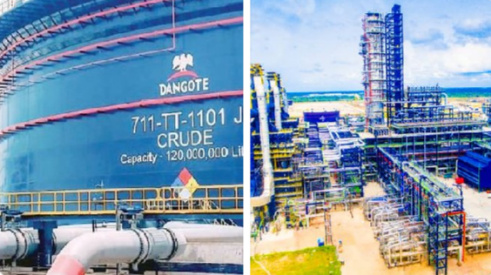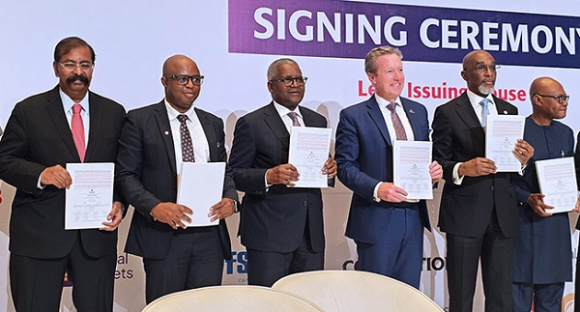




Africa’s largest industrial conglomerate, Dangote Industries Limited, has entered into a landmark $4.2 billion gas supply agreement with Chinese energy firm GCL Group to power a major fertiliser production facility in Ethiopia.
The long-term deal, signed in Lagos, spans 25 years and will guarantee a steady supply of natural gas to a planned urea fertiliser complex with an annual production capacity of three million tonnes.
The fertiliser plant, valued at about $2.5 billion, is being developed as a joint venture between Dangote Group, which holds a 60 percent stake, and Ethiopian Investment Holdings (EIH), the country’s sovereign investment arm with 40 percent equity. The facility is expected to commence operations by 2029.
Located in Gode in Ethiopia’s Somali Region, the project is set to become the largest fertiliser production hub in East Africa upon completion. It is designed to meet Ethiopia’s current urea demand and supply surplus output to neighbouring countries, reducing the region’s dependence on imports.
Under the agreement, GCL Group will source natural gas from the Calub gas field in the Ogaden Basin and transport it to the plant through a dedicated 108-kilometre pipeline. The integrated arrangement links upstream gas extraction with downstream fertiliser production, forming a complete energy-to-agriculture value chain.
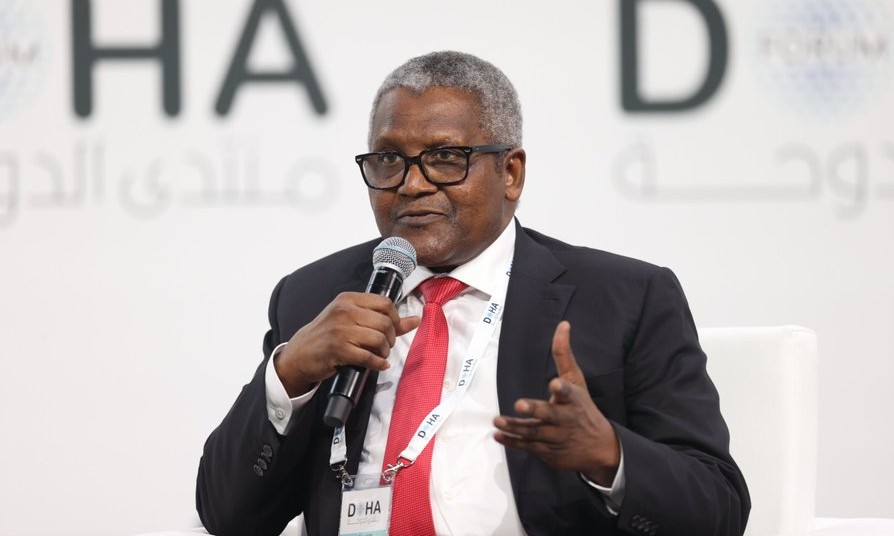
Dangote Group President, Aliko Dangote, described the partnership as a strategic move toward industrial self-sufficiency in Africa, stressing the need for the continent to process its natural resources locally rather than export raw materials.
- Tragedy in Kogi: Police Corporal Allegedly Kills Female Colleague, Takes Own Life After Reported Relationship Crisis
 A tragic shooting incident involving two serving police officers has…
- Tottenham Stun Chelsea at Stamford Bridge as Palmer Sees Red and Maddison Suffers Fresh Injury Blow
 Tottenham Hotspur delivered a statement victory over London rivals Chelsea…
GCL Chairman Zhu Gongshan also highlighted the deal as a milestone in China–Africa industrial cooperation, noting that it would unlock opportunities across Ethiopia’s energy, chemical, and agricultural sectors.
The project is widely seen as a transformative investment that could boost agricultural productivity, create jobs, and strengthen food security across East Africa by ensuring reliable fertiliser supply.
When combined with the fertiliser plant investment, the overall financial commitment tied to the project is estimated at approximately $6.7 billion, underscoring its scale and strategic importance to regional economic development.