



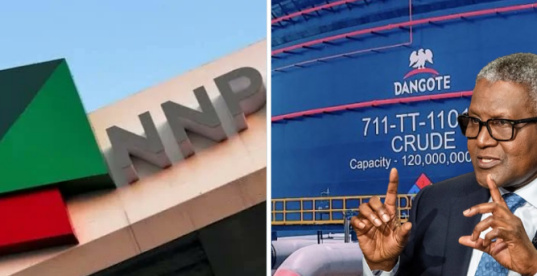

Nigeria’s Dangote Petroleum Refinery has entered the European energy supply chain with exports of aviation fuel to the United Kingdom, signaling a major shift in global fuel dynamics amid worsening supply shortages.
The development comes as Europe, particularly the UK, grapples with tightening jet fuel availability triggered by disruptions in traditional supply routes linked to ongoing geopolitical tensions in the Middle East. The crisis has significantly curtailed flows through the Strait of Hormuz—an artery responsible for a substantial share of global petroleum shipments—forcing buyers to seek alternative sources.
Industry data indicate that the UK has historically depended on the Middle East for nearly half of its aviation fuel imports. However, reduced access has accelerated diversification efforts, with West Africa—led by Nigeria’s Dangote refinery—emerging as a viable supplier.
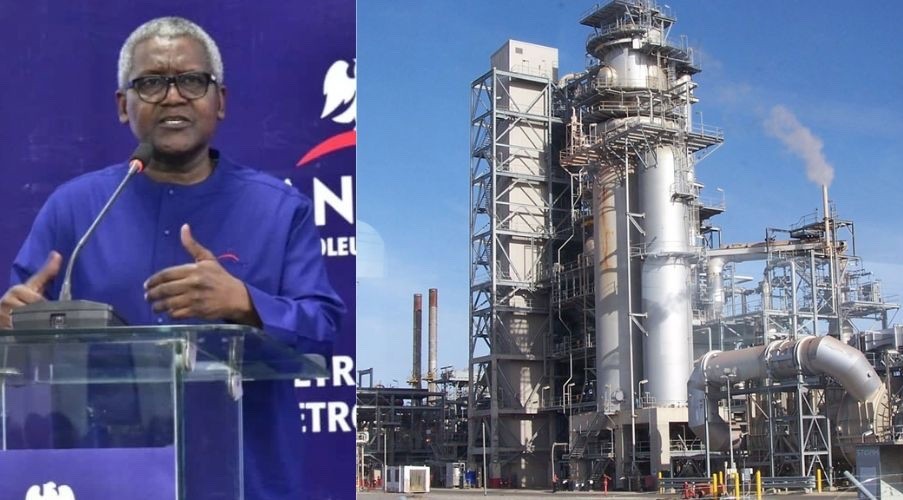
The export of jet fuel to Europe underscores the growing international footprint of the Lekki-based refinery, which only recently reached full operational capacity of 650,000 barrels per day, making it the largest single-train refinery in the world. Its ability to produce aviation fuel alongside diesel and petrol has positioned it as a strategic player in both regional and global markets.
This latest export move builds on earlier reports that the refinery had already begun shipping refined petroleum products across Africa, supplying countries such as Ghana, Cameroon, and Tanzania in response to heightened demand and supply gaps.
The broader backdrop to this development is a global energy market under strain. The Middle East conflict has disrupted supply chains, driven up crude and refined product prices, and intensified competition for available cargoes. In Europe, benchmark jet fuel prices have surged sharply, reflecting the tightening market and raising concerns over potential operational and cost pressures for airlines.
- Bournemouth Humiliate Manchester United 3-0 at Old Trafford as Carrick Faces Mounting Pressure
 Bournemouth delivered another painful blow to Manchester United on Sunday,…
- Tragedy in Kogi: Police Corporal Allegedly Kills Female Colleague, Takes Own Life After Reported Relationship Crisis
 A tragic shooting incident involving two serving police officers has…
Analysts note that the Dangote refinery’s entry into the UK aviation fuel market represents more than a commercial transaction—it signals a structural realignment in global energy flows. As traditional suppliers falter, new refining hubs like Nigeria are stepping in to fill the gap, effectively redrawing the map of fuel trade.
However, the refinery’s expanding export profile comes at a delicate time for Nigeria’s domestic market. Despite increased local production, the facility has faced persistent challenges in securing sufficient crude oil supply, often relying on more expensive imports to sustain operations. This has implications for pricing and availability at home, even as the refinery scales up its global reach.
With demand for aviation fuel rising worldwide and supply chains still under pressure, Dangote refinery’s growing role in international markets—now extending to Europe—marks a pivotal moment in Africa’s emergence as a key energy exporter.