






The National Economic Council (NEC) has resolved to formally engage the Presidential Fiscal Policy and Tax Reforms Committee over emerging issues linked to Nigeria’s newly enacted tax laws, signaling a coordinated effort to address concerns around interpretation, implementation, and impact across the federation.
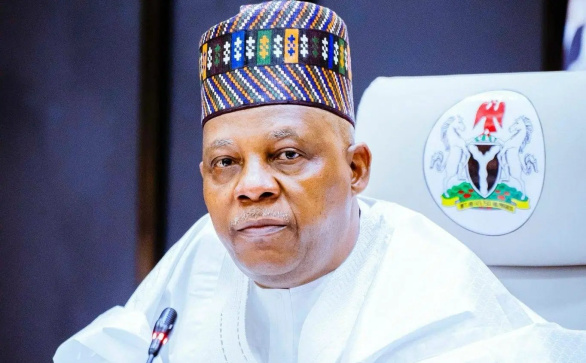
The resolution was reached during NEC’s first meeting of the year, chaired by Vice President Kashim Shettima and attended by state governors and key economic officials. The decision reflects growing feedback from states, businesses, and policy stakeholders following the commencement of the new tax regime on January 1, 2026.
At the meeting, the Presidential Fiscal Policy and Tax Reforms Committee, chaired by Taiwo Oyedele, briefed council members on the objectives and structure of the reforms. The committee reiterated that the new laws are designed to simplify Nigeria’s complex tax framework, reduce multiple taxation, improve compliance, and promote fairness across federal and subnational levels.
Despite these objectives, concerns have continued to surface regarding areas of ambiguity in the laws, especially around administration, revenue sharing, and the interaction between federal and state tax powers. NEC’s decision to interface directly with the committee is aimed at clarifying these grey areas and ensuring a smoother implementation process nationwide.
The council emphasized the need for clearer engagement with state governments, given their central role in tax collection and enforcement. Governors stressed that without proper alignment and guidance, the reforms could create operational challenges for State Internal Revenue Services and taxpayers, particularly small and medium-sized enterprises.
As part of the engagement framework, the tax reform committee is expected to provide more detailed technical briefings to NEC, ahead of subsequent meetings. This is intended to help states better understand the new tax structure and prepare for coordinated adoption, including possible adjustments to existing state tax laws.
- Nigeria’s First Ebola Patient Identified as Wife of Swiss Diplomat as Authorities Probe Source of Infection
 Nigeria’s latest Ebola case has been traced to a 42-year-old…
- MURIC Seeks Police Probe into Alleged Killing of Man Inside Oyo Mosque
 The Muslim Rights Concern (MURIC) has petitioned the police over…
Read More “MURIC Seeks Police Probe into Alleged Killing of Man Inside Oyo Mosque” »
NEC also highlighted the importance of tax harmonisation, urging states to consider aligning their tax policies with the national framework to avoid duplication and conflicting obligations for businesses and individuals. The council noted that a unified approach would strengthen revenue generation while improving the ease of doing business.
The new tax laws were signed into effect by President Bola Ahmed Tinubu in 2025 as part of a broader fiscal reform agenda. They include legislation aimed at overhauling tax administration, redefining revenue agencies, and streamlining collection processes across tiers of government.
While the federal government has described the reforms as a critical step toward economic stability and investment growth, professional firms and private-sector players have called for clearer guidelines to prevent misinterpretation and compliance risks. These concerns have fueled ongoing public discourse since the laws came into force.
With NEC’s planned engagement with the Presidential Fiscal Policy and Tax Reforms Committee, both federal and state authorities appear poised to adopt a consultative approach to resolving implementation challenges. Observers expect the dialogue to play a key role in shaping how effectively the new tax regime delivers on its promise of fairness, efficiency, and sustainable revenue growth.