


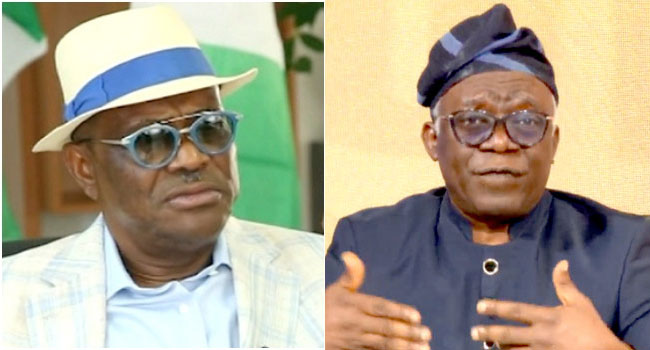
The Minister of the Federal Capital Territory (FCT), Nyesom Wike, has cautioned senior lawyer and activist Femi Falana against commenting on every national issue, following criticism surrounding the movement restriction imposed during the recent Area Council elections in the Federal Capital Territory. Wike stated that public commentary should be grounded in verified facts rather than assumptions.
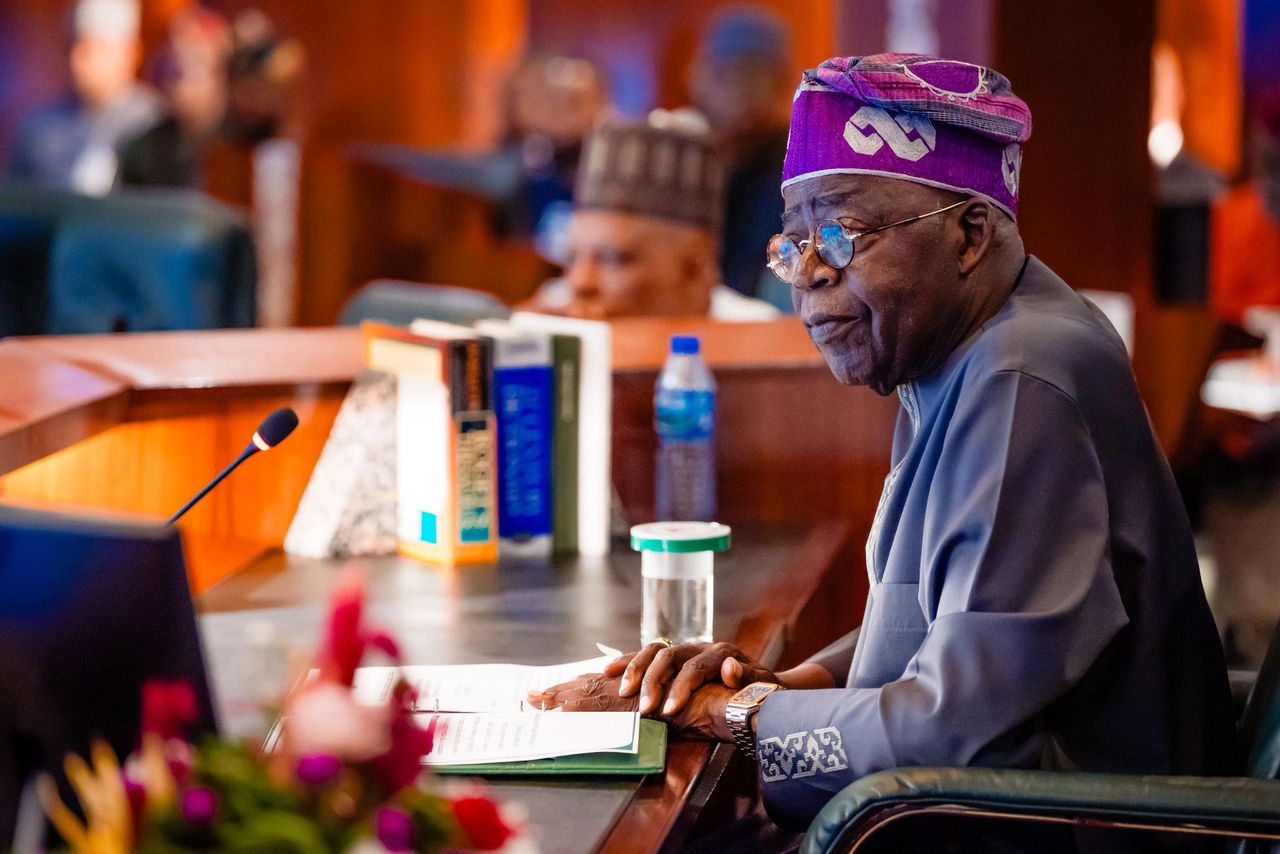
Speaking after a meeting with Bola Tinubu at the Presidential Villa in Abuja, the minister clarified that the restriction on movement was not a unilateral decision. According to him, the action was taken with presidential approval based on security intelligence indicating possible attempts to disrupt the elections by bringing in hoodlums.
The FCT administration had earlier announced a restriction of vehicular movement from 8 p.m. on Friday to 6 p.m. on Saturday ahead of the council polls. The measure, widely described as a curfew, was aimed at ensuring security and maintaining order during the election period across the six area councils.
Falana had faulted the declaration of a public holiday and the accompanying movement restriction, questioning the necessity and legality of the measure. He argued that such actions could interfere with citizens’ rights and democratic participation. His comments triggered a swift response from Wike, who insisted that critics must first understand the security context before making public statements.
Wike maintained that security reports available to the FCT administration pointed to credible threats that required preventive action. He emphasized that safeguarding lives and ensuring peaceful conduct of elections took priority, adding that the decision was made in consultation with relevant security agencies and endorsed by the President.
The minister further stressed that public officials have a duty to act decisively when faced with potential threats, noting that the restriction was temporary and limited strictly to the election window. He dismissed claims that the action was politically motivated or designed to suppress voter turnout.
- Tottenham Stun Chelsea at Stamford Bridge as Palmer Sees Red and Maddison Suffers Fresh Injury Blow
 Tottenham Hotspur delivered a statement victory over London rivals Chelsea…
- AFCOM-HS: New Military Medical College Listed on JAMB Portal for 2026/2027 Admission
 The Armed Forces College of Medicine and Health Sciences (AFCOM-HS),…
Read More “AFCOM-HS: New Military Medical College Listed on JAMB Portal for 2026/2027 Admission” »
The development also drew reactions from political stakeholders, including the African Democratic Congress, which alleged that the restriction created an atmosphere of intimidation. The party claimed that certain actions before and during the polls discouraged participation, though security agencies reported that the exercise remained largely peaceful.
Similarly, FCT Senator Ireti Kingibe criticised the measure, describing it as excessive in a democratic setting. She argued that such restrictions affect economic activities and limit residents’ freedom of movement, particularly in a cosmopolitan territory like Abuja.
Despite the controversy, election officials under the Independent National Electoral Commission proceeded with the polls across the six councils. Observers reported that while turnout appeared lower in some areas, the process was generally orderly, with security presence visible at polling units.
As debate continues over the appropriateness of the movement restriction, Wike has maintained that the decision was guided strictly by security considerations. He reiterated that safeguarding the integrity of the electoral process remains paramount and urged public commentators to verify facts before weighing in on sensitive national matters.