




Three U.S. service members were killed in Jordan on Sunday and 25 others were injured in what the Biden administration said was a drone strike from an Iran-backed militia, the first American military fatalities from hostile fire in the turmoil spilling over from Israel’s war with Hamas in Gaza.
The attack happened at a small outpost in northeast Jordan called Tower 22 near the Syria border where the troops were based.
Other details were not immediately available from the Pentagon’s Central Command, which issued an initial bare-bones statement on Sunday.
But the deaths of U.S. service members will almost certainly put more pressure on President Biden to respond more forcefully as strife grows in the Middle East after the Oct. 7 attacks that killed 1,200 people in Israel.
- Three Commercial Vessels Hit by Unknown Projectiles in Strait of Hormuz as Shipping Risks Escalate
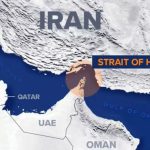 Three commercial vessels, including a crude oil tanker and a…
- Iran unveils 7-day roadmap to reopen Strait of Hormuz amid renewed US diplomatic pushIran has proposed a seven-day roadmap aimed at ending hostilities…
Read More “Iran unveils 7-day roadmap to reopen Strait of Hormuz amid renewed US diplomatic push” »
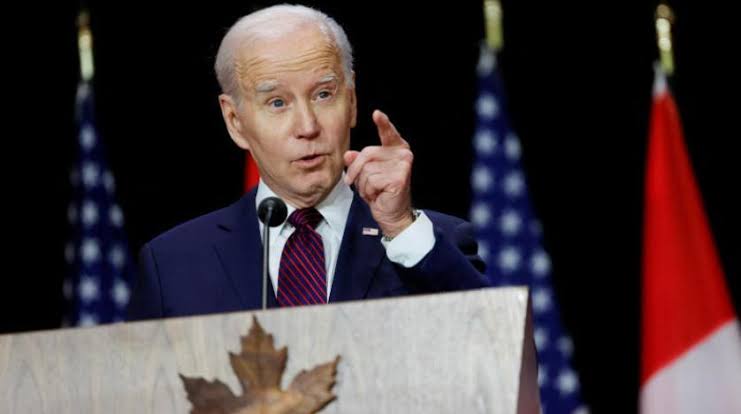
“Three U.S. service members were killed — and many wounded — during an unmanned aerial drone attack on our forces stationed in northeast Jordan near the Syria border,” Mr. Biden said in a statement on Sunday. “While we are still gathering the facts of this attack, we know it was carried out by radical Iran-backed militant groups operating in Syria and Iraq.”
In a statement, the Iranian-backed militias who call themselves the Axis of Resistance claimed responsibility for the attack on the base in a remote desert area of Jordan, saying it was a “continuation of our approach to resisting the American occupation forces in Iraq and the region.”
The drone strike came as Israel and Hezbollah, another Iranian ally, have traded fire across the Lebanese border. A Houthi militia in Yemen, also backed by Iran, has fired missiles and drones at commercial ships in the Red Sea and the Gulf of Aden, calling it a retaliation for the Israeli bombardment of Gaza. The United States and its allies have fired back, striking inside Yemen multiple times.
And Jan. 20, at least four U.S. service members stationed in western Iraq were injured when their air base came under heavy rocket and missile fire from what American officials said were Iran-backed militias. It was the latest in more than 150 strikes by Iran-backed militias in Syria and Iraq against U.S. troops there since the Oct. 7 attacks.

The United States has some 2,000 troops stationed at an air base in Azraq, Jordan, as well as Special Operations forces, military trainers and personnel at Tower 22 who provide support for the U.S. garrison at Al Tanf, Syria, just across the border. The American troops are there largely to assist in regional efforts to stamp out remnants of the Islamic State.
In his statement, Mr. Biden called the U.S. troops in Jordan “patriots in the highest sense,” and said they were “risking their own safety for the safety of their fellow Americans, and our allies and partners with whom we stand in the fight against terrorism. It is a fight we will not cease.”
Last Sunday, the Pentagon declared two members of the Navy SEALs dead after they disappeared 10 days earlier during an operation at sea to intercept weapons from Iran headed to Houthi fighters.
They were the first known U.S. fatalities in Washington’s campaign against the Houthis, who have launched dozens of attacks on ships in the Red Sea since November, roiling the global shipping industry.
The Americans killed on Sunday were the first known fatalities from hostile fire in Yemen, Iraq or the surrounding areas and waters.
It was unclear on Sunday why air defenses failed to intercept the drone, which current and former military commanders said appeared to be the first known assault on Tower 22 since attacks on U.S.-led forces began soon after Oct. 7.

The U.S. troops at the Tower 22 outpost advise and assist Jordanian troops, and provide support for the Al Tanf garrison just across the border in southeastern Syria.
In 2016, the American military turned Al Tanf into a small base. It is on the strategic Baghdad-Damascus highway — a vital link for forces backed by Syria’s ally Iran in a corridor that runs from the Iranian capital, Tehran, through Iraq and Syria to southern Lebanon.
The Rukban refugee camp, with some 8,000 residents, is near both Al Tanf and Tower 22.
Troops at Al Tanf have come under fire before from Iran-backed militias. The Defense Department said last fall that 21 troops had suffered minor injuries but returned to duty after the attacks on Oct. 17 and 18 at Al Asad Air Base in western Iraq and the Al Tanf garrison.