




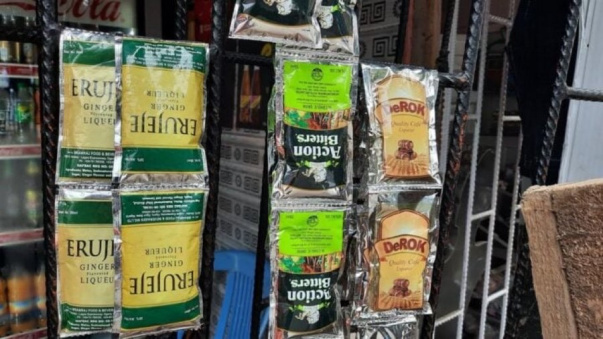
The National Agency for Food and Drug Administration and Control (NAFDAC) has commenced full-scale nationwide enforcement of the long-announced ban on the production, distribution and sale of alcoholic beverages packaged in sachets and small containers below 200 millilitres, marking a decisive shift from policy declaration to on-ground action.
The enforcement exercise, which took effect across all states of the federation, follows years of regulatory warnings, stakeholder engagements and repeated extensions granted to manufacturers and distributors to wind down operations involving sachet alcohol and other small-sized high-alcohol products.
NAFDAC said the crackdown is driven by growing public health concerns, particularly the widespread abuse of cheap, highly potent alcohol products that are easily accessible to minors and vulnerable groups due to their low cost, concealability and street-level availability.
Speaking on the development, the agency’s Director-General, Professor Mojisola Adeyeye, reiterated that NAFDAC is not opposed to responsible alcohol consumption by adults, but is determined to curb the social and health risks posed by alcohol products packaged in small volumes that often contain extremely high alcohol percentages.
According to the agency, some of the affected sachet alcohol products were found to contain alcohol concentrations ranging from about 50 per cent to as high as 90 per cent, levels experts have linked to increased risks of addiction, organ damage, accidents and anti-social behaviour.
The ban, which also covers alcoholic drinks sold in small PET bottles under 200 millilitres, is being enforced through coordinated inspections, seizures and compliance checks nationwide, with NAFDAC warning that manufacturers, distributors and retailers who flout the directive risk stiff sanctions.
- Nigeria’s First Ebola Patient Identified as Wife of Swiss Diplomat as Authorities Probe Source of Infection
 Nigeria’s latest Ebola case has been traced to a 42-year-old…
- MURIC Seeks Police Probe into Alleged Killing of Man Inside Oyo Mosque
 The Muslim Rights Concern (MURIC) has petitioned the police over…
Read More “MURIC Seeks Police Probe into Alleged Killing of Man Inside Oyo Mosque” »
The move comes after a directive by the National Assembly, particularly the Senate, which urged NAFDAC to fully implement the ban as part of broader efforts to address substance abuse, protect young people and align Nigeria’s alcohol control framework with global best practices.
While public health advocates and civil society groups have welcomed the enforcement as long overdue, some industry stakeholders have expressed concerns over potential job losses and economic impact, arguing that sachet alcohol plays a role in informal retail markets.
NAFDAC, however, maintains that the phased timeline provided over the years was designed to allow manufacturers retool their operations, explore alternative packaging options and minimise economic disruption before the final enforcement stage.
As the nationwide clampdown gathers momentum, Nigerians are being urged to support the initiative, with authorities insisting that the ultimate goal is to reduce alcohol-related harm, safeguard public health and promote a more responsible drinking culture across the country.