


The Nigerian naira has depreciated to approximately ₦1,415 per dollar at the parallel market, reflecting renewed pressure on the country’s foreign exchange environment amid persistent dollar scarcity and fluctuating liquidity conditions.
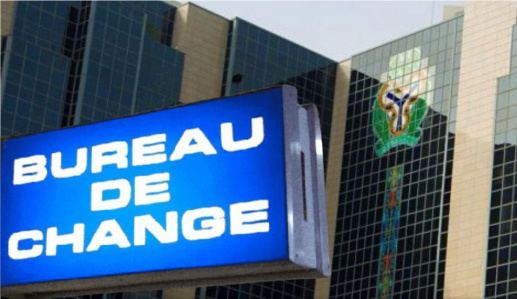
Market data from key trading hubs, including Lagos and Abuja, show that the local currency weakened against the U.S. dollar during recent trading sessions, with Bureau de Change operators quoting rates between ₦1,415 and ₦1,425 per dollar. This marks a decline from earlier levels around ₦1,400, underscoring a short-term reversal in the naira’s recent stability trend.
Analysts attribute the depreciation largely to increased demand for foreign currency and limited supply, particularly in the informal segment of the market. The absence or reduction of direct foreign exchange interventions by the Central Bank of Nigeria (CBN) to eligible institutions has further tightened liquidity, exacerbating pressure on the naira.
At the official Nigerian Foreign Exchange Market (NFEM), the naira has also shown signs of weakness, trading in the range of ₦1,380–₦1,395 per dollar in recent sessions. This convergence between official and parallel market rates—now narrowing to a spread of roughly ₦25–₦30—reflects ongoing reforms aimed at unifying Nigeria’s exchange rate system, though largely driven by depreciation at the official window rather than sustained strength in the currency.
The current volatility comes amid broader macroeconomic adjustments, including policy shifts designed to improve foreign exchange inflows and boost investor confidence. Recent moves by the apex bank, such as easing restrictions on access to export proceeds for oil companies, are part of efforts to increase dollar liquidity in the system and stabilize the naira over the medium term.
- Tottenham Stun Chelsea at Stamford Bridge as Palmer Sees Red and Maddison Suffers Fresh Injury Blow
 Tottenham Hotspur delivered a statement victory over London rivals Chelsea…
- AFCOM-HS: New Military Medical College Listed on JAMB Portal for 2026/2027 Admission
 The Armed Forces College of Medicine and Health Sciences (AFCOM-HS),…
Read More “AFCOM-HS: New Military Medical College Listed on JAMB Portal for 2026/2027 Admission” »
Despite these reforms, short-term pressures persist, driven by factors such as end-of-quarter corporate dollar demand, speculative activity, and structural imbalances in Nigeria’s FX supply chain. Analysts warn that without sustained inflows and consistent policy implementation, the naira may continue to experience episodic depreciation in both official and parallel markets.
The naira, Nigeria’s official currency regulated by the Central Bank of Nigeria, remains highly sensitive to external shocks and domestic liquidity conditions, with exchange rate dynamics continuing to serve as a key barometer of the country’s economic stability.