








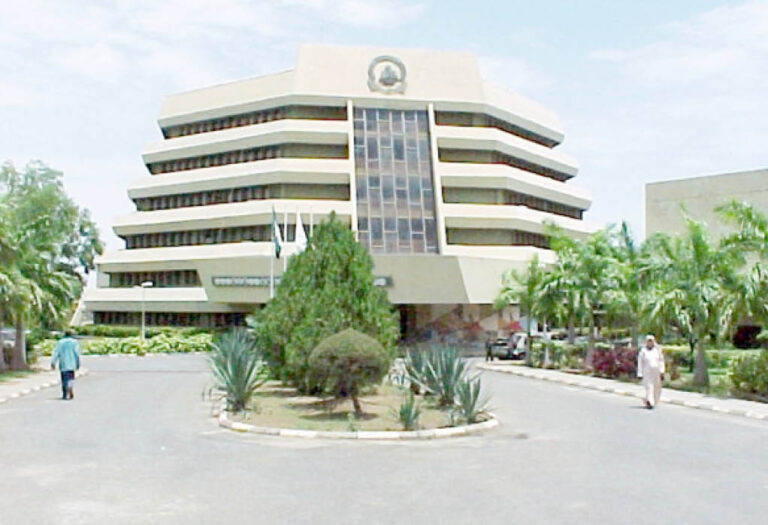
The National Universities Commission (NUC) has approved 13 new degree programmes for Nigerian universities as part of efforts to modernise higher education, strengthen academic relevance, and align the country’s learning system with global standards. The new programmes, according to a circular issued to vice-chancellors across the country, will be incorporated into the Core Curriculum and Minimum Academic Standards (CCMAS) beginning from the 2025/2026 academic session. The Commission noted that the move forms part of its strategic reforms aimed at producing graduates equipped with relevant skills to thrive in the fast-evolving global economy.
In the circular dated October 22, 2025, the NUC explained that experts drawn from the Nigerian university system had earlier developed 70 percent of the national curriculum content for the programmes, while each university is expected to design the remaining 30 percent based on its unique strengths and context. This arrangement, the Commission said, allows for both national uniformity and institutional innovation, ensuring that Nigerian universities maintain a balance between core standards and local realities. The NUC added that universities wishing to offer any of the approved programmes must undergo a successful resource verification exercise before they can commence admission.
The newly approved degree programmes include B.Sc. Artificial Intelligence, B.Sc. Intelligence and Security Studies, B.Eng. Nuclear Engineering, B.Sc. Water, Sanitation and Hygiene, B.Eng. Geomatics Engineering, B.Sc. Telecommunication Science, B.Sc. Islamic Economics and Finance, B.Sc. Parasitology and Entomology, B.Ed. Classical Christian Education, B.Ed. Human Kinetics (Sports Management), B.Sc. Community Health Sciences, B.Sc. Cooperative Economics and Management, and B.Sc. Nuclear Science. The Commission said the selection of these programmes was carefully informed by current global developments and the future direction of work, technology, and sustainable development.
According to the NUC, the approval of these programmes marks a decisive step towards ensuring that Nigerian universities do not lag behind in emerging disciplines shaping the 21st-century economy. It emphasised that fields such as Artificial Intelligence, Nuclear Engineering, and Intelligence Studies have become crucial to national development, security, and industrial advancement. The Commission further noted that incorporating these courses into university offerings will help bridge skill gaps and prepare young Nigerians for opportunities in high-demand sectors.
- Tragedy in Kogi: Police Corporal Allegedly Kills Female Colleague, Takes Own Life After Reported Relationship Crisis
 A tragic shooting incident involving two serving police officers has…
- Tottenham Stun Chelsea at Stamford Bridge as Palmer Sees Red and Maddison Suffers Fresh Injury Blow
 Tottenham Hotspur delivered a statement victory over London rivals Chelsea…
The new academic structure also aims to improve the employability of graduates by embedding skill-based and practical components into the curriculum. The NUC explained that under the revised CCMAS framework, universities must integrate real-world training, research, and innovation partnerships with industries to ensure that students gain both theoretical and hands-on knowledge. The Commission reiterated its commitment to enforcing strict quality assurance measures to maintain high academic standards in all institutions offering the new programmes.
Stakeholders in the education sector have hailed the development as a timely and visionary step, noting that the new programmes will reposition Nigerian universities as centres of innovation. Experts believe that the inclusion of Artificial Intelligence, Water and Sanitation, and Nuclear Engineering reflects an understanding of the critical challenges facing the nation, especially in areas such as technology, public health, and energy. They also noted that courses like Islamic Economics and Classical Christian Education would deepen cultural scholarship while promoting diversity in academic offerings.
However, the NUC acknowledged that successful implementation will depend on the readiness of universities to meet resource requirements, including adequate facilities, qualified personnel, and funding. It urged institutions to begin preparations immediately to ensure smooth takeoff by the next academic year. The Commission also appealed to state governments, private investors, and development partners to support universities in acquiring the needed infrastructure and technical expertise to sustain the quality of the new programmes.
Beyond curriculum expansion, the NUC’s approval underscores its broader reform agenda to make Nigerian higher education globally competitive. Over the past few years, the Commission has introduced several measures to promote institutional autonomy, digital learning, and innovative teaching methods. The approval of the new programmes, observers say, complements these efforts and signals Nigeria’s determination to strengthen its human capital base.
For students and parents, the development opens new pathways for career advancement and global relevance. Many aspiring undergraduates have expressed excitement about studying new-age courses such as Artificial Intelligence, Intelligence and Security Studies, and Telecommunication Science within Nigerian universities instead of seeking opportunities abroad. Education analysts have also projected that the initiative could help reduce academic migration and encourage talent retention within the country.
In essence, the NUC’s decision to approve 13 new degree programmes represents a bold stride towards reimagining Nigerian higher education. It reflects a forward-looking vision to prepare graduates for the realities of a digital, knowledge-driven economy while addressing national needs in science, security, and social development. As the 2025/2026 academic session approaches, universities, regulators, and stakeholders are expected to work collaboratively to ensure the seamless rollout of these programmes and the sustained relevance of Nigeria’s university system in the global academic landscape.


