






Global oil markets reacted positively on Monday following the announcement of a peace agreement between the United States and Iran, effectively bringing an end to months of conflict that had disrupted international energy supplies and rattled financial markets.
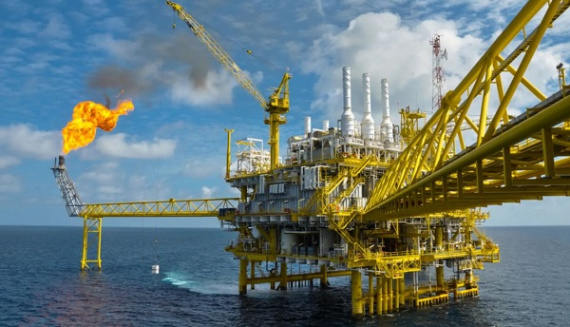
The breakthrough deal, which includes a ceasefire and plans to reopen the strategic Strait of Hormuz, has already triggered a sharp decline in global crude oil prices. Brent crude, the international benchmark, fell by more than 4 percent as traders responded to expectations of improved oil supply and reduced geopolitical tensions in the Middle East.
The Strait of Hormuz is one of the world’s most important oil transit routes, handling roughly one-fifth of global oil shipments. During the conflict, restrictions on the waterway contributed to supply concerns and pushed energy prices higher across several regions.
Under the emerging peace framework, both Washington and Tehran have agreed to halt hostilities while broader negotiations continue on issues including Iran’s nuclear programme, sanctions relief, and regional security arrangements. The agreement is expected to be formally signed later this week.
What It Means for Nigeria
For Nigeria, the decline in crude oil prices could eventually translate into lower petrol prices if the downward trend in the global market is sustained. Industry analysts note, however, that domestic fuel prices are influenced by several factors beyond crude oil prices, including exchange rates, import costs, logistics expenses, taxes, and the pricing decisions of local refiners and marketers.
While the international oil market has reacted immediately to the peace deal, consumers may not see an instant reduction at filling stations. Fuel pricing adjustments often lag behind movements in global crude prices as operators assess market stability and existing supply contracts.
Nevertheless, the easing of tensions between the United States and Iran is being welcomed by energy markets worldwide, with investors hoping that a return to stability in the Gulf region will help keep oil prices lower in the coming weeks and months.
As Nigerians continue to grapple with high transportation and energy costs, many will be watching closely to see whether the global oil price decline eventually leads to meaningful relief at the pump.
- Bournemouth Humiliate Manchester United 3-0 at Old Trafford as Carrick Faces Mounting Pressure
 Bournemouth delivered another painful blow to Manchester United on Sunday,…
- Tragedy in Kogi: Police Corporal Allegedly Kills Female Colleague, Takes Own Life After Reported Relationship Crisis
 A tragic shooting incident involving two serving police officers has…