





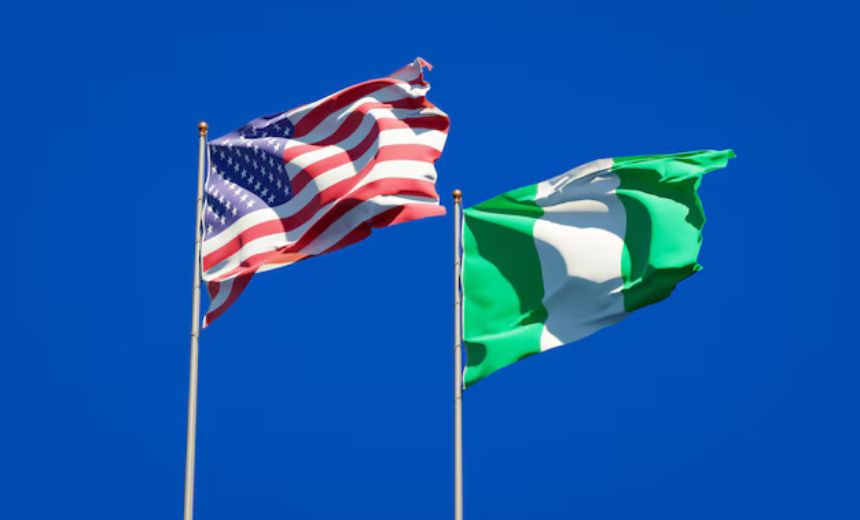
In a major stride toward strengthening Nigeria’s fight against terrorism and violent extremism, the United States and Nigeria have concluded a new security cooperation agreement that places heavy emphasis on enhanced intelligence sharing, streamlined military logistics, and expanded humanitarian assistance. The development marks one of the most significant security alignments between both nations in recent years, coming at a time when Nigeria faces intensifying threats across multiple regions.
According to official briefings following high-level meetings in Washington D.C., the United States has committed to deepening real-time intelligence collaboration with Nigeria. This includes bolstering early-warning systems, improving threat detection mechanisms, and supporting operational planning against terror groups and armed criminal networks in the North-East, North-West, and Middle Belt.

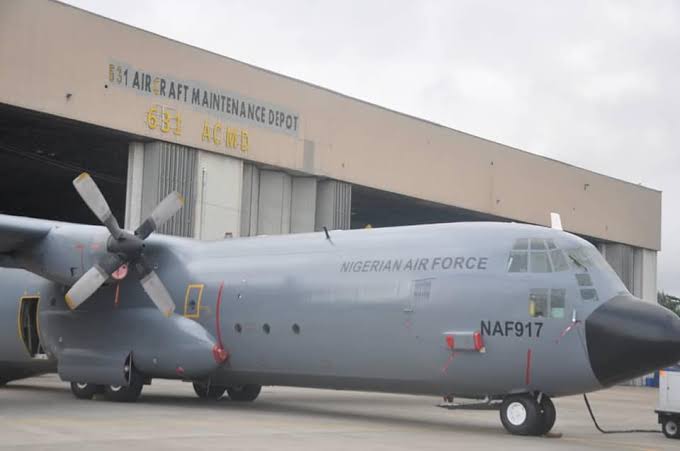
A key part of the agreement is the acceleration of military logistics and equipment support. Washington has agreed to fast-track requests for defense hardware and technical gear needed to enhance Nigeria’s counterterrorism operations. U.S. officials also indicated the possibility of providing excess defense articles where available, with a new framework created to minimize bureaucratic delays and improve delivery timelines.
To ensure seamless implementation, the deal establishes a Joint Security Working Group that will begin operations immediately. This body will coordinate intelligence exchange, assess equipment needs, conduct regular strategic reviews, and streamline cooperation between both governments’ defense and national security institutions.
- Bournemouth Humiliate Manchester United 3-0 at Old Trafford as Carrick Faces Mounting Pressure
 Bournemouth delivered another painful blow to Manchester United on Sunday,…
- Tragedy in Kogi: Police Corporal Allegedly Kills Female Colleague, Takes Own Life After Reported Relationship Crisis
 A tragic shooting incident involving two serving police officers has…
Beyond military measures, the agreement includes a robust humanitarian component aimed at communities most affected by insecurity. This involves targeted assistance to displaced populations, improved access to relief services, and joint programs that address the underlying drivers of violence, particularly in vulnerable regions of the Middle Belt.
U.S. authorities also pledged increased technical support to strengthen Nigeria’s early-warning and rapid-response architecture. This is expected to help national and local agencies detect emerging threats faster and mitigate attacks before they escalate. Past humanitarian investments by the U.S. military including mobile hospitals and community water projects, were highlighted as evidence of long-term commitment.
During the briefing, the Nigerian delegation reaffirmed its dedication to protecting civilian lives during counterterrorism operations, stressing that Nigeria rejects portrayals of the conflict as religious or ethnic genocide. Officials maintained that violence in various regions stems from criminality and extremism, not government-sponsored persecution, and welcomed the partnership as a means to address these crises more effectively.
For both countries, the agreement signals a renewed strategic partnership rooted not only in military cooperation but also in shared interests in regional stability, economic security, and protection of democratic institutions. Analysts believe the deal could reshape Nigeria’s long-term security framework if faithfully implemented and backed with measurable accountability.
Despite the optimism, challenges remain. Nigeria must ensure transparent application of intelligence and equipment received, while the U.S. will face scrutiny over the availability of promised defense items. Civil society groups are also expected to monitor the humanitarian and human-rights aspects of the collaboration, especially in conflict-prone regions.
With the Joint Working Group set to commence work, expectations are high that this cooperation will contribute to Nigeria’s renewed efforts to dismantle terror networks, curb banditry, and stabilize communities affected by years of insecurity. Both governments have described the agreement as a turning point, one that blends security, humanitarian relief, and strategic diplomacy into a unified front against violence in Nigeria.