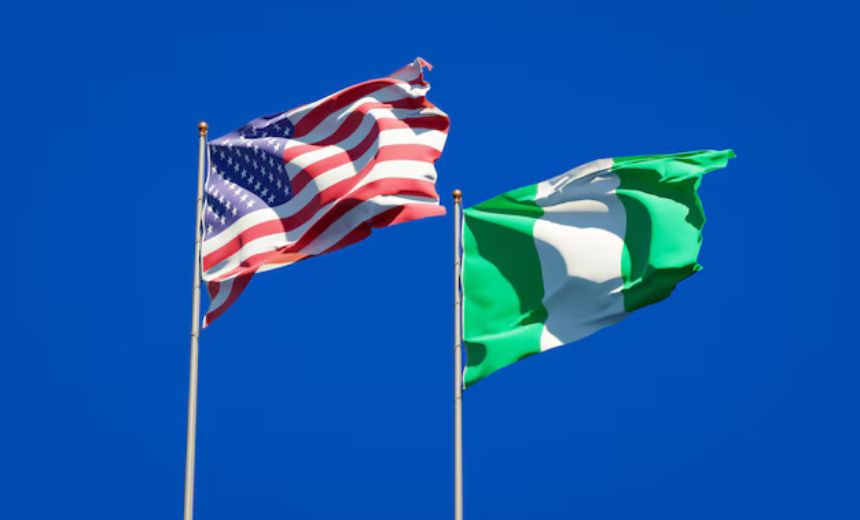




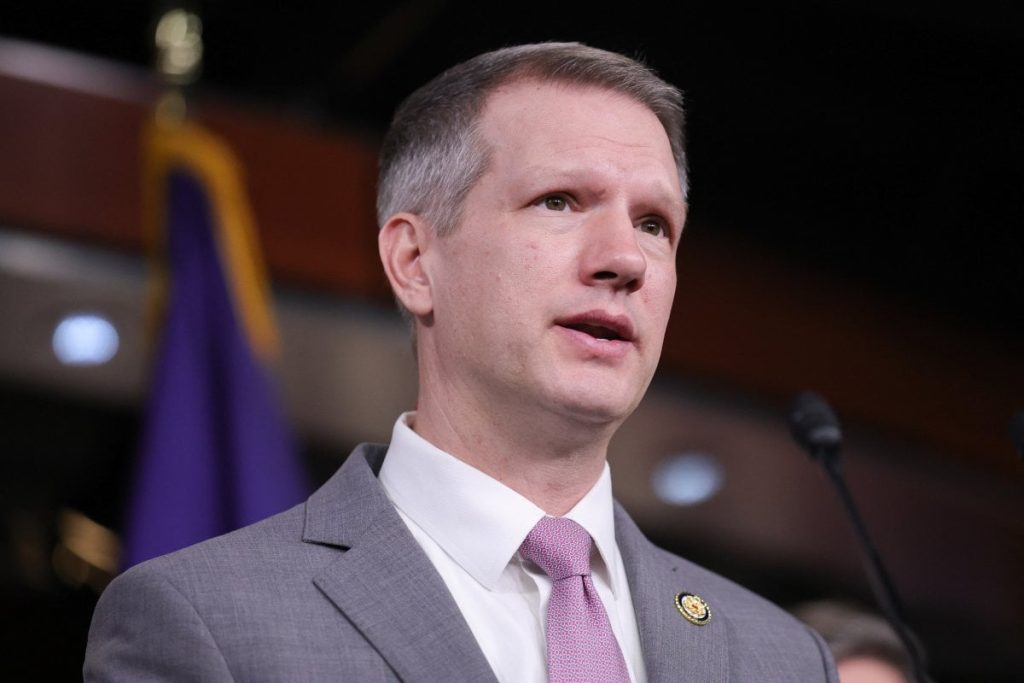
A member of the United States House of Representatives, Riley M. Moore, has called for sweeping measures against Nigeria over what he described as persistent violence targeting Christian communities. Moore is urging the United States government to impose sanctions, apply visa restrictions, and push for the repeal of blasphemy and Sharia-based criminal laws operating in parts of northern Nigeria.
Moore presented the position after months of congressional review and consultations focused on religious freedom concerns in Nigeria. The findings were formally submitted at the White House following engagements with lawmakers and policy officials.
The development follows Nigeria’s reinstatement on the Country of Particular Concern list under the International Religious Freedom Act by former U.S. President Donald Trump in October 2025. The designation is reserved for countries where the U.S. government believes there are severe violations of religious freedom.
According to Moore, the congressional review included meetings with religious leaders, security experts, and displaced persons affected by violent attacks. Part of the delegation’s visit involved trips to internally displaced persons camps in Benue State, one of the regions frequently cited in reports of communal and insurgent violence.
The report recommends targeted sanctions against individuals and entities allegedly linked to religious persecution or extremist violence. It also proposes visa bans and possible financial restrictions on those found complicit in attacks against Christian communities.
In addition, the document calls for the repeal of blasphemy statutes and Sharia-based criminal codes in states where they are enforced. Moore argued that such laws, particularly when applied in criminal proceedings, can intensify religious tensions and contribute to discrimination.
- Tragedy in Kogi: Police Corporal Allegedly Kills Female Colleague, Takes Own Life After Reported Relationship Crisis
 A tragic shooting incident involving two serving police officers has…
- Tottenham Stun Chelsea at Stamford Bridge as Palmer Sees Red and Maddison Suffers Fresh Injury Blow
 Tottenham Hotspur delivered a statement victory over London rivals Chelsea…
The report further suggests conditioning certain categories of U.S. assistance to Nigeria on measurable improvements in protecting vulnerable communities. Lawmakers behind the proposal believe that leveraging foreign aid could encourage stronger accountability mechanisms within Nigeria’s security and justice sectors.
Another key recommendation includes establishing a structured bilateral security framework between the United States and Nigeria. Such an arrangement, according to Moore, would focus on intelligence sharing, counter-terrorism coordination, and protection of religious minorities.
The congressional findings also encourage deeper collaboration with international allies to address insecurity in Nigeria and the broader West African region. Strengthening partnerships, the report notes, could improve regional responses to armed groups operating across porous borders.
While Moore maintains that the proposals are aimed at defending religious freedom and human rights, Nigerian authorities have yet to issue a comprehensive official response to the specific recommendations. Analysts suggest that any move toward sanctions or funding restrictions could influence diplomatic, security, and trade relations between both countries.
The issue of Sharia and blasphemy laws remains sensitive within Nigeria’s constitutional framework, particularly in northern states where such systems operate alongside civil law. Debates around their reform or repeal have historically generated strong domestic reactions.
As discussions continue in Washington, the next steps may involve legislative proposals or hearings within Congress. Whether the recommendations translate into binding U.S. policy will depend on executive action and broader diplomatic engagement between the two nations.